

13 apr. The Disappearance of a Small World. How Local Press and Meaningful Images are Dying
It’s not an illusion. Local press is actually disappearing.
Over the past 15–20 years, thousands of local newspapers have disappeared all over the world.
In the United States alone, more than 2,000 local publications have shut down. In many communities, there is no longer a local newspaper. No newsroom. No one documenting what happens there.
Along with them, photographers have disappeared too.
There are no longer people sent into the field for small stories. There is no longer a budget to document everyday life.
Photojournalism has, for the most part, become either global or nonexistent.
One photographer put it simply: “Photojournalism is in decline… for years.”
Another went even further: “Editorial photography barely exists today.”
This is not an exaggeration. It is the reality of the industry.
The problem is not just that local press is dying.
The problem is that, along with it, the visual memory of communities is disappearing.
There used to be local newspapers, archives, photographers documenting small towns, minor events, ordinary people.
Today, in many places, there is nothing left. No images. No archives. No continuity.
Only major events remain. Events that constantly bypass these forgotten areas.
We look back and yes, not every village had a newspaper.
But almost every community had, in one form or another, a trace.
A local column. A page in a regional paper. A photograph from the opening of a school. An article about a good harvest. A picture from a teacher’s retirement or a local event.
Small things. But constant.
Over time, they accumulated into something far more important than news:
they formed a memory, they formed that community.
You could go back years later and see what the place looked like. Who lived there. What mattered to those people.
They were not spectacular images. But they were real images.
Today, many communities no longer exist visually. In many places, there is nothing.
There is no one documenting everyday life. No continuity. No archive growing over time.
There are only gaps.
You can look at any corner of the world in real time, but you cannot see what is happening in a village in your own country.
Maybe even the place your grandparents came from. You don’t know what it looks like today.
You don’t know who still lives there. You don’t know what has changed.
Because no one documents it anymore.
Today, many places only become visible in two situations: when a tragedy happens or when they become relevant to a larger story.
Otherwise, they don’t exist.
A village does not appear anywhere until there is a fire, an accident, or a “major” story.
At that moment, it becomes visible for a few hours. Then it disappears again. As if it never existed.
We live in a world where we see everything.
We know in real time what is happening thousands of kilometers away. We see wars, disasters, protests, collective tragedies.
But we no longer see what is happening near us.
Not because it doesn’t exist.
But because it is not big enough.
A car accident with a single victim does not leave the town. A bad road is not news. A deteriorating school does not generate attention.
But if dozens of people die in an event, it instantly becomes global. Not because the tragedy is different.
But because scale makes it visible.
Attention has become the criterion by which we decide what exists.
You watch breaking news and see a landslide happening thousands of kilometers away.
Dramatic images, numbers, reactions, all delivered instantly.
But you don’t see what is happening in your own country, in your own town, in your own village.
You don’t see that the local shop has closed. You don’t see that young people have left, one by one. You don’t see that the school has been reduced to two classes and an exhausted teacher.
Because these things are not breaking news.
They don’t explode. They don’t have a clear moment when they become “important.” They happen slowly, every day, until they become normal.
And then they disappear completely.
Local press no longer exists or barely survives.
Photographers are no longer sent into the field for small stories.
Instead, we have global agencies, high-impact images, content that needs to perform immediately.
And, perhaps most importantly, people no longer care.
Because we have become used to watching only the peaks.
The big tragedies. The explosions. The events that break the rhythm.
While real life – the kind that slowly degrades – remains outside the frame.
We like to believe we are more informed, but in reality we are only exposed to more noise.
And in that noise, the things that directly affect us become invisible.
We no longer see our community. We no longer understand it. And slowly, we stop caring.
Because we no longer see it.
We live in a world where, theoretically, we have access to everything.
One click and millions of results appear. Data, articles, statistics, maps, everything instantly available.
And yet, we do not know the things that matter most.
I cannot say exactly what happened to my great-grandparents’ village. I don’t know what it looks like today. I don’t know if anyone still lives there or if it slowly emptied out.
I don’t know how many blacksmiths are left. I don’t know how many silversmiths are left. I don’t know how many trades have disappeared without being documented. I don’t know how many train lines still exist just for a few children who travel dozens of kilometers every day to get to school.
I don’t know because no one tells these stories anymore.
Not because the information doesn’t exist. But because it is not collected, not followed, and not considered important.
We are more connected than ever. But this connection is superficial.
We know things about the world, but we don’t know things about the places we come from.
We can see in real time what is happening anywhere, but we cannot reconstruct the story of a nearby community.
Because that story was never told.
It was never photographed. It was never archived. It was never followed over time.
And so it disappears.
Not because it didn’t exist. But because it was not documented.
When people talk about Romania, they always say the same thing: people left.
Villages emptied because people went to work abroad. A simple explanation, repeated until it becomes enough.
But almost no one documented what was left behind.
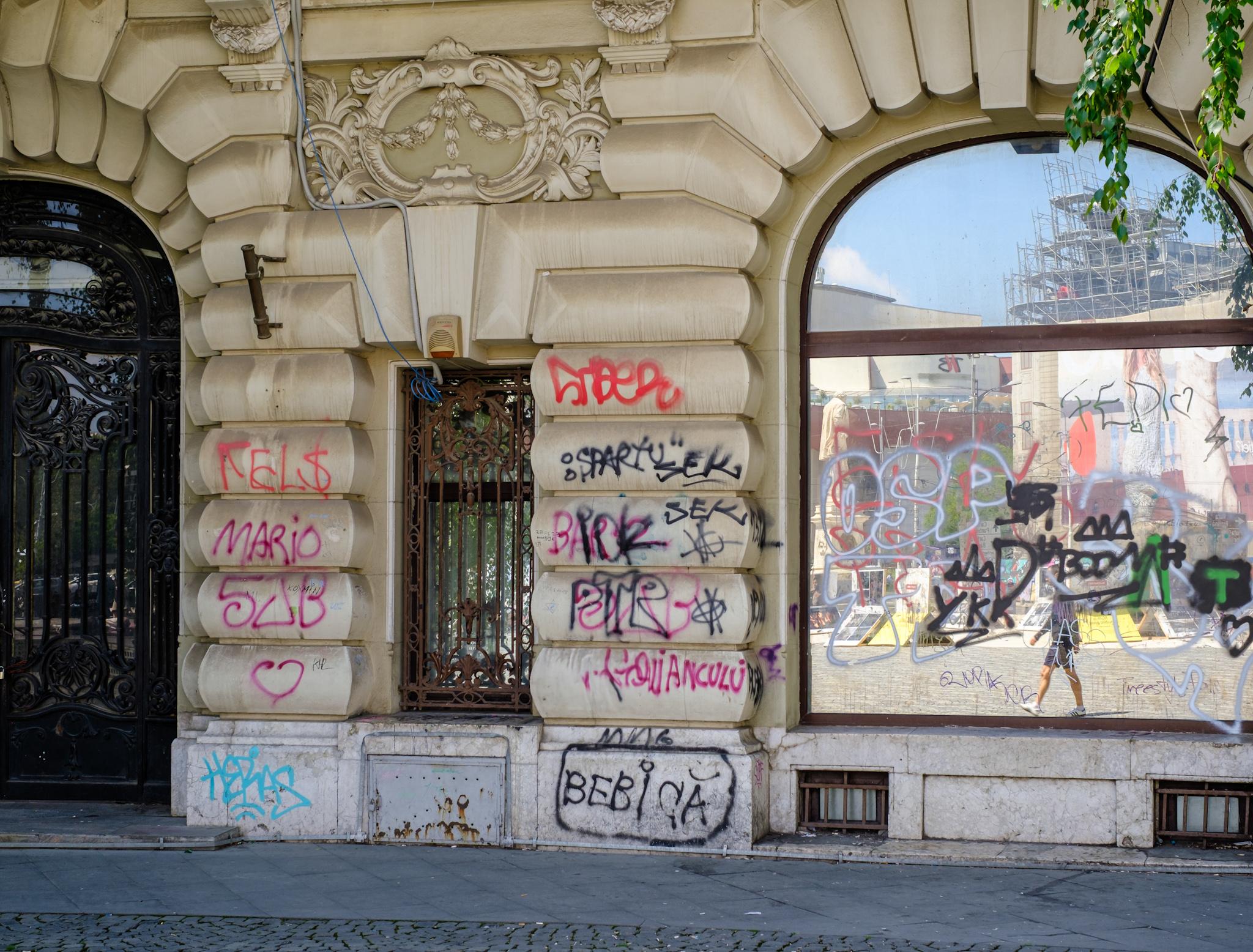
We don’t know how children disappeared from these communities. We don’t know what schools looked like in their final years before they emptied out. We don’t know how shops closed, one by one. We don’t know who stayed and how they survived.
Because these things were never considered news.
The exodus was not an event. It was a process.
If a tragedy happens in a single day, with dozens or hundreds of victims, it becomes instantly visible.
That is normal. That matters.
But there are other types of tragedies.
Those that don’t happen in a single day. Those that don’t have a clear moment. Those that cannot be captured in breaking news.
The exodus of millions of people was not an event.
It was a slow process, unfolding over years and decades.
A village does not empty overnight. It empties slowly.
A child does not disappear from statistics in a day. They disappear when their parents leave, when the school closes, when there is no reason left to stay.
If we added up all these departures, all these closures, all these communities that slowly faded away, we would be talking about millions.
But we don’t see it as a tragedy.
Because it didn’t happen at once. Because it had no spectacular images. Because it didn’t generate instant reaction.
It was quiet. And because it was quiet, it was ignored.
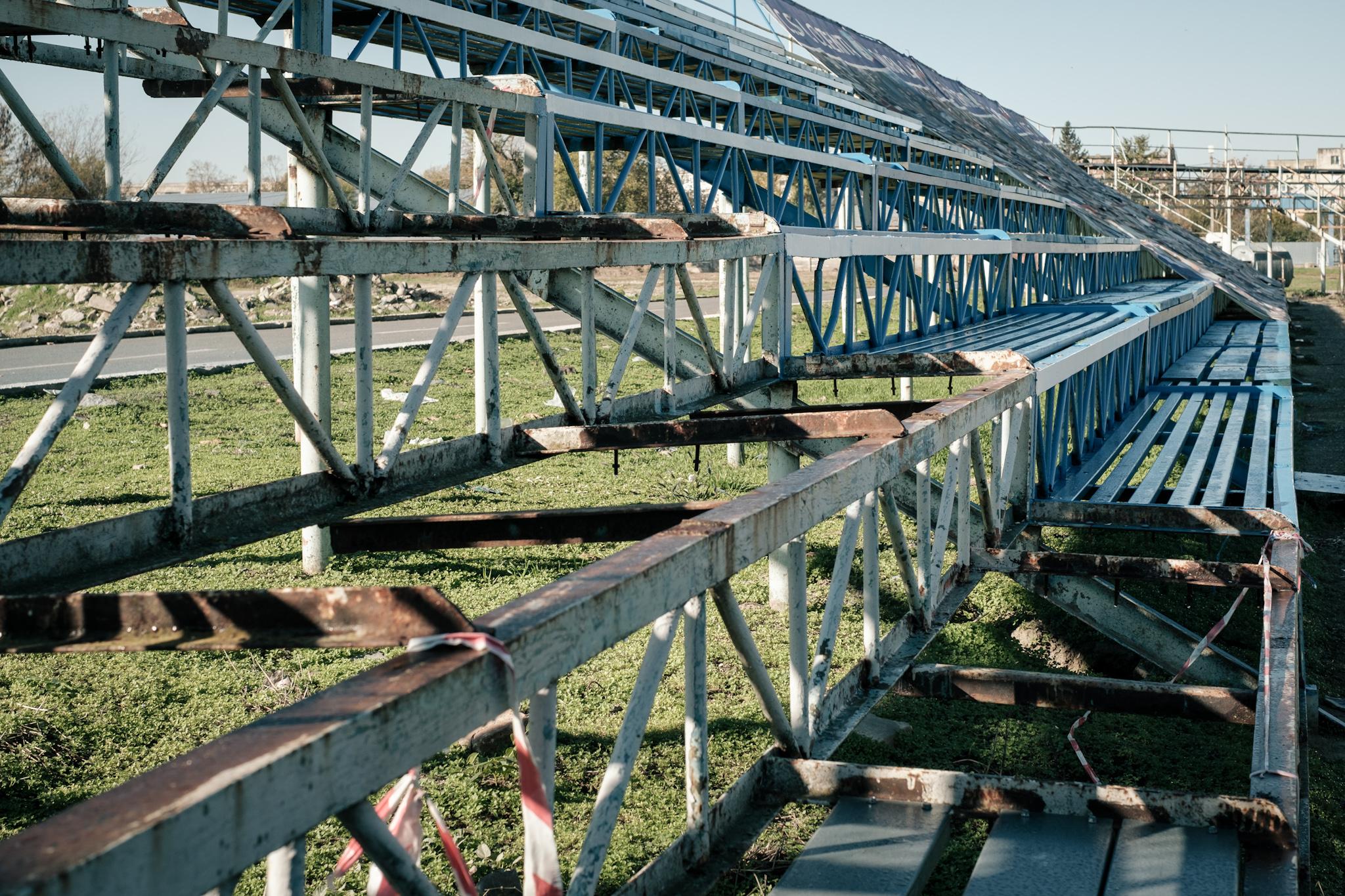
The real story is not the departure. It is what remains.
Not the fact that people left, but what was left behind.
Empty houses. Empty classrooms. Closed shops. Elderly people left alone.
And perhaps most importantly, children growing up without parents.
This is the real story.
But it was not told. It was not followed. It was not photographed enough. It never became a collective memory.
Not all tragedies look the same.
Some burn, explode, and appear on screens.
Others fade away slowly.
And because they fade slowly, no one sees them.
We care about what is far away. We ignore what is near. We see an explosion somewhere else in the world and react instantly. We share. We put flags on our profiles. We donate. We feel involved.
And it is good that we care.
But at the same time, we don’t look at what is happening near us.
We don’t see abandoned railway lines that have completely changed the dynamics of entire regions.
We don’t see people who can no longer get to work, or who have been forced to change their lives.
We don’t see children who can no longer reach school.
We don’t see villages emptying out. We don’t see elderly people left alone.
We don’t see areas where it hasn’t rained for months.
Because these things are not spectacular. They are not shareable. They are not urgent. They do not create a collective moment.
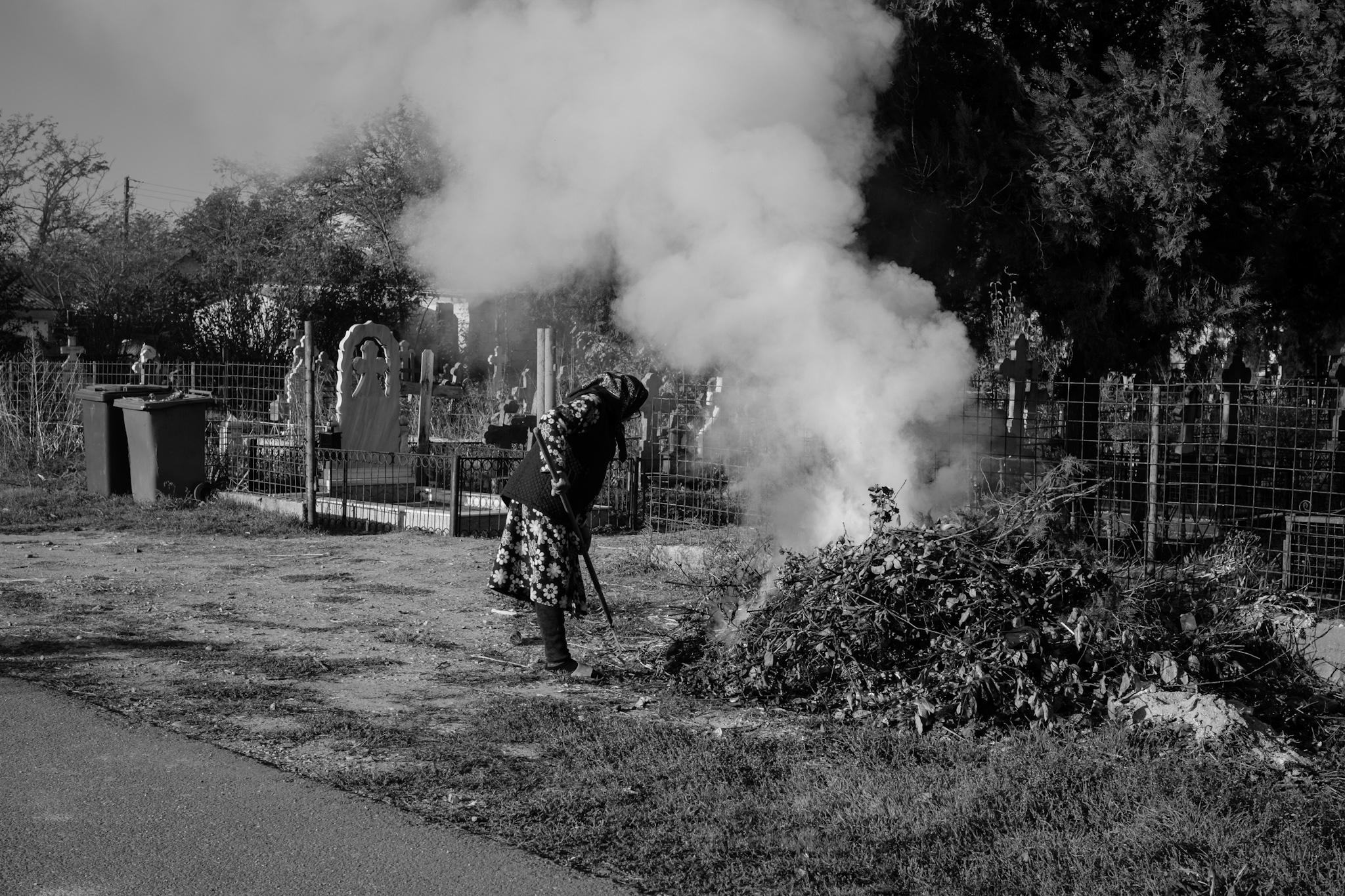
Our empathy has become selective. Not because we are colder.
But because we have been trained to react only to intensity.
To powerful images. To large numbers. To events that happen suddenly.
Meanwhile, things that happen slowly trigger nothing.
There is no moment when you say: “now we should care.”
Because there is no “now.”
There is only a constant, gradual decline.
A lack of water in a region does not become news. Only the moment it turns into a crisis.
A school with a single student is not important. Only the moment it closes permanently.
The disappearance of a village does not matter. Only the moment it no longer exists at all.
We end up seeing only the ending. Never the process.
The problem is not that we look at what is happening in the world.
The problem is that we look only there.
And by doing that, we completely ignore what is happening next to us.
The things that directly affect us. The things that define our everyday lives. The things that, over time, reshape an entire country.
Not because they don’t exist.
But because we no longer see them.
As I started documenting these things, not just photographing them but talking to people, I realized how big the gap really is.
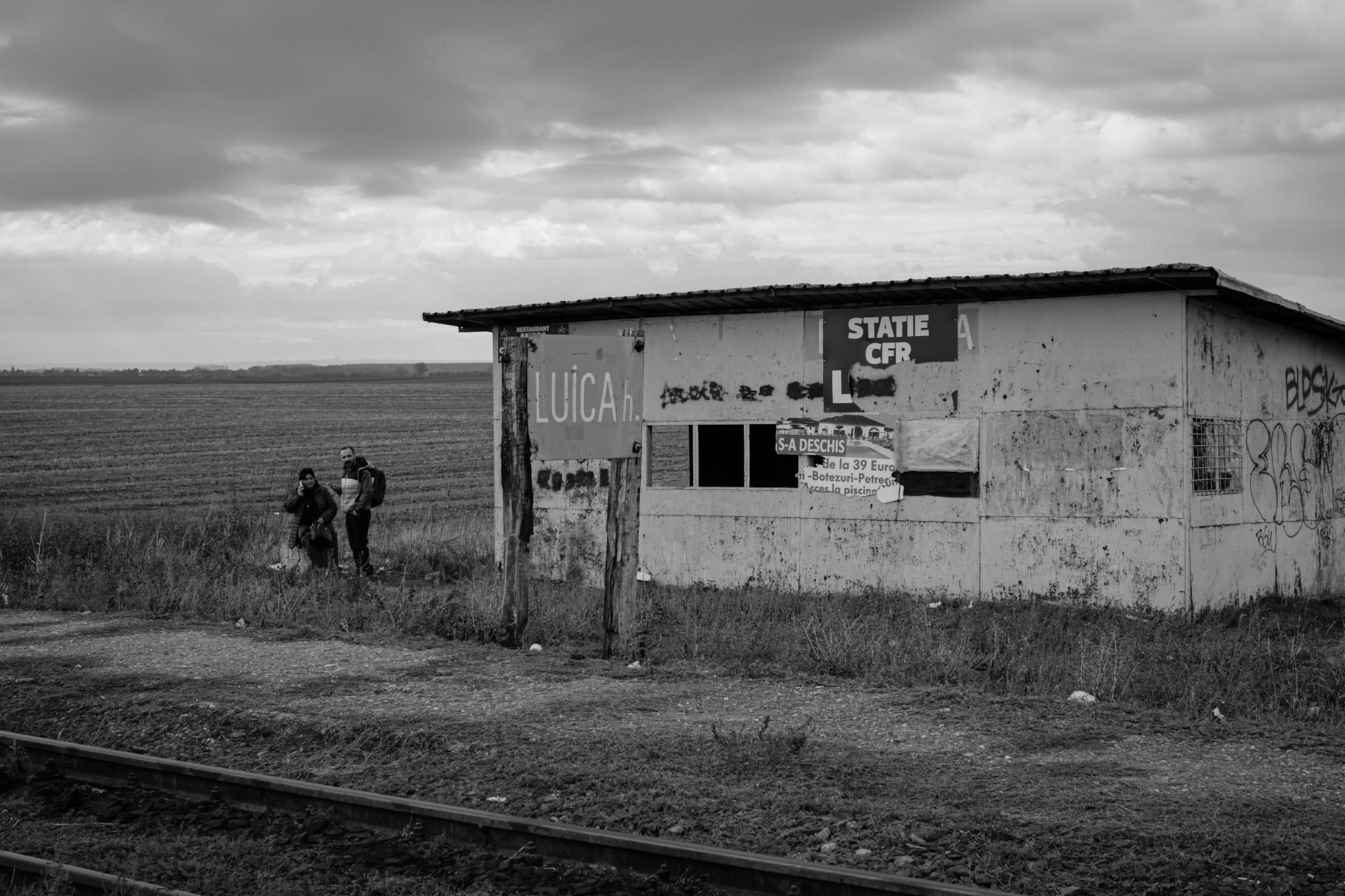
On the 801 railway line, in a few short conversations, without formal interviews, people were not talking about big things. They were not talking about the economy. They were not talking about global politics.
The questions were simple:
“Will they fix this train?” “Are you from Bucharest?” “Are we going to stand in the rain here much longer?”
That’s it.
Direct problems. Immediate. Repeated every day.
While some people live these realities daily, others follow global news, major events, distant tragedies.
There is nothing wrong with that.
But the two realities no longer meet.
People directly affected by small, constant problems are no longer visible to those who consume only what is large and spectacular.
And this is where the rupture appears.
Not just between local and global.
But between experience and perception.
If you look at the numbers, Romania looks good.
The economy has grown in recent years. GDP has reached hundreds of billions of dollars. There are performing sectors, growing cities, investments, infrastructure, modernization.
There is talk about growth, opportunities, the future.
But at the same time, Romania has lost over 4 million people in the past decades.
The population has steadily declined from over 23 million in 1990 to around 19 million today.
On average, every year, the equivalent of an entire city disappears.
There are two different Romanias.
One in statistics. And one on the ground.
One where the economy grows, cities develop, investments appear.
And one where train stations are empty, trains carry tired commuters, villages empty out, schools disappear, buildings are abandoned and vandalized.
Both are real.
But only one is visible.
We see that sport is important, that health is an issue, that culture and heritage must be protected.
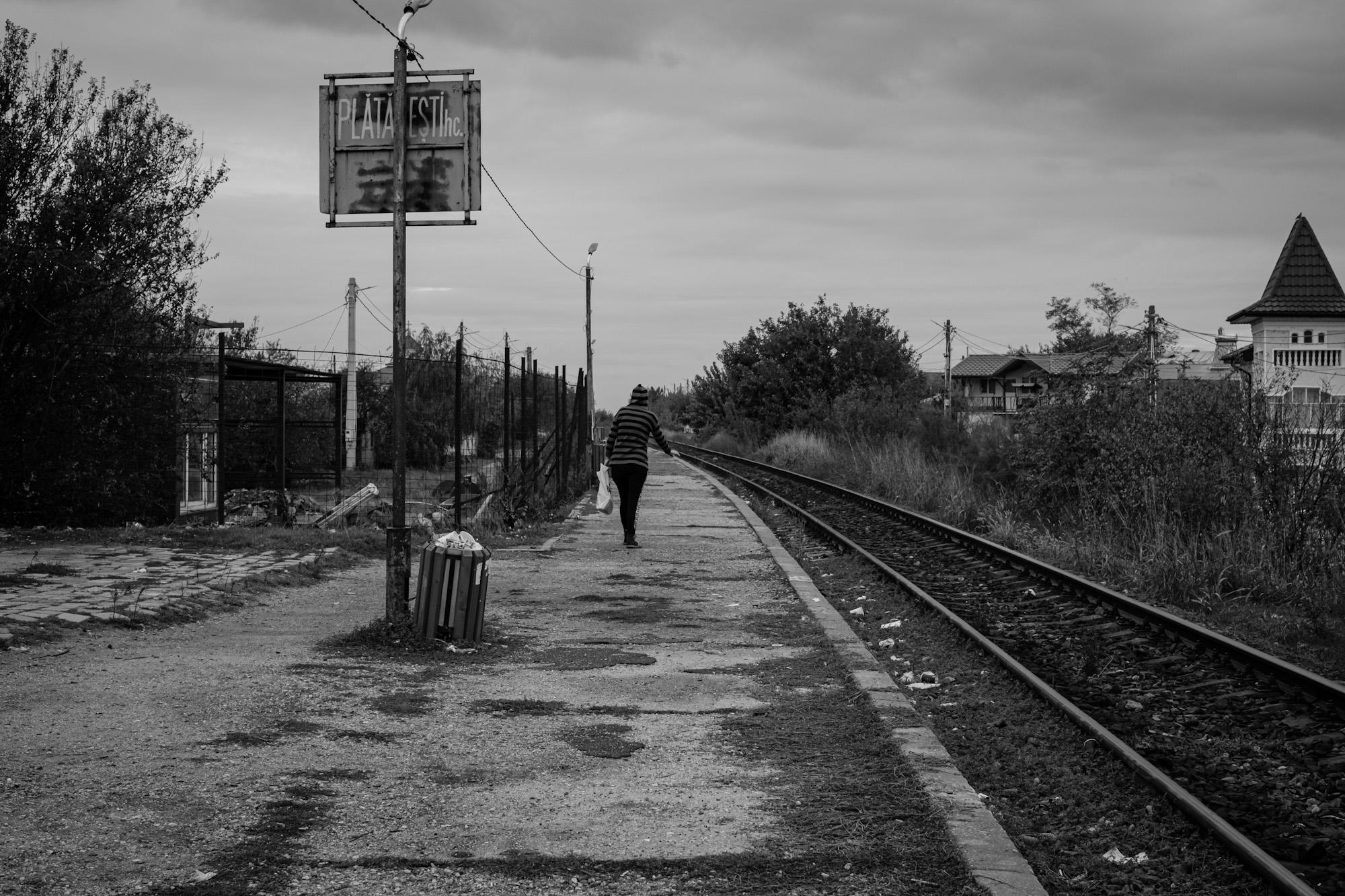
But reality looks different.
These are the stadiums where people play. These are the train stations people leave from every day. These are the heritage buildings slowly decaying, with no intervention.
These are not isolated cases. This is the real state of a part of the country.
The problem is not that we don’t know.
The problem is that we don’t see.
There are statistics about migration. Reports about depopulation. Analyses about the economy.
But there are not enough images.
There is no constant documentation of these things, the way there is for major events.
And without images, reality remains abstract.
The photographs you see here are not spectacular.
They are not breaking news. They will not go viral. They will not appear on the front page.
But they are relevant.
Because they show things that already exist, but that almost no one documents.
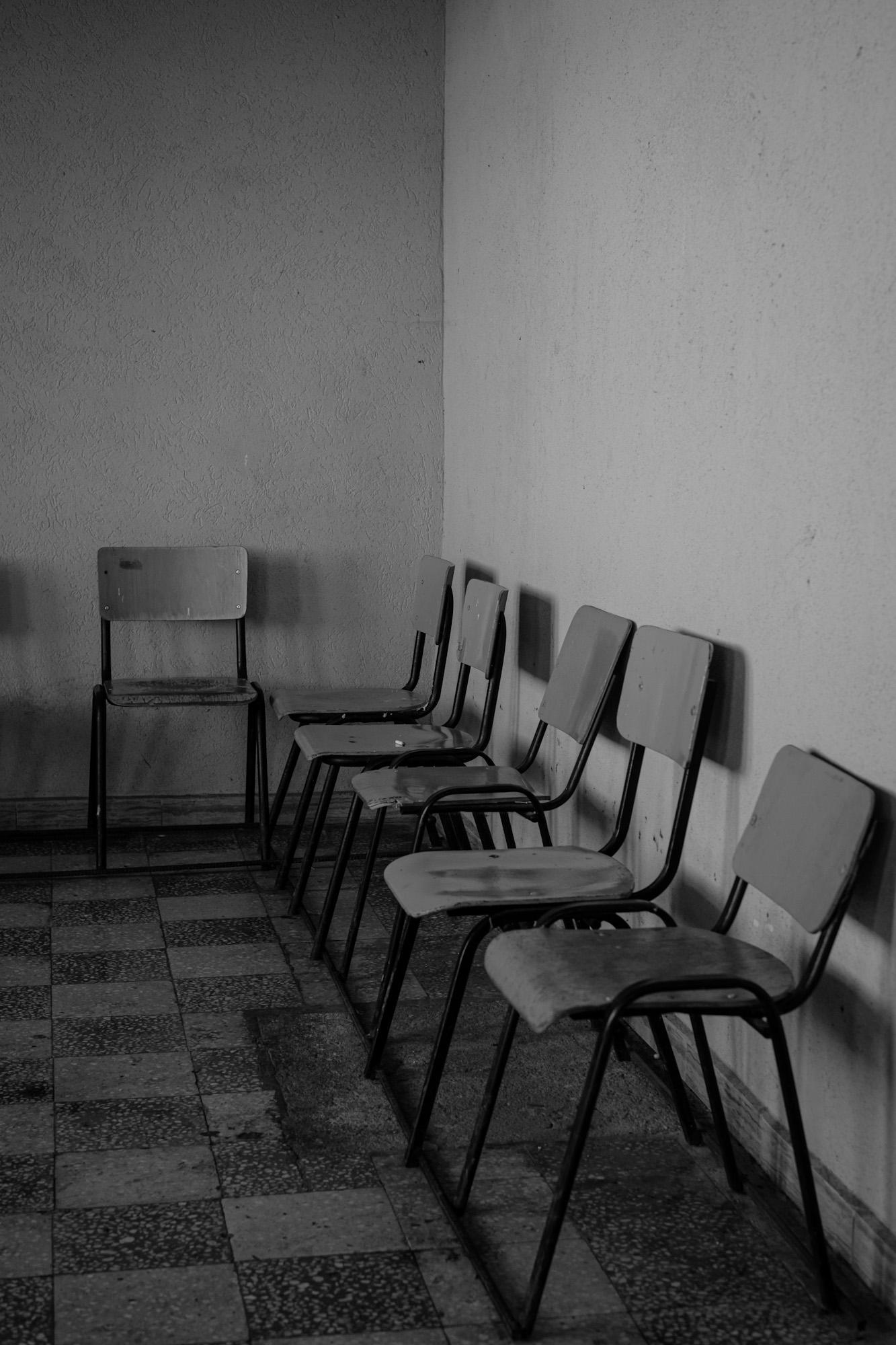
Train stations. Commuters. Forgotten stadiums. Decaying buildings. Closed shops.
Forgetting.
These are not exceptions.
They are traces of a reality that, without documentation, will disappear completely.
In 10, 20, or 30 years, these places will not look the same.
Some will disappear completely. Others will be rebuilt. Others will remain only as memories.
And if there are no images, there will be no memory.
We will not know what it was like.
We will have no evidence.
Only estimates and statistics.
But not reality.
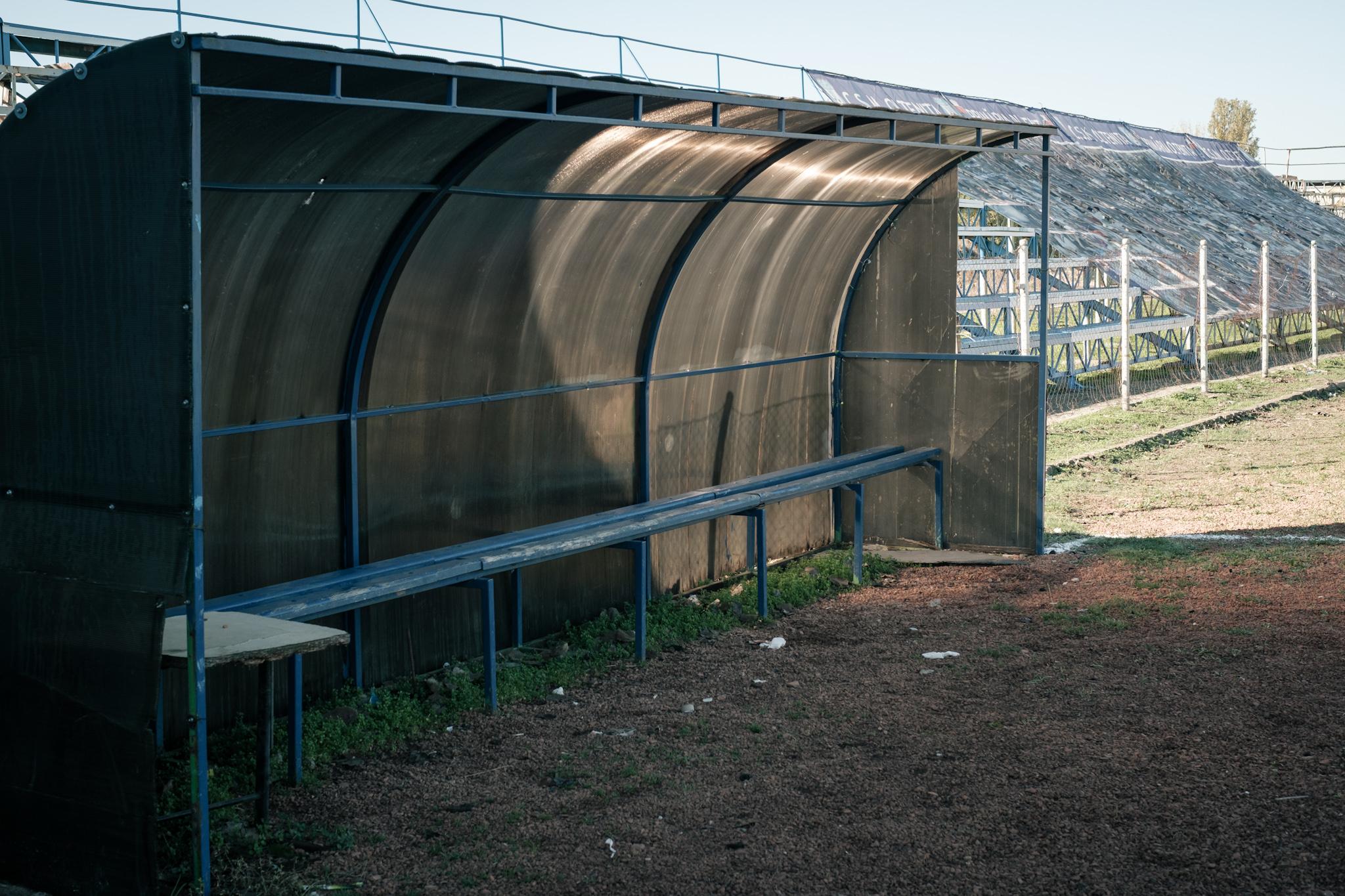
At the end, when I look at the photographs in this article, at the places I have passed through, at the images I made without looking for anything spectacular, you will probably see simple things.
An abandoned football field. Dirt. Ruins. Ordinary scenes.
I see the country exactly as it is.
Not as it is shown on television in its best version. Not as it is shown in its worst version.
No manipulation.
Just what I see with my own eyes.
I have been in these places. I photographed them. I did not try to make them look better. I did not try to make them look worse.
I know that image is real.
And then the question appears: why does everything seem so different?
Why is there such a contrast between what we see and what we are told is important?
Because there is a rupture.
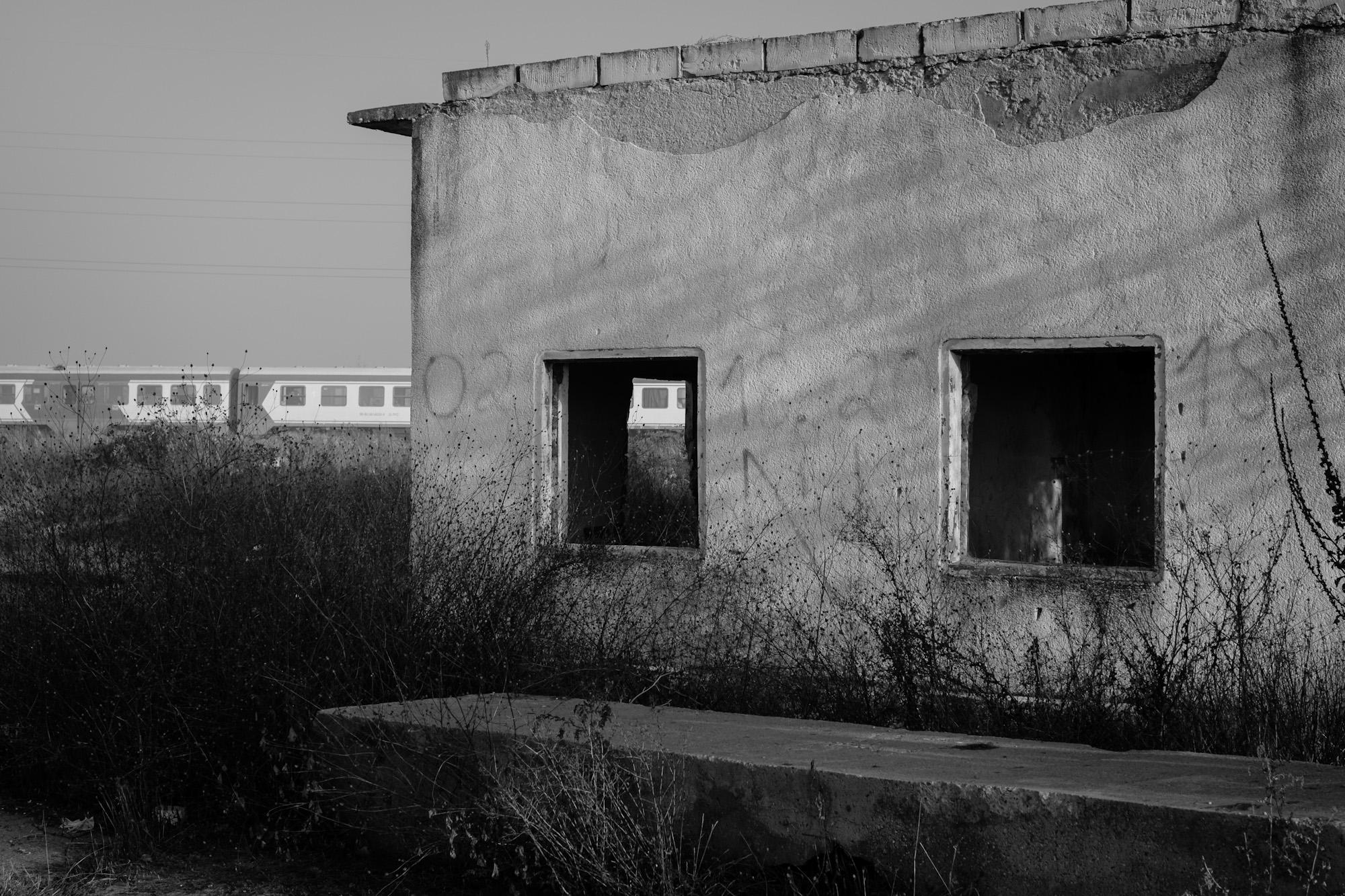
A huge gap between everyday reality and the reality that becomes visible.
This rupture does not come from a single place.
But it probably starts here: from the absence of small stories, from the absence of ordinary images, from the lack of constant documentation of things that are not spectacular.
Because when we stop seeing them,
we begin to believe they are not important.
And over time, we completely forget that they exist.
Note: This article features some pictures from a completed documentary project, Linia 801
Fără comentarii