

24 apr. Gestures — an exercise within “Fragments”
After working on several series in the Classic Chrome direction, I felt the need for a different kind of exercise. Not a change of direction, but more of a test — a self-imposed limitation.
The images here are part of my larger project, Fragments. Most of them did not make it into the book — I think only one or two ended up in the final selection — but they all come from the same way of observing the city.
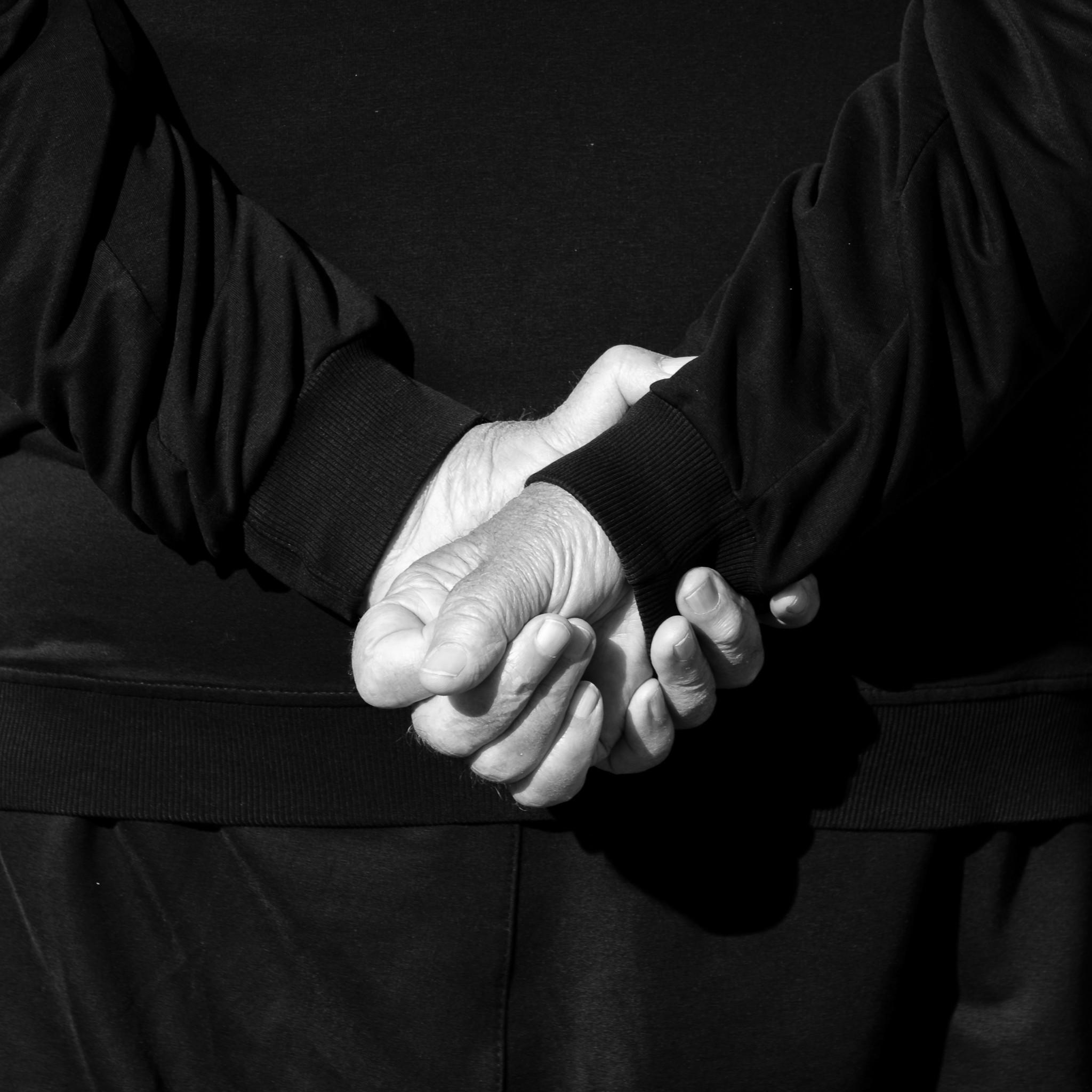
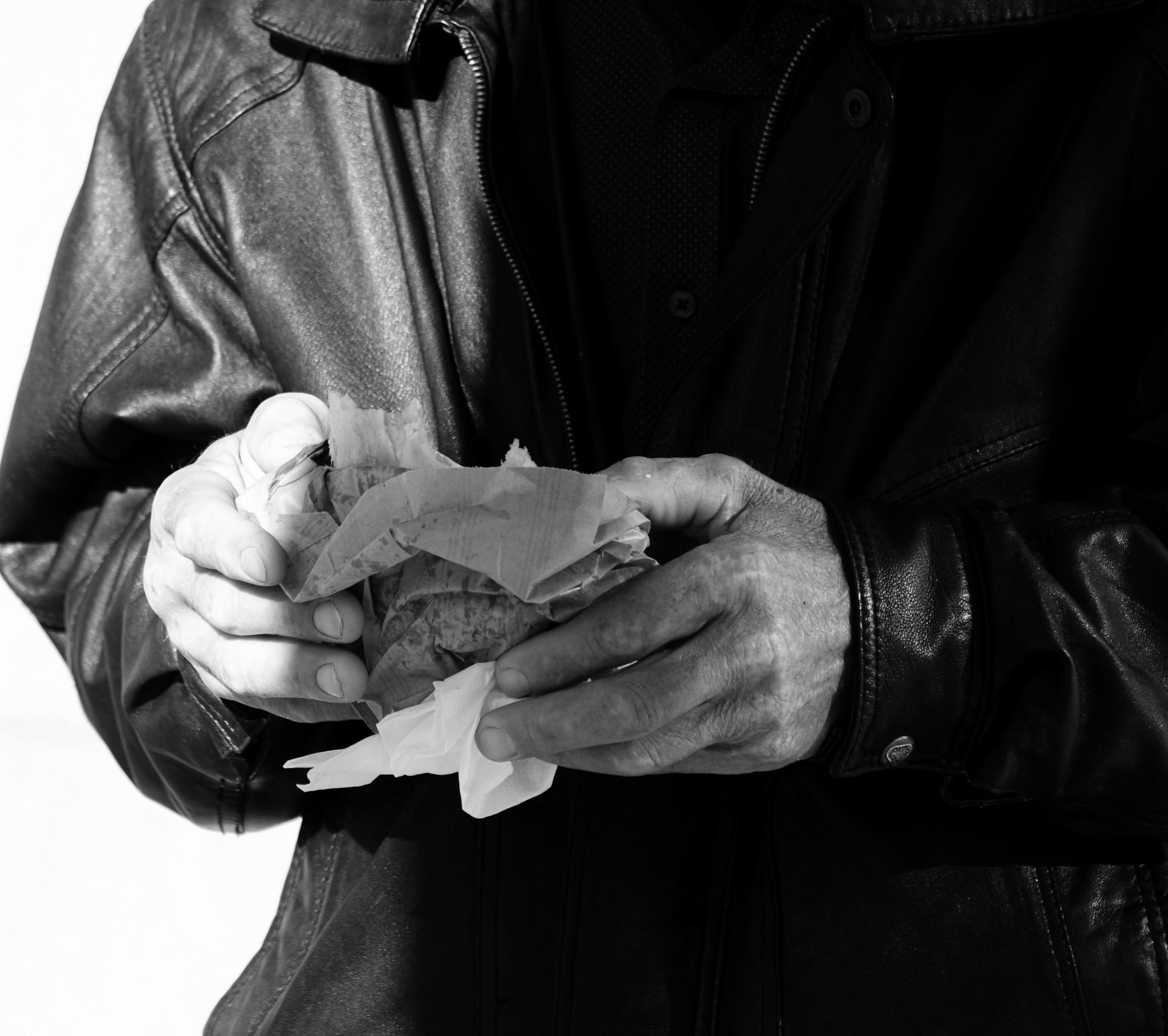
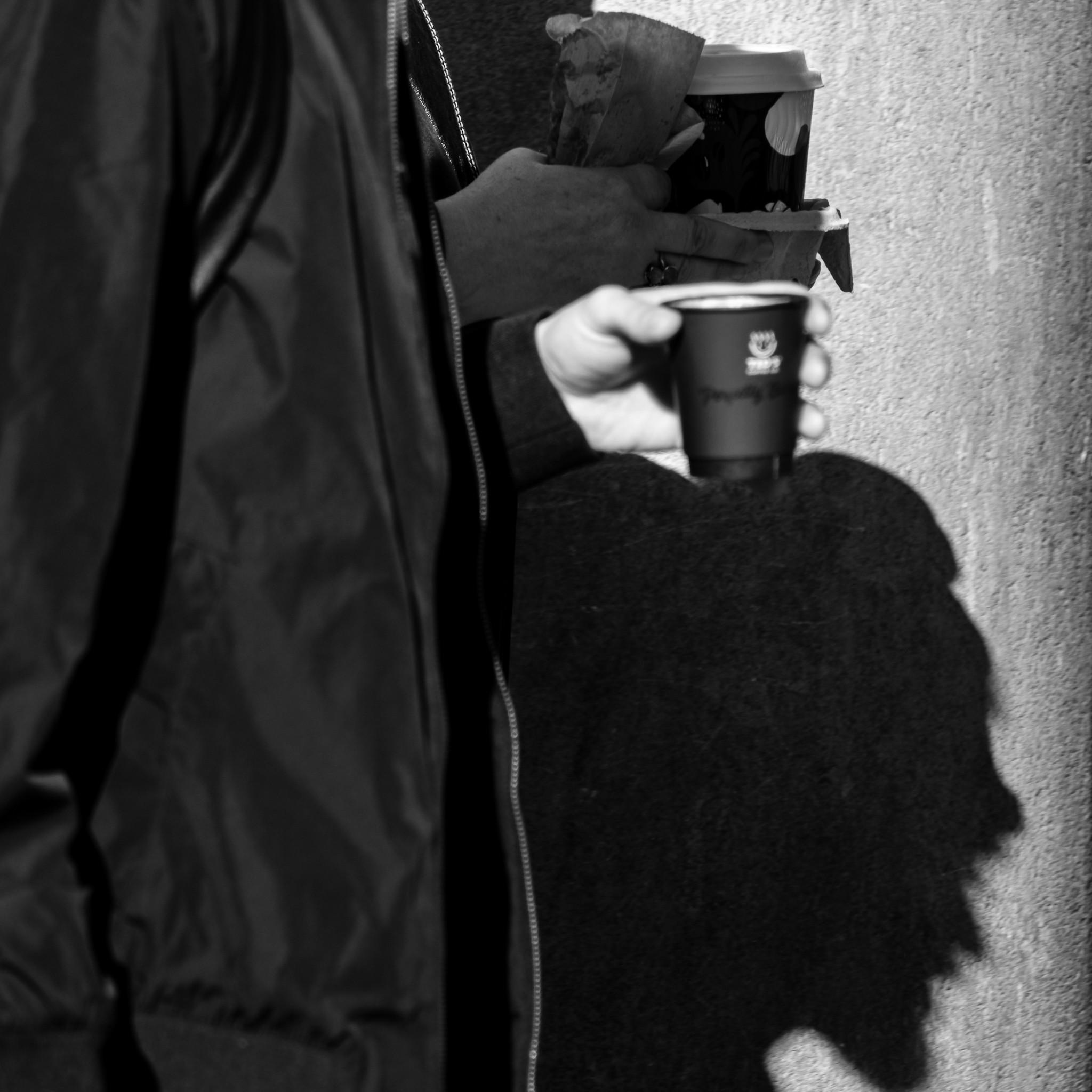
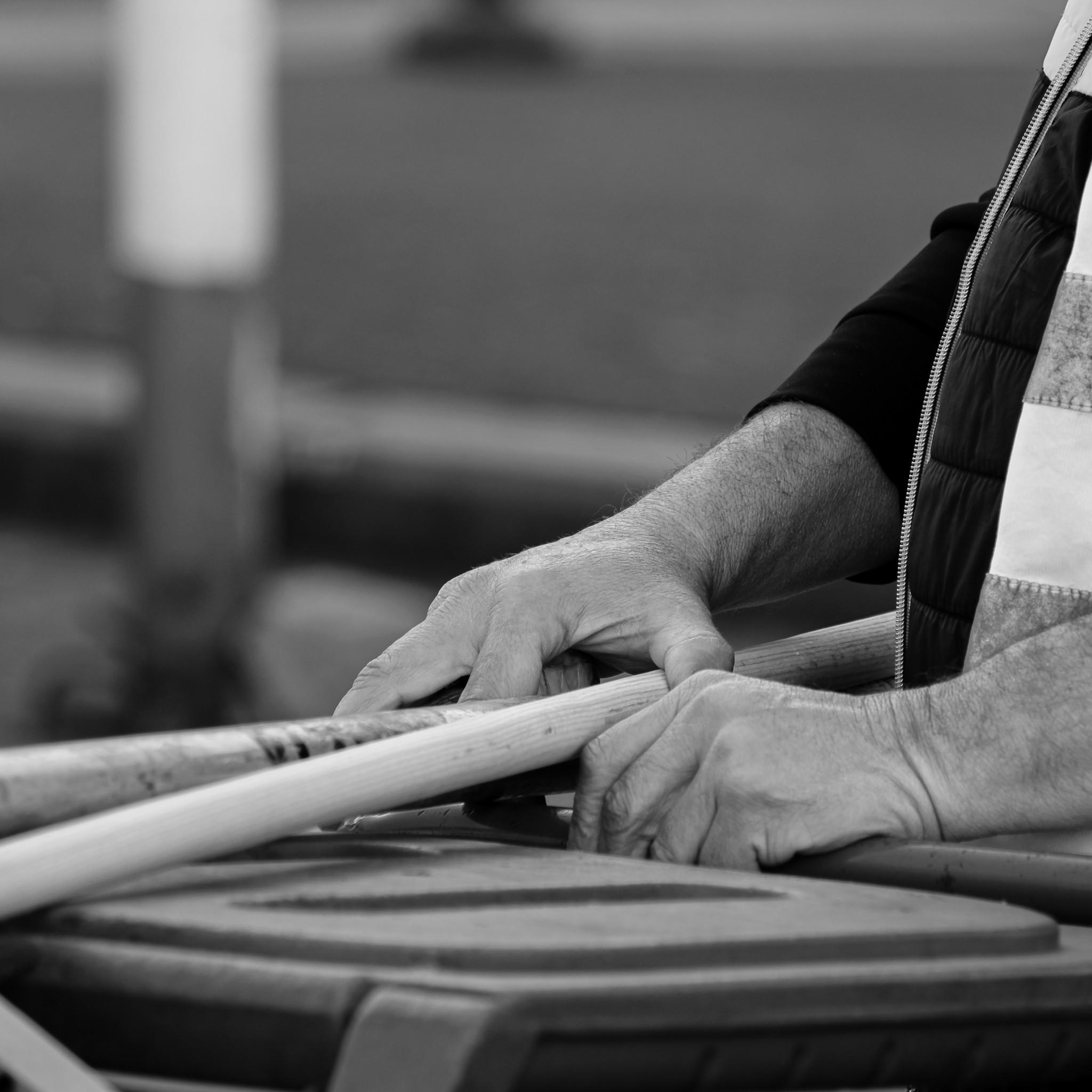
One of the pillars of the project has always been the idea of gesture, of hands. Not the wide scene, not the event itself, but the small things that happen constantly and go unnoticed: hands that hold, wait, press, tighten.
This time, I wanted to go further in that direction.
To get closer.
To remove faces.
To remain only with hands and objects.
Because it’s an area that not many people actively look for or photograph.
I clearly remember one moment while shooting. I was near Gara de Nord, a place where hundreds of people pass through every day, each with their own destination. At some point, I photographed a person holding something to eat. He noticed me and asked if I was from a newspaper. We started talking, and I told him that I’m not looking for faces, that I’m not interested in identity in the classical sense, but in the gesture itself.
That moment confirmed the direction once again.
This project is not about portraits.
It’s about working hands, occupied hands, hands that carry stories.
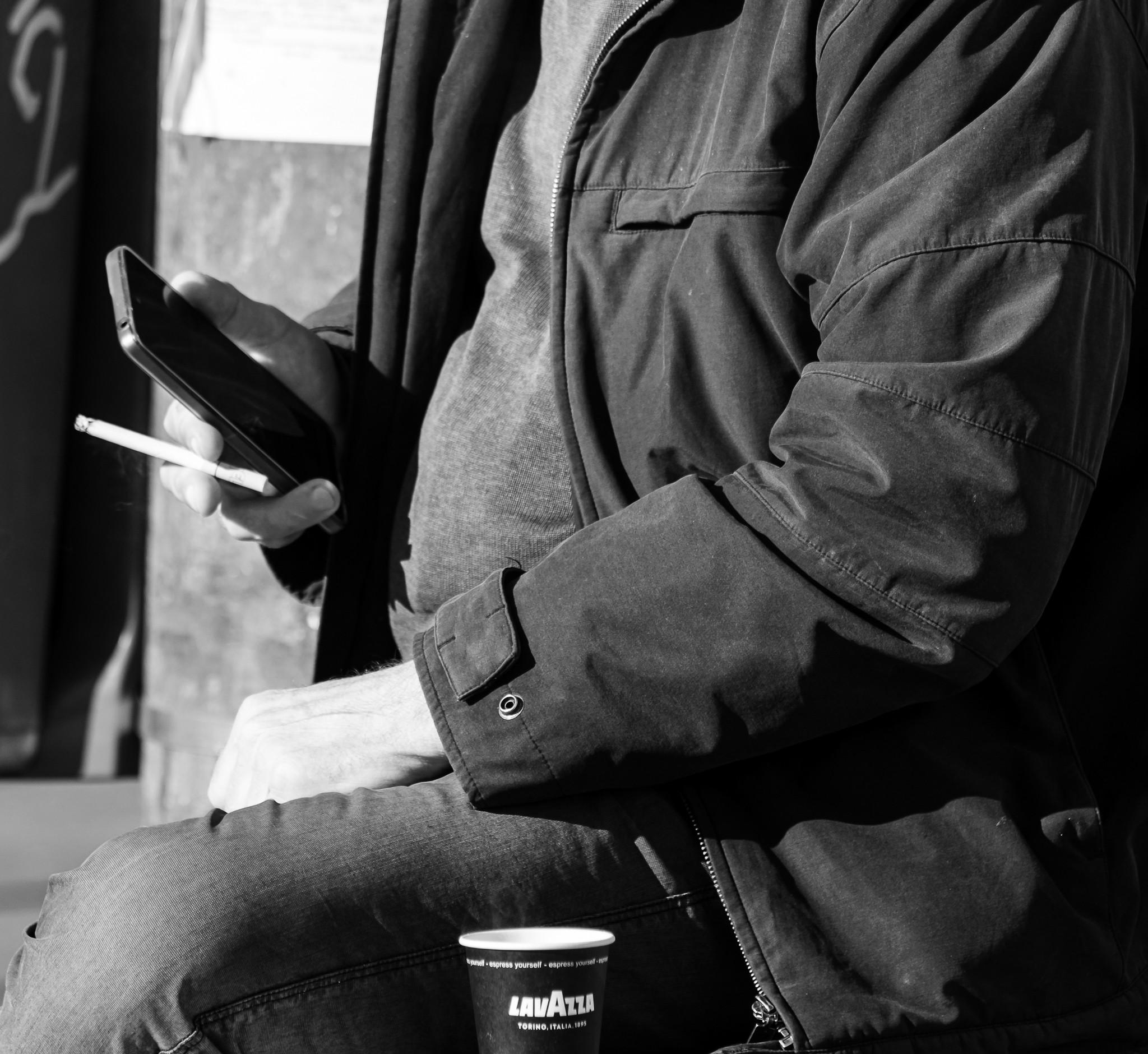
A cigarette held between fingers, a coffee, a bag, one hand holding another — all of these become fragments of a larger story, without the need to explain it.
Editing approach & technical notes
The series was edited individually, without forcing artificial consistency. Each image has its own light, contrast and texture, and the goal was to extract the maximum from each frame, not to apply a preset across all of them.
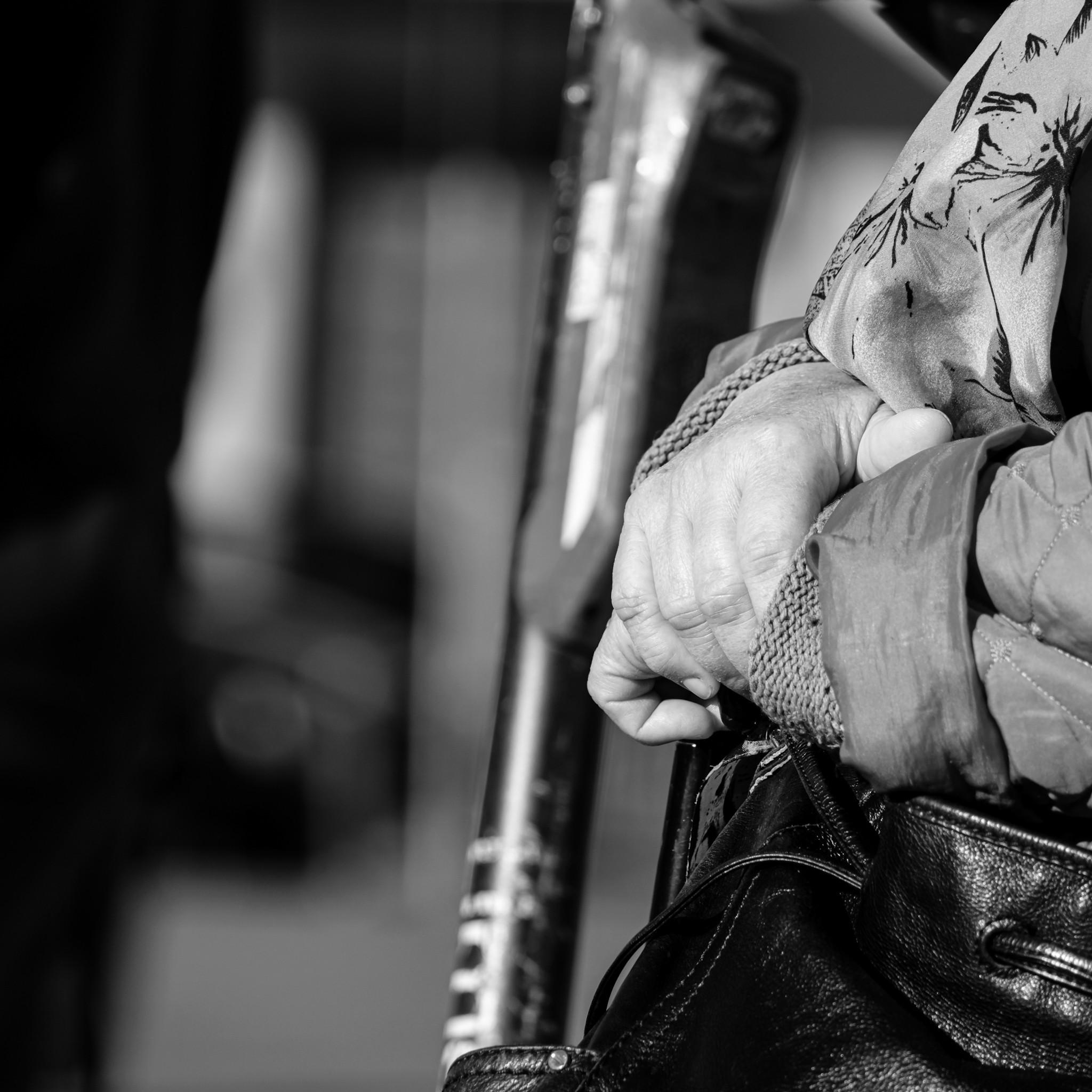
The overall direction is loosely inspired by a Leica aesthetic: clean black and white, controlled contrast, and no obvious digital artifacts.
Black & white conversion
The conversion was kept natural and restrained.
All the pictures started from Acros R simulation and then each of them was adjusted slightly depending on the light, mood, etc.
I wanted to turn the pictures into B&W but tried to not crush the blacks or blow the highlights.
Also, I did not want to sharpen or push the pictures towards an artificial, HDR look.
The goal was to preserve tonal separation between skin, fabric and background, while keeping the image grounded in reality.
Contrast & tonal control
Contrast was applied globally and then adjusted through the tone curve for each image.
• midtones slightly lifted for clarity
• highlights controlled to preserve skin detail
• shadows deepened only enough to create depth, without losing information
Each image was treated differently, depending on the available light.
Texture & clarity
Texture plays a key role in the series (hands, materials, surfaces).
– moderate clarity
– selective use of texture
– no aggressive sharpening
The aim was to keep detail visible, but never overly digital or harsh.
One image received a value of +20 in texture but the rest of them stayed well under this value.
Light
The original light of each scene was preserved.
• no artificial relighting
• no forced uniform exposure across images
• natural variations in light were kept as part of the series
This creates rhythm and authenticity.
Crop & composition
Even though I used a long lens I still had to do some cropping to the images.
Maybe in other cities I would have moved closer but here in Bucharest I felt a bit better putting some space between me and mu subjects.
Local adjustments
At some point, I considered using local adjustments — for example, slightly lifting the exposure on the hands to bring them forward compared to jackets or clothing.
Technically, that would have worked. It could probably add another 5–10% to certain frames.
But in the end, I decided not to go in that direction.
Part of what I’m trying to show, not just with this series but with others as well, is that you don’t always need a complex workflow. In a couple of minutes, you can edit a photo, and in fifteen minutes you can have a small, coherent selection built around a subject, shot from different angles.
For this series, that was enough.
That doesn’t mean I reject local adjustments altogether. There will definitely be individual frames or future series where I’ll use them to refine an image as much as possible.
But here, the balance between effort and result didn’t justify the extra step.
Series coherence
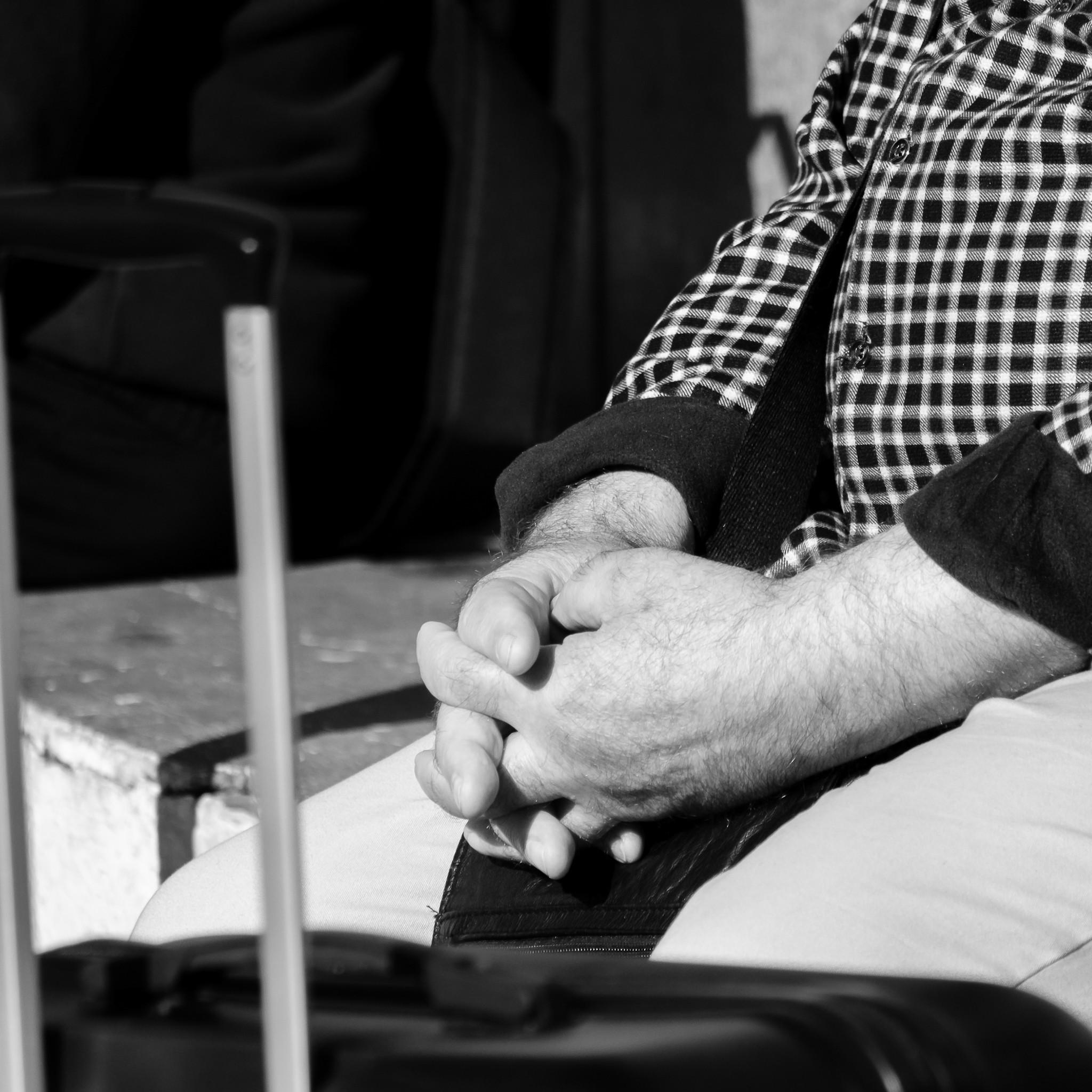
The series is not unified through identical editing, but through subject and visual language:
• focus on gestures
• tight framing
• absence of faces
• relationship between hand and object
That is what connects the images, not a preset.
Gear used
For this exercise, as for all my Fragmente projects and books, I relied on the Fujifilm X-S10, a camera that I paired with the 55-200 lens from Fuji.
I managed to split Fragmente between two lenses, the 35mm 1.4 lens, used for 90% of the book and the 55-200 used mainly for very tight crops, gestures or some images from traffic.
Until next time,
Enjoy!
Fără comentarii