

20 apr. Sarichioi
I didn’t plan to get to Sarichioi.
We had set off through Dobrogea for a day, without a clear route, more with the idea of seeing what we could find along the way. The first stop was a surprise for my fiancée — she didn’t know where we were going — but after that moment, all we wanted was to find a place to have a quiet lunch.
I quickly searched online and found a small, no-frills restaurant just a few dozen meters from the water. I knew nothing about the place and, honestly, I wasn’t there to take photos.
All the images in this series were taken with a Fujifilm X-S10 and a 35mm f/1.4 lens. I think that’s all I had with me, mostly because she had told me to bring the camera. I didn’t have a plan, I didn’t have a clear idea of a project. After we ate, we went for a short walk — more for digestion than anything else.
The area where I photographed is not large at all. I basically walked along a strip of land of about 100 meters, back and forth, without leaving that perimeter. That’s everything I captured.
It was instinct, not intention. I simply reacted to what was there.
I took the photos without thinking they could become a series. I edited a few frames at the time, showed them to some friends, and then left all the RAW files on my computer and moved on.
Almost a year later, while organizing my archive — for articles, series, and edits — I came across those images again. During that period, I had already published several series on the site, and these photos stood out to me.
That’s when I wanted to see if I could build something out of them.
This series exists more by accident than by plan.
The series is not about Sarichioi itself.
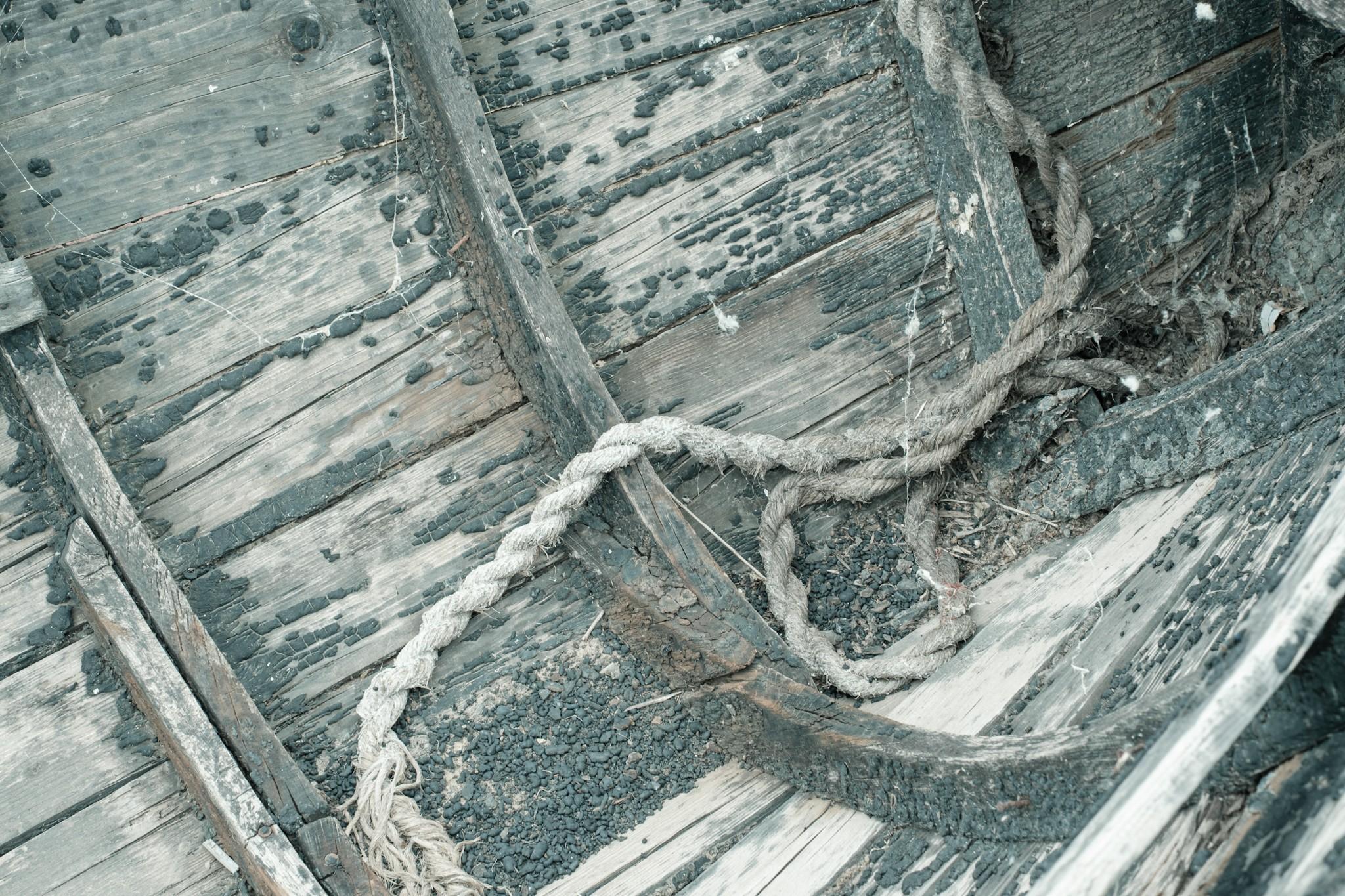
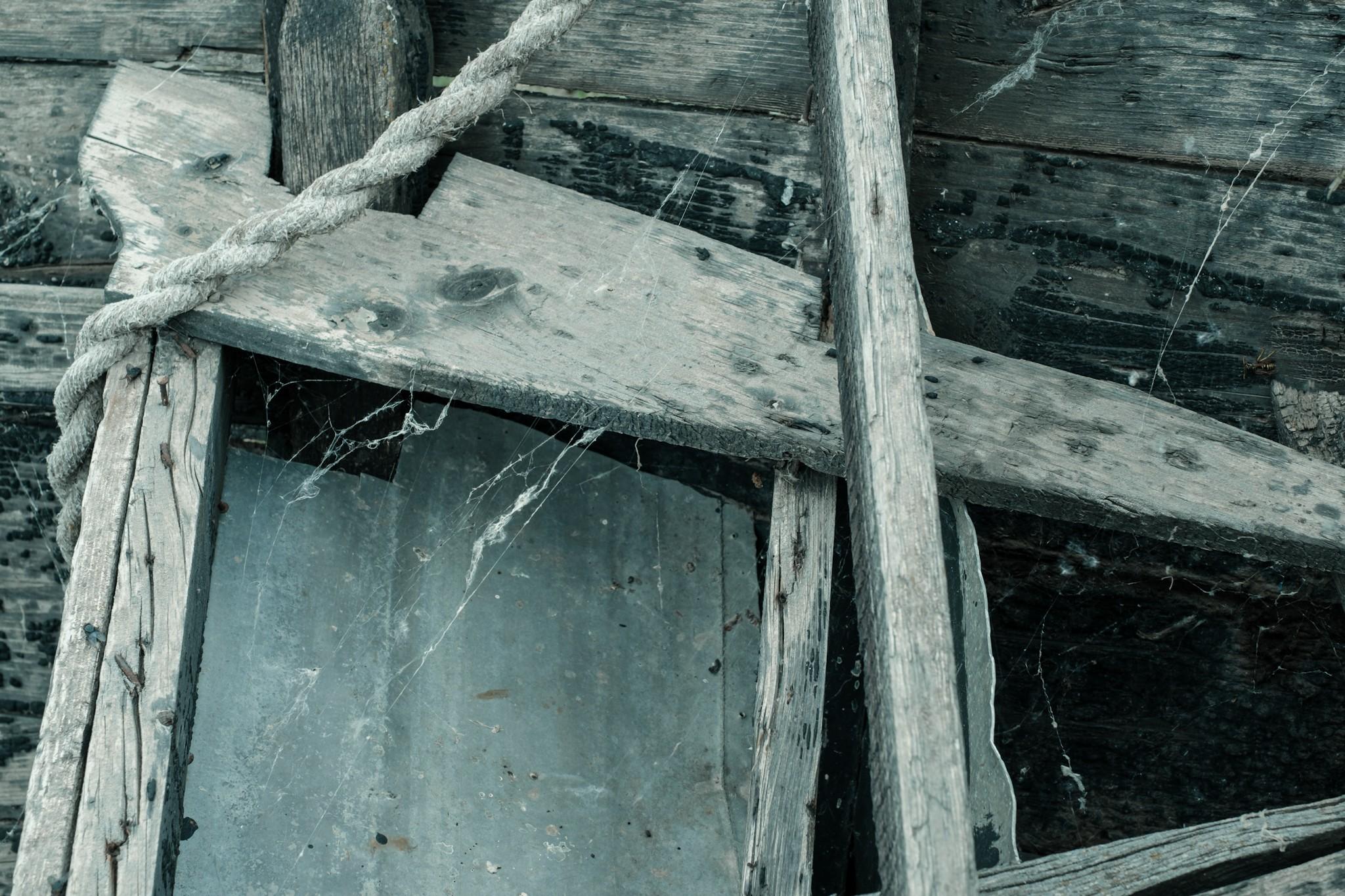
It is not about fishermen, nor about documenting a specific place in a classical way. It is rather about what remains — objects, surfaces, details — and the way they say something in the absence of people.
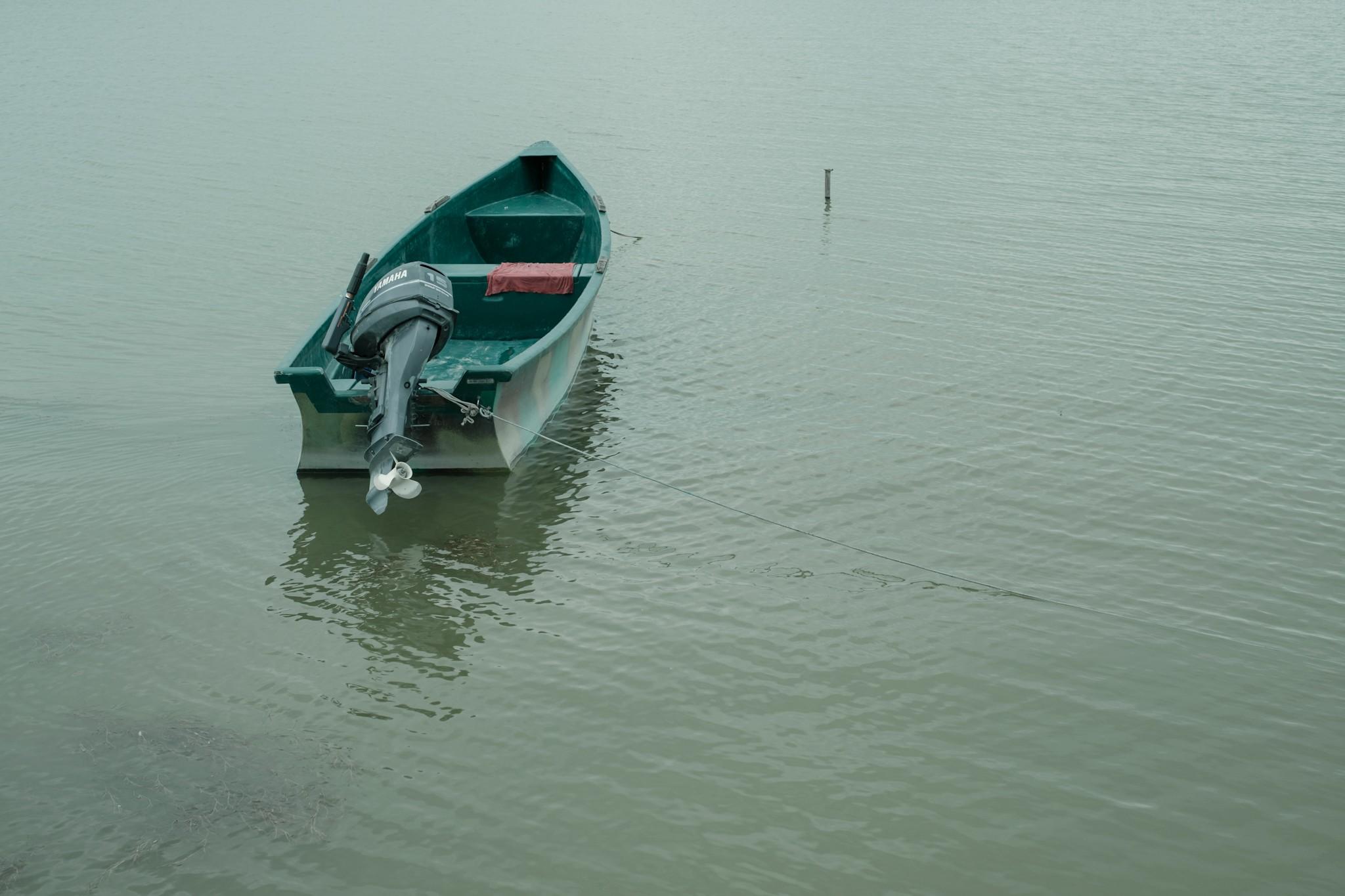
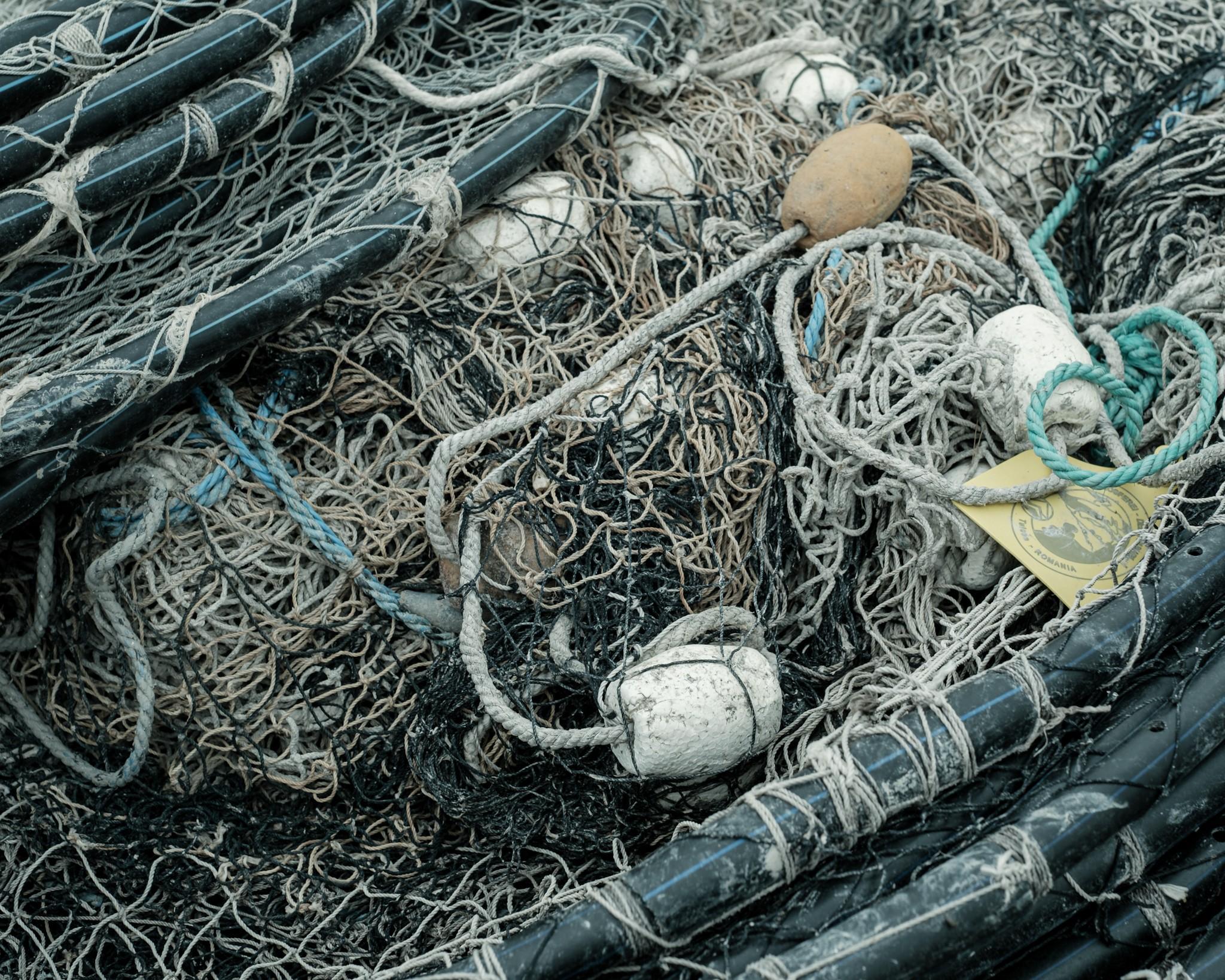
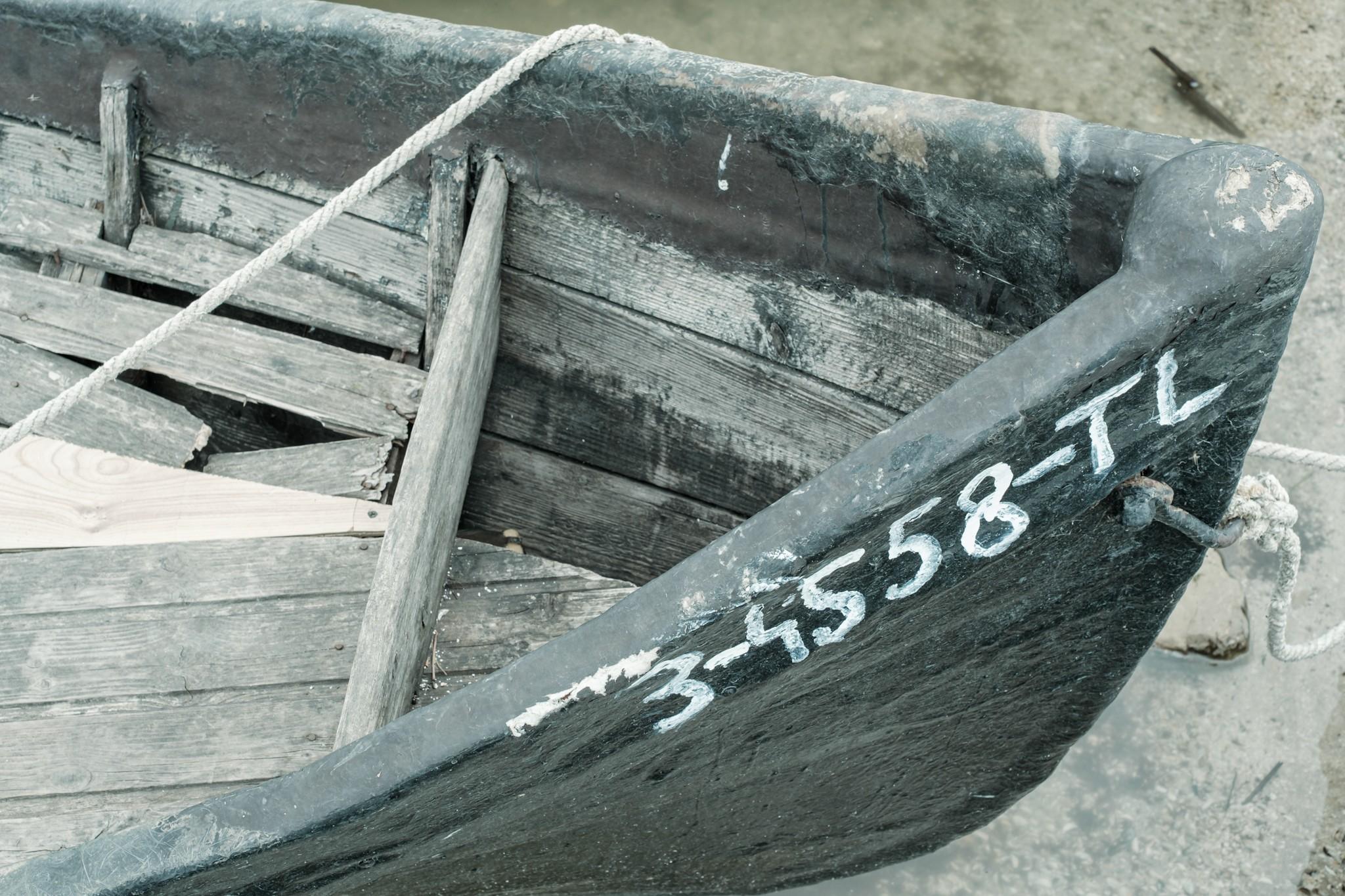
In all the images, there is a sense of stagnation: still water, tied boats, abandoned nets, things that seem to be waiting. There is no action, no decisive moment. Everything is static.
My interest was not to show “life there,” but exactly the opposite — to capture what remains when life is not present in the frame.
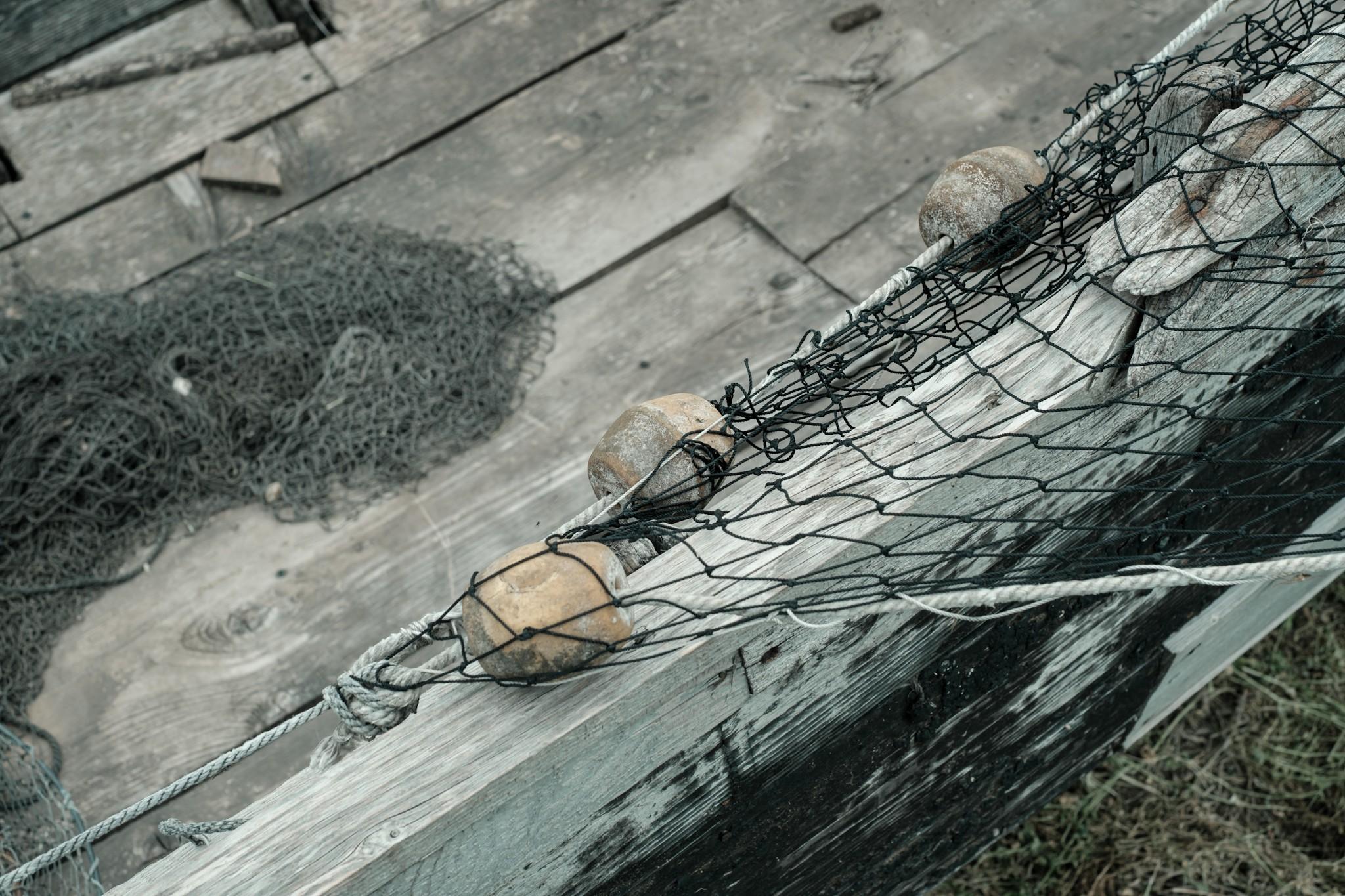
The small space in which I photographed reinforced this direction. The fact that all the images come from a strip of just a few dozen meters ties them together even more. It is not an exploration, but a limited, repeated, concentrated observation.
The series works through simple elements: texture, muted color, repetition, silence. There is no dominant image that explains everything, but rather multiple fragments that, when put together, build the same feeling.
At its core, this is a series about absence.
This series would not have existed if it had remained only at the level of the photographs taken that day.
The difference came when I returned to the images, almost a year later, and started to see them as part of a whole, not as individual photographs. That is where the real process begins.
The selection was done brutally. Many frames were removed, even if they were “good” on their own. I was not interested in how successful a photograph was individually, but whether it had a clear role within the series. If it didn’t add anything or repeated something already said better, it was removed.
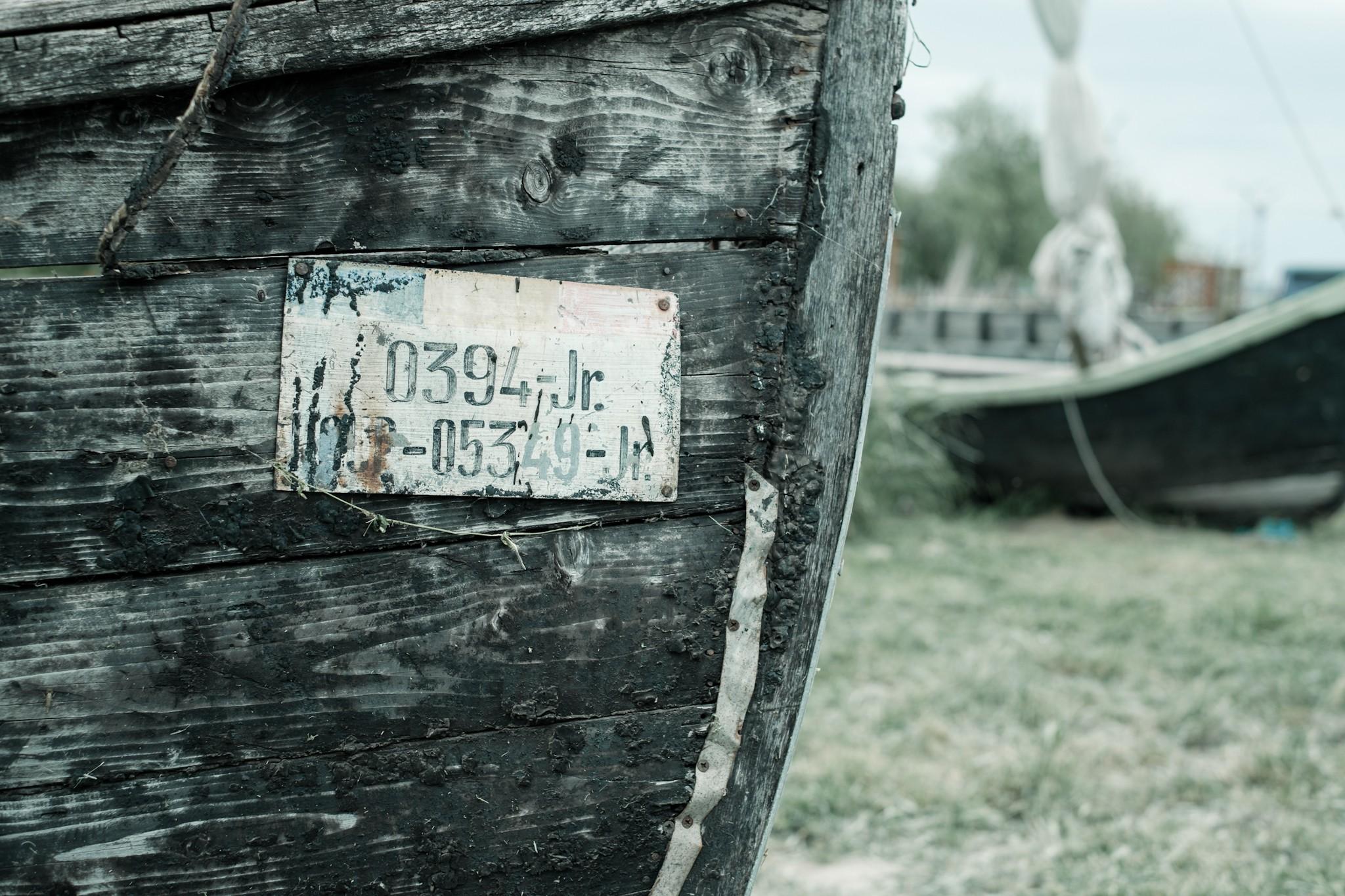
The editing followed the same logic. I didn’t try to “save” images, but to bring each one as close as possible to the direction of the series. I started from a common base — Classic Chrome — and adjusted each frame depending on what it needed, without breaking visual coherence.
There are no alternative versions. Each image was edited once, with a final decision.
In the end, the series is not the result of an inspired outing, but of a clear process: selection, elimination, editing, and decision.
Below you can find more technical details about the series and how it was thought through and edited.
The most important thing, as with all these series, is the mindset. I am not editing photos. I am building a series.
The biggest mistake most photographers make is treating each image as an individual success.
For me, that is wrong.
A strong project is not about the best individual photos.
It’s about coherence, rhythm, and control.
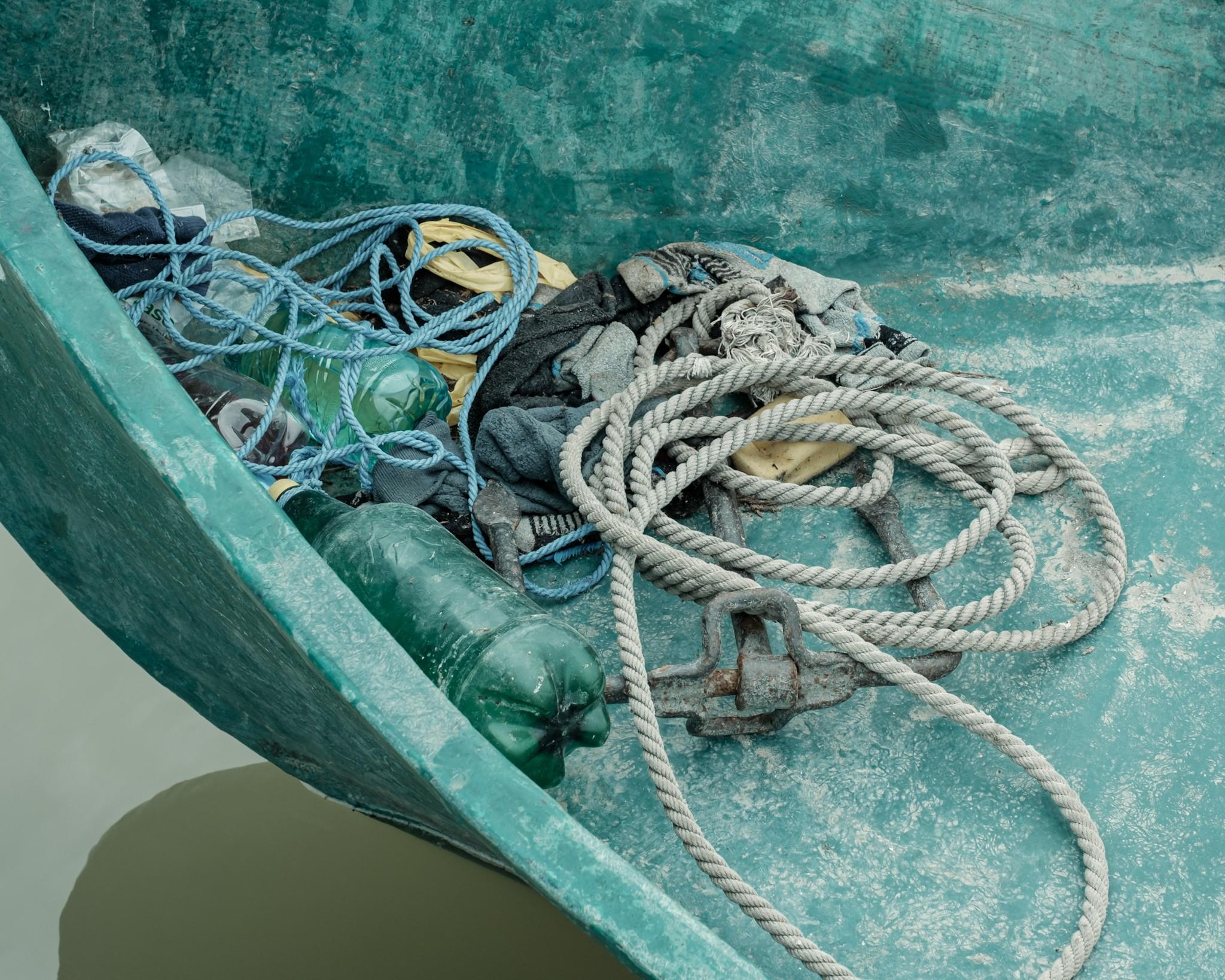
Every decision I make — selection, crop, color, contrast — is not about the image alone, but about how it fits into the whole.
Since I wasn’t there with photography in mind, all I got that day was about 50–60 pictures in total.
So picking the ones to build the series on was a lot easier than going through hundreds of images.
Every photo that I kept must answer a simple question: What is this photo about?
If the answer is:
– “the boat” → good
– “the texture” → good
– “the number on the boat” → good
If the answer is something like “boat + rope + wheel + water + engine” → delete
A series doesn’t mean identical edits.
It means the same emotional tone, the same color philosophy, the same visual discipline.
In this case, I chose Classic Chrome for the sequence because it has certain distinct advantages.
Muted colors, a documentary feel, removal of that “tourist look,” and a good base for enhancing decay, texture, and realism are the reasons why I started my edits with Classic Chrome as a base.
For a while, I considered Eterna as a starting point, but after experimenting with it, I found it too flat, too cinematic, and lacking in contrast for what I envisioned.
I do NOT use presets blindly.
I build each image starting from a consistent base:
– Profile: Classic Chrome
– Contrast: slightly reduced
– Highlights: strongly reduced
– Shadows: lifted
– Blacks: deepened
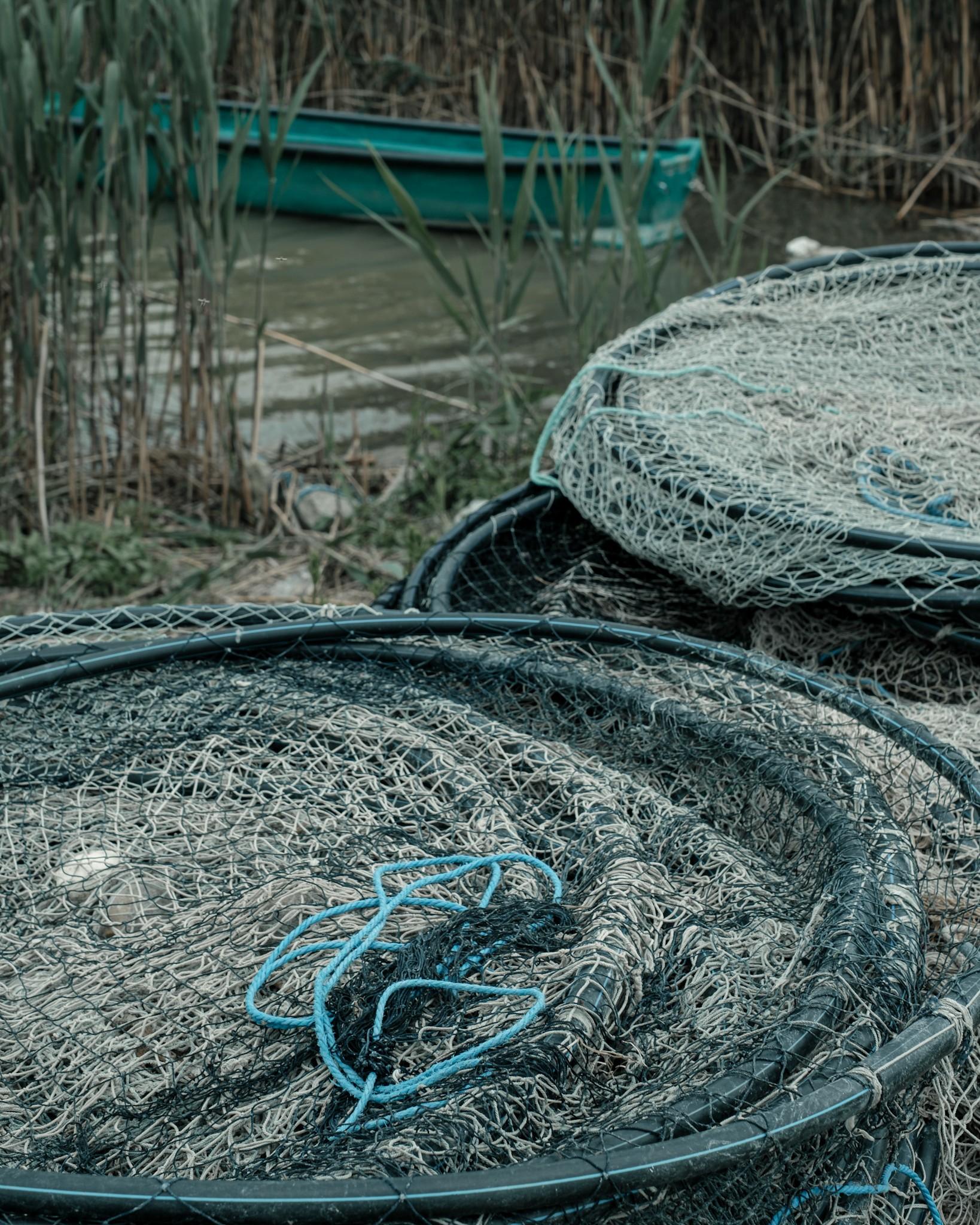
For this series, I didn’t want to enhance colors, but rather control them.
For the water (green tones):
– reduce saturation heavily
– slightly increase luminance
For the main subject (boat / object):
– slightly preserve or lift color
For everything else:
– reduce saturation
When it comes to Texture, Clarity, and Dehaze, I had to be very careful because this is where most people destroy images.
My rules for these images were:
– Texture → YES (for details)
– Clarity → VERY LITTLE
– Dehaze → almost never
When it comes to local adjustments, I could have used them — emphasized a rope, a color, etc. — but I wanted the editing to be kept at a minimum.
I know I could have pushed the images further, made them a bit “better,” but after finishing the global adjustments, I was satisfied with the result and stopped there.
For this series, like for most of my series, I follow a very strict rule: once I decide on crop, style, and edit, I never go back or try something else.
My whole idea is to show that you can build a decent series anywhere, with minimal editing and time spent on it.
Of course, I could have spent hours or days trying to include more photos, cropping more, arranging corners, etc. — but to what end?
I honestly believe that a decent photo series is not created in Lightroom, but rather through discipline, selection, consistency, and maybe the most important thing: the ability to remove good photos if they don’t match your story.
Until next time, enjoy and good light!
Fără comentarii