


09 iun. Why My Next Camera Might Not be a Fuji
November 2018. Evening.
I bought my first Fujifilm camera — an X-E2 — in the parking lot in front of the Romanian Patriarchy. I paid cash, the camera was second-hand, and for the 18-55 kit lens I traded a Sony 35mm f/1.8.
To this day, I don’t know if it was the best trade in the world. But for me, at that moment, it was the right one. That was the kit with which I entered the Fujifilm world.
Fast forward to June 2026.
Around 30 published articles for Fujifilm, one photography book written, 12 photo albums published with others in progress, prints, international contests, distinctions, and more than one hundred awards.
Right now I don’t own my X-T20 anymore — the camera I used for some of the most beautiful images in my collection has been sold in order to cover the difference for a lens I needed for my sports photography.
My main working camera, however, is the Fujifilm X-S10. A model that many Fuji fans disliked or even hated, but one that worked perfectly for me over the years.
I bought it in January 2023 and I have been extremely pleased with it.
This article isn’t exactly a review. It’s more of a reflection.

Because after seeing the announcement of the new Fuji X-E5, a thought started ringing louder in my head — a thought I’ve had for quite some time.
Maybe the next camera I buy will not be a Fuji.
My Love for Rangefinder Cameras
Before going further, I need to confess something.
Anyone who has read my articles knows how much I loved the X-T1. I still believe it is one of the best cameras Fuji ever made, with beautiful colors and a unique feel.
But when it comes to design, I’ve always been drawn to rangefinder-style cameras.
The X-E series. The X-Pro series.
Maybe it’s the Leica influence. Maybe it’s the compact design.
But those cameras always had something special for me.
Even today, after all these years, I still have the X-E2 — I gifted it to my girlfriend — and from time to time I pick it up, hold it in my hands and play with it.
And honestly, even today I still like its layout and shape more than 90% of the cameras currently on the market.
Of course, this is subjective.
Some photographers hate rangefinder designs and prefer DSLR-style bodies.
But for me, this has always been the form I wanted most in a camera.
Which is why Leica has always been a dream.
Unfortunately, Leica prices are prohibitive.
Not only the camera body — which you could maybe afford one day — but especially the lenses, which cost a small fortune each.
That is why I watched the launch of the Fuji X-E5 with a lot of excitement.

And at first glance, I loved it.
The metal plate. The film simulation dial. The shape.
Especially in black.
I imagined how the 35mm f/1.4 would look on it and thought how beautiful that combination would be.
But then I saw the price.
And that changed everything.
The Price Problem
The launch price is around $1,700.
In Europe — and especially in Romania — that will almost certainly translate to about €2,000.( The original article was written in 2025 and since then prices have come down. As of June 2026 the price for the Fuji X-E5 is around 1500 euro)
At €2,000 things start to look very different.
Because at that price you can buy:
• Nikon Z6 II
• Nikon Z6 III
• Canon full-frame cameras
• Sony full-frame cameras
At some point, the line between crop sensor and full-frame pricing disappears.

And when Fuji reaches the same price territory as full-frame systems, I have to stop and ask myself an honest question:
What exactly am I paying for?
The 40 Megapixel Question
The X-E5 comes with a 40-megapixel sensor.
And I constantly hear the same argument: “You can crop down.”
Fine.
I also own a Nikon D850, and when shooting sports I sometimes crop.
But when I take a photograph, I try to frame it correctly in the first place.
I didn’t buy a camera with 40 or 50 megapixels so I can crop it down to two.
I bought it because I want to enjoy the image quality.
And honestly, on a crop sensor, 40 megapixels feel like overkill.
The mistake Fuji made — in my opinion — happened years ago.
After launching the X-T1, they quickly jumped to higher megapixel sensors instead of focusing on other things.

Imagine if the X-T2 had kept around 20 megapixels but received major improvements in autofocus and processing power.
We might have had something like a Canon R6 years earlier.
Instead, Fuji shifted more toward:
• video features
• film simulations
• influencer culture
• marketing features
From a business perspective that may have worked.
But from the perspective of a photographer who wanted better autofocus and better performance, it was disappointing.
The Lens Lineup Reality
Another topic where I disagree with many Fuji fans is the lens lineup.
You constantly hear that Fuji has the best APS-C lens ecosystem.
But if you look carefully, the reality is different.
Yes, there are many lenses.
But most of them focus on the same few focal lengths:
• 23mm
• 27mm
• 35mm
• 50mm
If you look at just the 23mm focal length, you can find around ten versions.
That’s not diversity for professionals. That’s diversity for hobbyists.
Meanwhile, many lenses used by professional photographers simply do not exist in the Fuji ecosystem:
• 120-300mm
• 300mm f/4
• 500mm f/4
• 600mm f/4
• 200-400mm
These lenses are standard tools for sports and wildlife photographers.
And unfortunately, I don’t believe Fuji will ever develop them.
Autofocus and Professional Use
Then we arrive at autofocus.
I often hear people saying: “Fuji autofocus is as good as Canon or Nikon.”
No. That simply isn’t true.
Look at the highest levels of photography:
• Olympics
• professional sports
• major press agencies
• Getty Images
• Associated Press
You will see Canon and Nikon everywhere.
Fuji is almost absent.
And that’s not because professionals are lazy or resistant to change.
It’s because professionals need a system they can trust completely.

A camera that can be thrown into rain, snow, mud and chaos — and still perform perfectly.
At the same time, Fuji bodies often cost the same as cameras like:
• Canon R6 II
• Nikon Z6 III
And sometimes even approach the price of a Nikon Z8.
Yet the performance gap remains significant.
Availability and Stock Problems
Another issue that frustrates many users is availability.
Fuji cameras often become extremely difficult to find.
Stock shortages push photographers toward second-hand markets where prices sometimes exceed the original launch price.
It creates a strange situation where cameras become more expensive years after release.
That simply doesn’t happen with most other brands.
My Current Situation
Right now, I shoot with two systems.
One system for vacations and personal photography.
Another system for sports.
Ideally, I would like to have one single system that can do everything.
A system I can trust. A system that performs reliably. A system that covers all the focal lengths I need.
For years I hoped Fuji would eventually reach that point.
Unfortunately, I’m not sure anymore.
Why This Article Exists
This article is not written because I hate Fujifilm. In some ways, it exists because I love the brand.
I am grateful that I learned photography with Fuji.
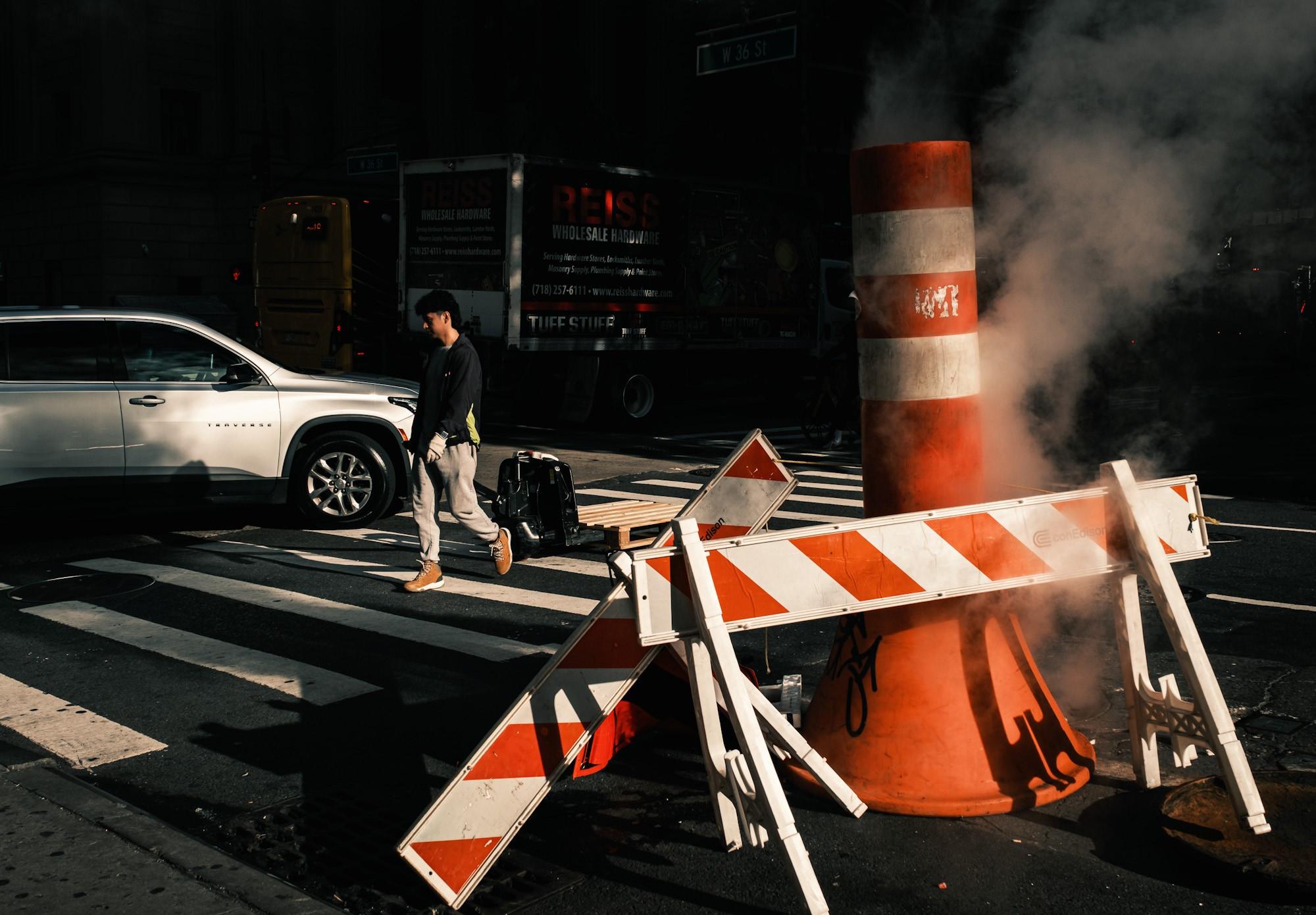
Many of my favorite images were taken with Fuji cameras.
They are small, discreet, easy to use.
And for street and travel photography they remain wonderful tools.
But I also need to be honest.
Right now I don’t clearly see a reason to continue building my system around Fuji.
Not because of image quality. My images have been published, awarded and accepted in contests.
No one has ever complained about their quality.
The real issues are:
• price
• lens availability
• autofocus performance
• system limitations
And when new cameras appear at prices close to full-frame systems, the decision becomes harder to justify.
What Happens Next?
Now I haven’t decided anything. I haven’t decided whether I will sell my Fuji gear.
I haven’t decided whether my next camera will be Nikon.
Or whether one day I will finally buy the Leica I’ve dreamed about for so long.

But one thing I do know. I feel a little disappointed with the direction Fuji has taken in recent years.
And that’s a strange feeling for someone who has spent so many years photographing with their cameras.
For now, I will keep using the gear I have.
And maybe one day I will save enough money that buying a Leica will no longer feel impossible.
Until then, I’ll keep photographing.
Fără comentarii