

09 mart. Building Myself as a Better Photographer – Why Photographing Close to Home Matters
Sometimes inspiration appears when you least expect it.
One morning I drove to Sinaia, a small mountain town about 90 minutes from Bucharest. I parked my car near the gondola station and took the cable car up to 2000 meters.
Standing there and waiting for my friends, I started thinking about photography.
About my trips, my travels abroad, and the many places I had photographed over the years.
And a simple question came to my mind:
What is the best way to become a better photographer?
The Problem with Travel Photography
Travel photography can be incredibly exciting.
You visit new places, explore beautiful landscapes, and discover cities you have never seen before.
But travel photography also comes with limitations.
Most trips are short.
We live busy lives, with limited vacation days and limited budgets. During a one-week trip, photographers often try to see as much as possible:
• visit many locations
• wake up early for sunrise
• chase sunsets
• move quickly from place to place
But when everything becomes a rush, something important is lost.
You stop experiencing the place itself.
You become obsessed with finding the perfect shot instead of enjoying the moment.
Photography Should Not Replace Experience
While traveling, my main goal is not photography.
My main goal is to experience the place:
• the streets
• the people
• the food
• the atmosphere
Photography should complement that experience, not replace it.
If you spend all your time searching for perfect light and perfect compositions, you might miss the real essence of the place you are visiting.
And in the end, photographs are supposed to preserve memories, not replace them.
A Simpler Approach to Photography
At some point I realized something important.
Instead of carrying expensive gear, a heavy backpack, and multiple lenses, I could simplify everything.
I moved to a lighter setup:
• two Fuji cameras
• two simple zoom lenses
• a small backpack
The tripod remained mainly for night photography, but everything else became simpler and lighter.
And that simplicity made photography more enjoyable again.
The Key Idea: Photographing Close to Home
While thinking about how to improve my photography, one idea became very clear.
Instead of always traveling far away, I could focus on photographing locations close to home.
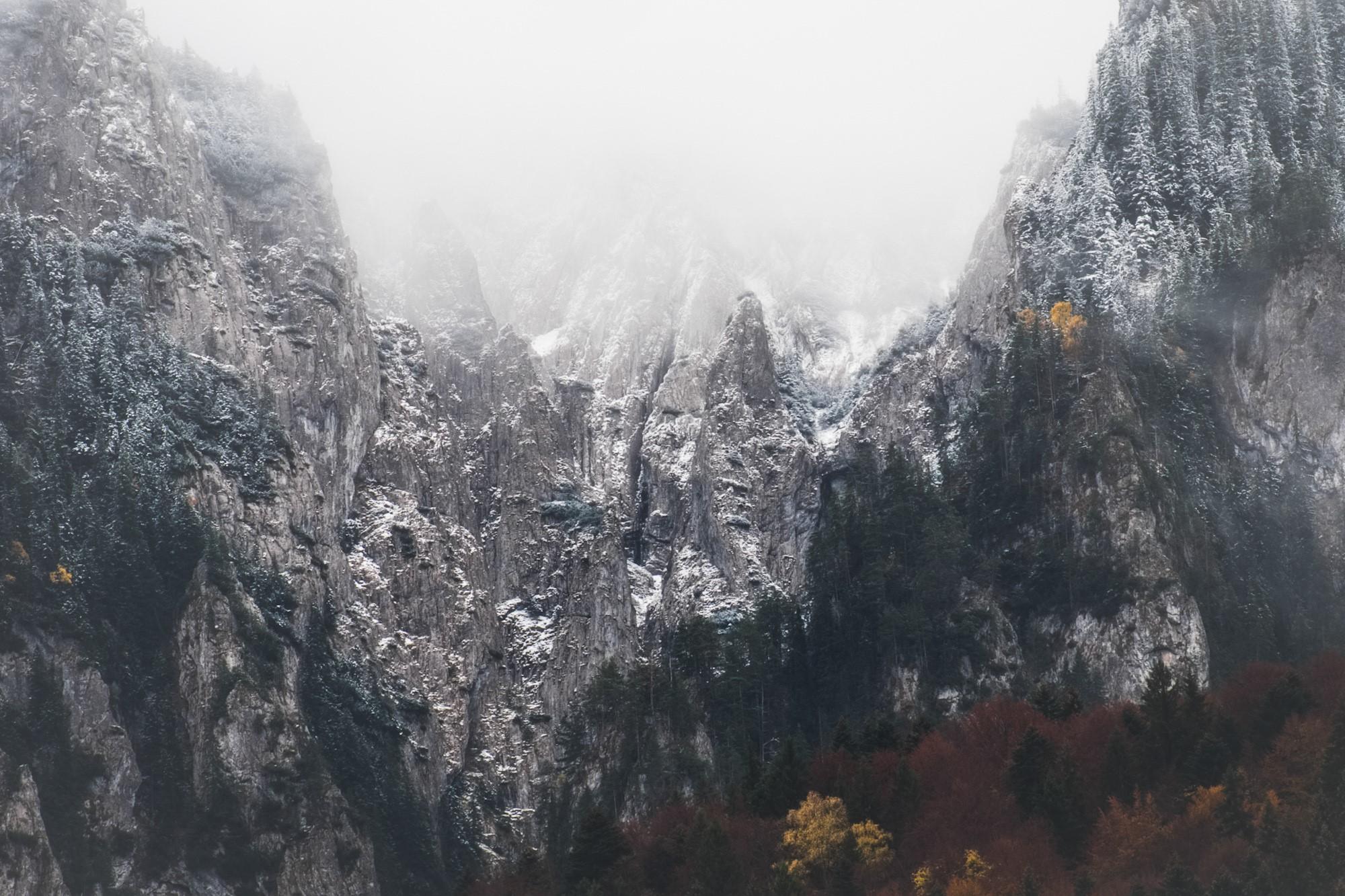
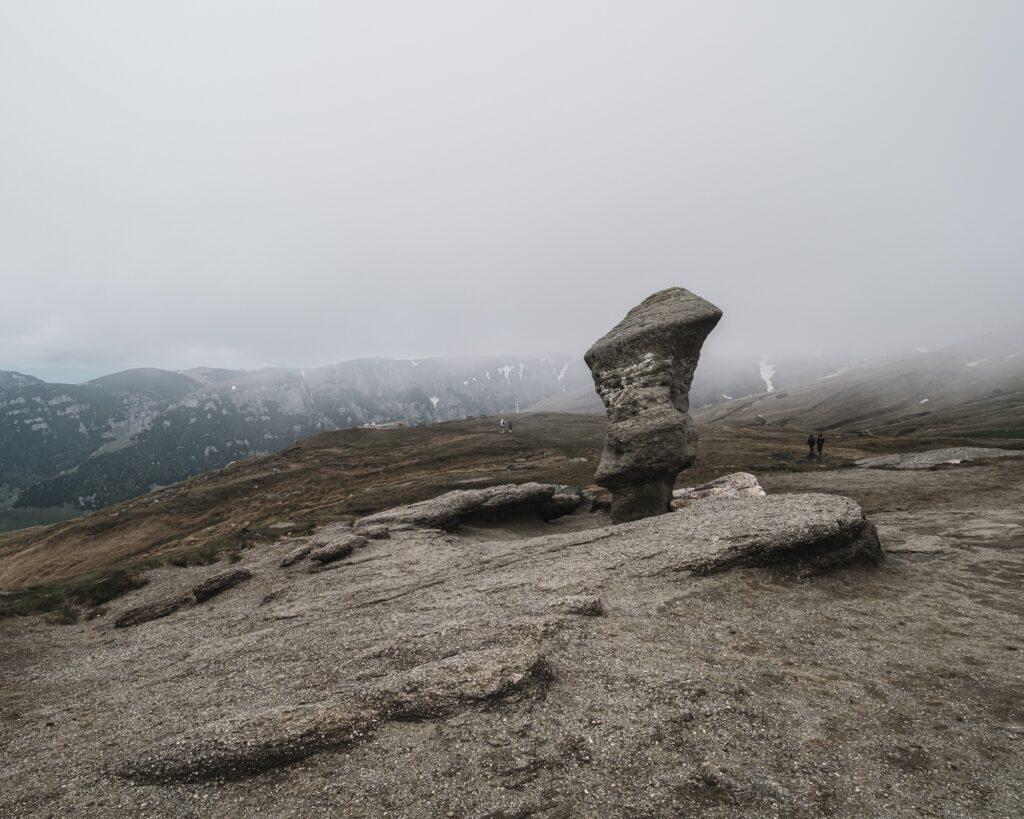
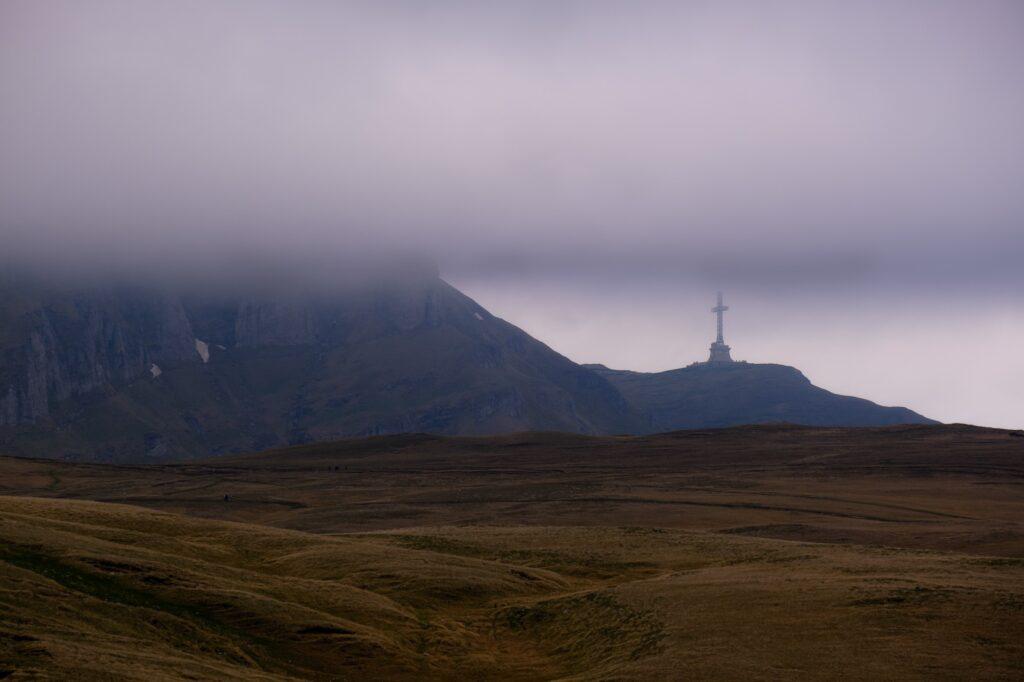
Within a radius of about 150–200 kilometers from Bucharest, there are several beautiful mountain areas:
• Bucegi Mountains
• Piatra Craiului
• Ciucaș Mountains
These places are close enough to reach in about one to two hours of driving.
That changes everything.
The Advantage of Returning to the Same Location
When you photograph a place many times, you start to understand it better.
You learn:
• where the sun rises
• where the best viewpoints are
• how the landscape changes with weather • how the seasons transform the scenery
Instead of hoping for the perfect conditions during a single visit, you can return many times:
• during sunrise
• during sunset
• during fog
• during snow
• during autumn colors
This repeated exploration allows you to truly master a location.
My Strategy for Building a Photography Portfolio
After thinking about this idea, I created a simple plan for improving my photography.
1. Find interesting locations close to home
I started searching for locations within a 150–200 km radius.
Sources of inspiration included:
• Instagram posts
• blogs
• travel websites
• recommendations from friends
2. Research the locations
Once I find an interesting place, I try to learn more about it:
• the best viewpoints
• sunrise and sunset directions
• hiking routes
• weather patterns
Local knowledge can make a huge difference.
3. Visit the location multiple times
Instead of visiting a location only once, I try to return during different seasons.
A place that looks ordinary in summer may become spectacular in winter or during foggy mornings.
Patience is essential.
4. Experiment with new compositions
Each visit becomes an opportunity to try something different:
• change the foreground
• isolate subjects
• use different lenses
• explore new angles
Photography improves through experimentation.
5. Observe how seasons change the landscape
Nature constantly transforms.
The same place can look completely different depending on:
• snow
• fog
• autumn colors
• spring vegetation
Returning throughout the year allows you to capture these transformations.
6. Take your time
One of the biggest advantages of photographing near home is time.
There is no pressure to rush.
You can stay in one place for hours, wait for the right light, and experiment freely.
7. Reduce costs
Photography can be an expensive hobby.
Traveling far away requires:
• flights
• accommodation
• car rentals
• equipment transportation
But photographing locations close to home costs very little.
A simple day trip might cost only a few euros in fuel and food.
And sometimes those trips produce some of the best photographs.
Lessons from a Year of Mountain Photography
Over the past year I spent many days hiking and photographing in the mountains.
Most hikes were around 10–20 kilometers, often at altitudes between 1500 and 2000 meters.
During these trips I also tested my Fuji cameras in various conditions:
• heavy rain
• cold weather
• temperatures around –5°C
The cameras performed reliably and the lightweight system made long hikes much easier.
Why Simplicity Matters in Photography
One of the biggest lessons I learned is that photography does not need to be complicated.
A simple setup, a few lenses, and a location you understand well can produce powerful images.
Instead of constantly searching for spectacular destinations, sometimes the best strategy is simply:
go back to the same place again and again.
Over time you begin to see things that you completely missed before.
Final Thoughts
Improving as a photographer does not always require expensive trips or exotic locations.
Sometimes the best way to grow is to focus on what is close to you.
Choose a few locations near your home.
Return to them repeatedly.
Observe how light, weather, and seasons transform the landscape.
And slowly, photograph by photograph, you will start building both a stronger portfolio and a deeper understanding of photography.
Fără comentarii