


11 mart. Fragmente — Building a Photographic Memory of Bucharest
When I started working on Fragmente, I knew I didn’t want to create a coffee-table book of pretty pictures. I wasn’t interested in perfect compositions meant to convince someone that Bucharest is charming and picturesque.
Quite the opposite.
This city is heavy. It’s layered and sometimes suffocating. But it is also alive in a way that smooth postcards never capture.
Fragmente was born from long, slow walks through streets I thought I already knew — only to realise how blind I had been.
Broken walls. Layers of graffiti. Abandoned objects. Plastic coffee cups. Tired faces rushing past. Quiet gestures nobody stops to notice.
This is the raw city I live in.
At first, I naively believed everything could fit into a single book.
Very quickly I learned something important: Bucharest refuses to be contained.
Its fragments multiply the more you look.
That’s why the project now has two volumes — and why I still feel the work is unfinished.
The second volume even changed direction.
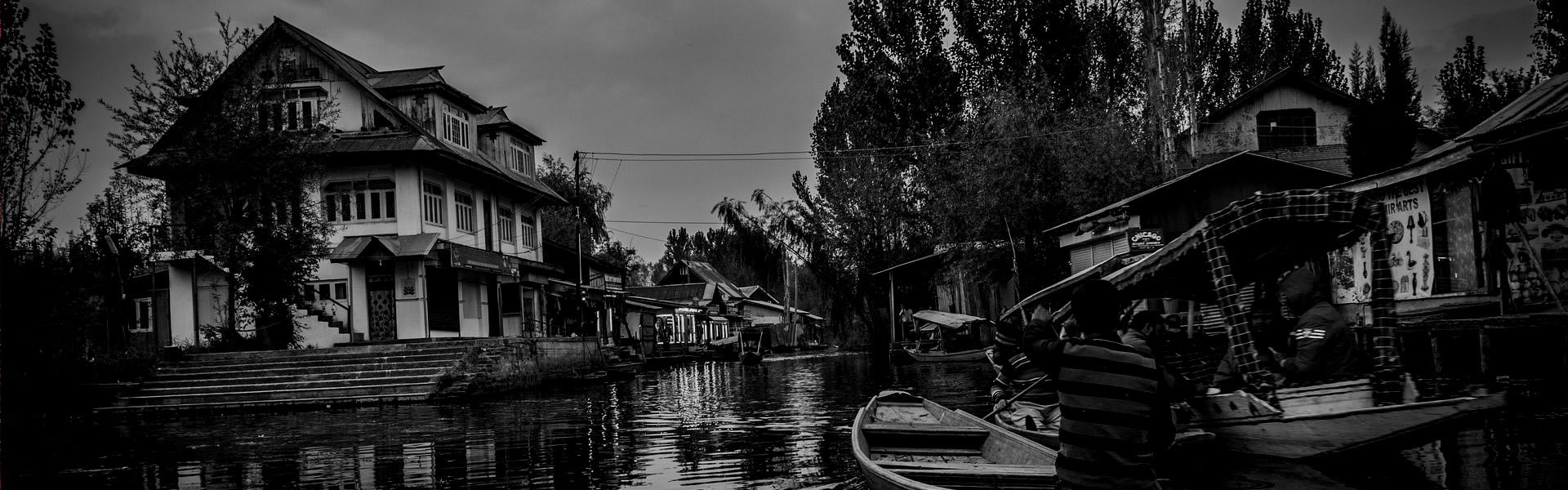
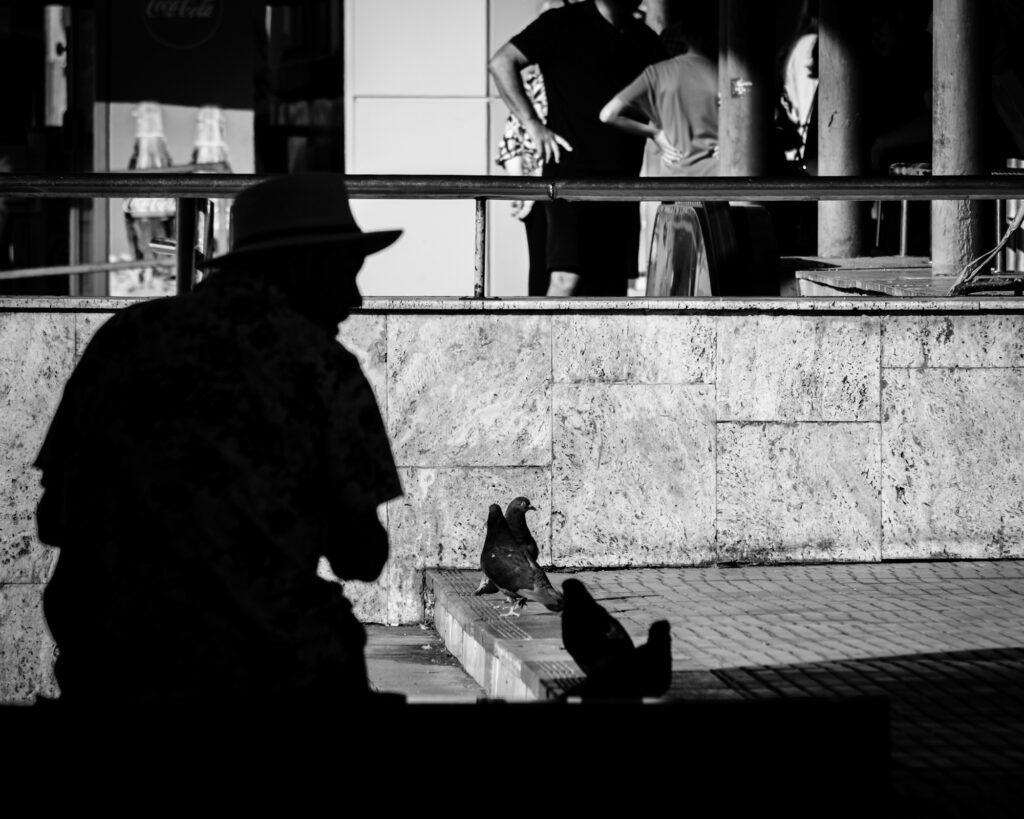
Some images deliberately lost their color so the eye could focus on shape, gesture and tension. Black and white stripped away distraction and revealed something closer to essence.
The book opens and closes with the same man reading a newspaper near Gara de Nord — a quiet act of resistance against a city that is always rushing somewhere.
For me, that circular structure became the key.
Life loops.
And so does this body of work.
Seeing the City Differently
At one point I believed that a photograph needed a human face to carry a story.
Social media seems to reward that.
Smiling strangers.
Perfectly framed portraits.
But walking through the city with a camera slowly taught me a different language.
Sometimes absence is the story. A broken window painted over with a child’s drawing. Layers of paper peeling from a door. A half-eaten sandwich left on a bench. Millions of small gestures we are simply too distracted to see.
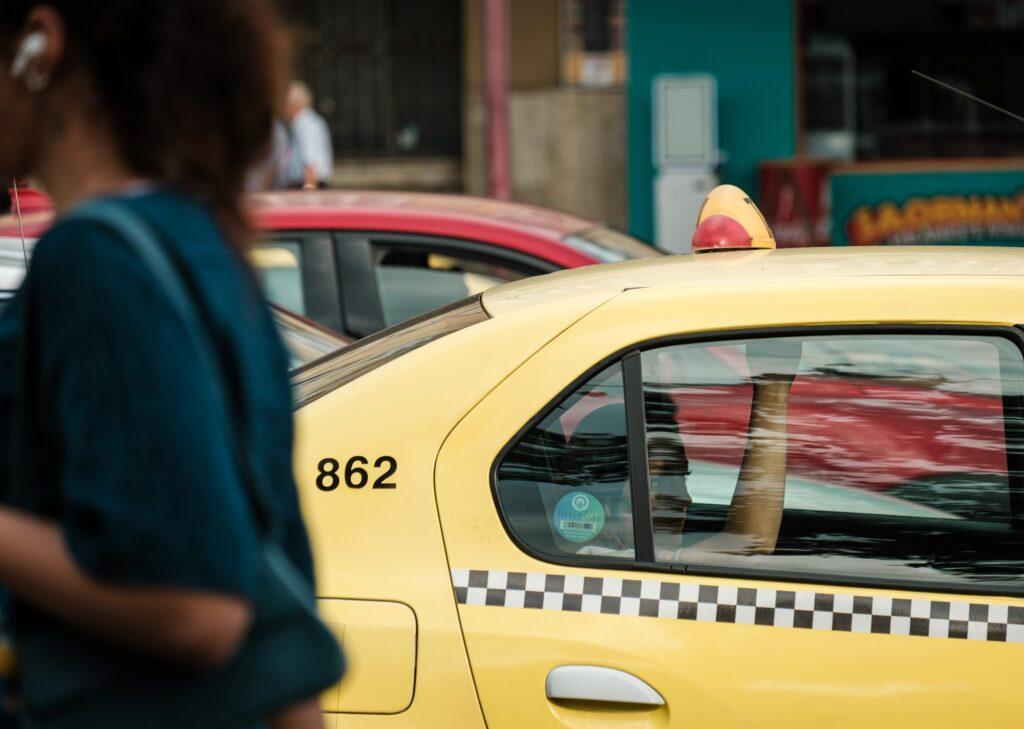
Even when people appear in the frame, they often become part of the texture rather than the center of the photograph.
They walk. They rush. They lean. They pause.
And the city quietly wraps around them.
That shift changed how I approached everything — gear, light, editing.
It was no longer about perfection.
It was about honesty.
A Very Small, Imperfect Kit
For a project that took so much time, the equipment was almost ascetic.
A Fujifilm X-S10 paired with only two lenses:
• Fujinon XF 35mm f/1.4
• Fujinon XF 55-200mm
That was the entire kit.
Both lenses were second-hand.
One bought in instalments from a small local camera shop.
The other found online for a fraction of its retail price.
The combined cost of the camera and lenses was still lower than a brand-new X-S20 or X-E5 today.
Yet this modest setup gave me everything I needed:
• lightweight mobility
• reliable autofocus
• colors I trust
• a camera small enough to move unnoticed
All editing happened on an iPad using Lightroom.
No expensive monitors.
No complicated color pipelines.
I usually started with Classic Chrome, whose calm cinematic palette felt right for the city.
But that was only the starting point.
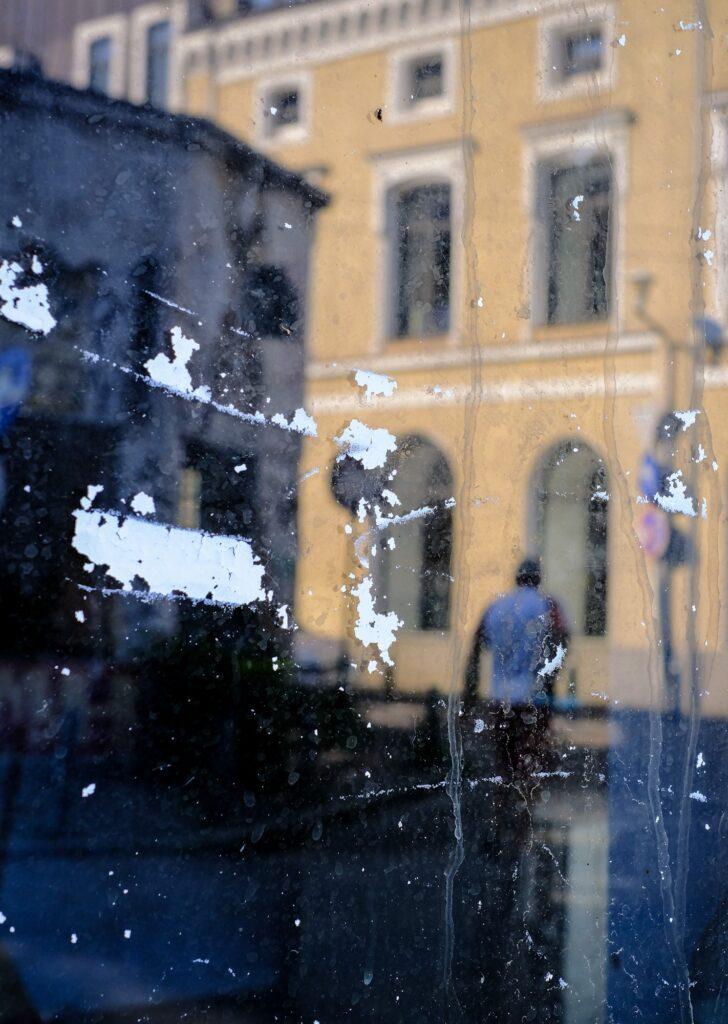
Some frames became warmer and nostalgic. Others colder and harsher. Shadows deepened. Highlights softened.
Always searching for the subtle interplay between light, surfaces and layers.
My visual references floated somewhere between Saul Leiter’s quiet poetry and Alex Webb’s layered street complexity, filtered through my own need for silence.
Not imitation — just influence.
The Editing Battle
The hardest part of the project wasn’t photographing.
It was editing.
Over eight months I shot roughly 12,000 photographs.
The first selection reduced them to about 840 images.
Then to 300. Then to 200. Then 180.
Eventually I printed contact sheets, spread everything on the floor and forced myself to be brutal.
In the end I kept roughly:
• 120 color images
• about 100 black & white photographs
That editing process taught me more than any camera upgrade ever could.
You must kill your darlings.
A great standalone photograph may have to disappear if it breaks the rhythm of the book.
A photobook is not a folder of “best shots.”
It is a living sequence.
Every page turn must feel inevitable — yet surprising.
Sometimes I rotated images.
Tested different pairings.
Rearranged the sequence again and again until a visual conversation began to emerge.
A strong photograph alone may weaken the sequence.
A quiet frame may become powerful when placed beside the right neighbor.
Themes Instead of Chapters
Early on I tried to structure the book with clear chapters.
It didn’t work.
Cities do not obey neat categories.
So instead I built the structure around themes:
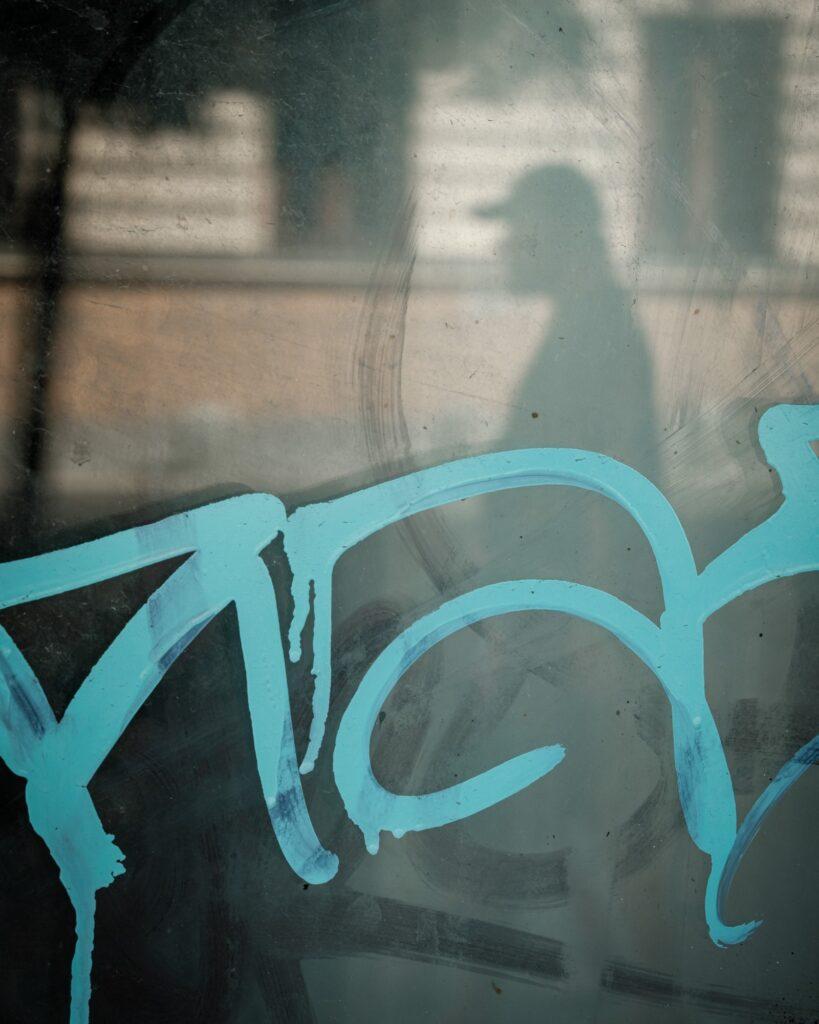
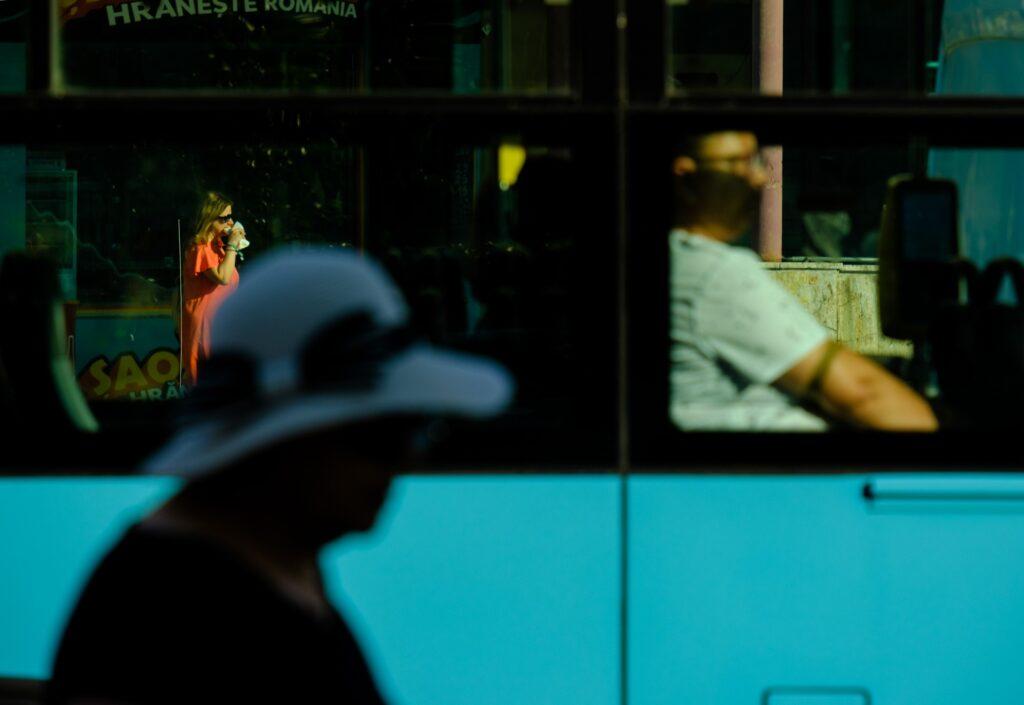
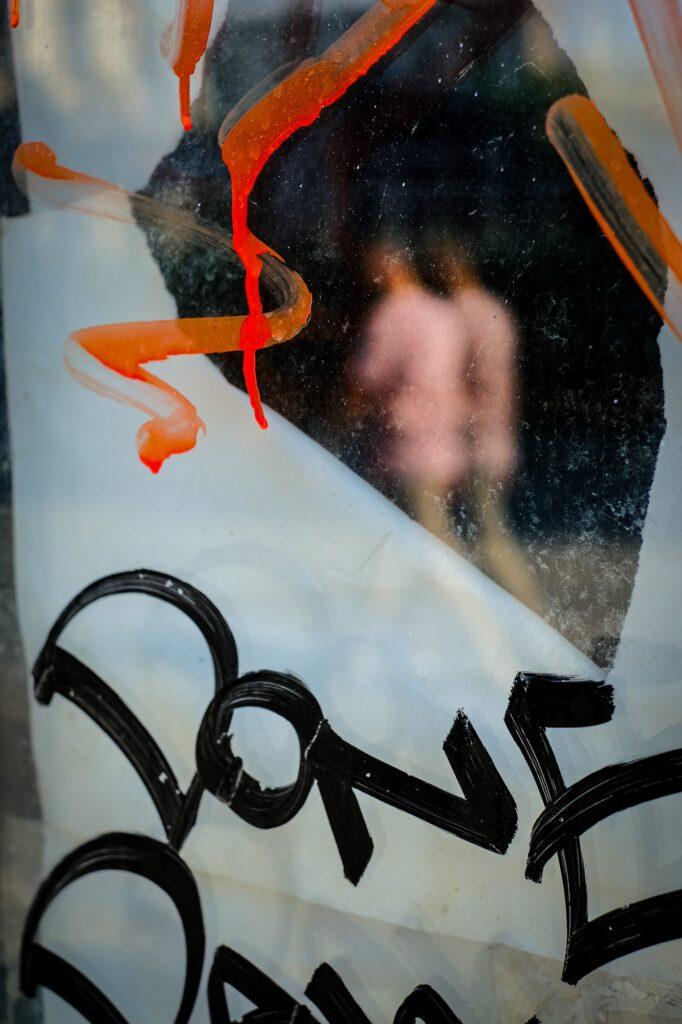
• urban reflections
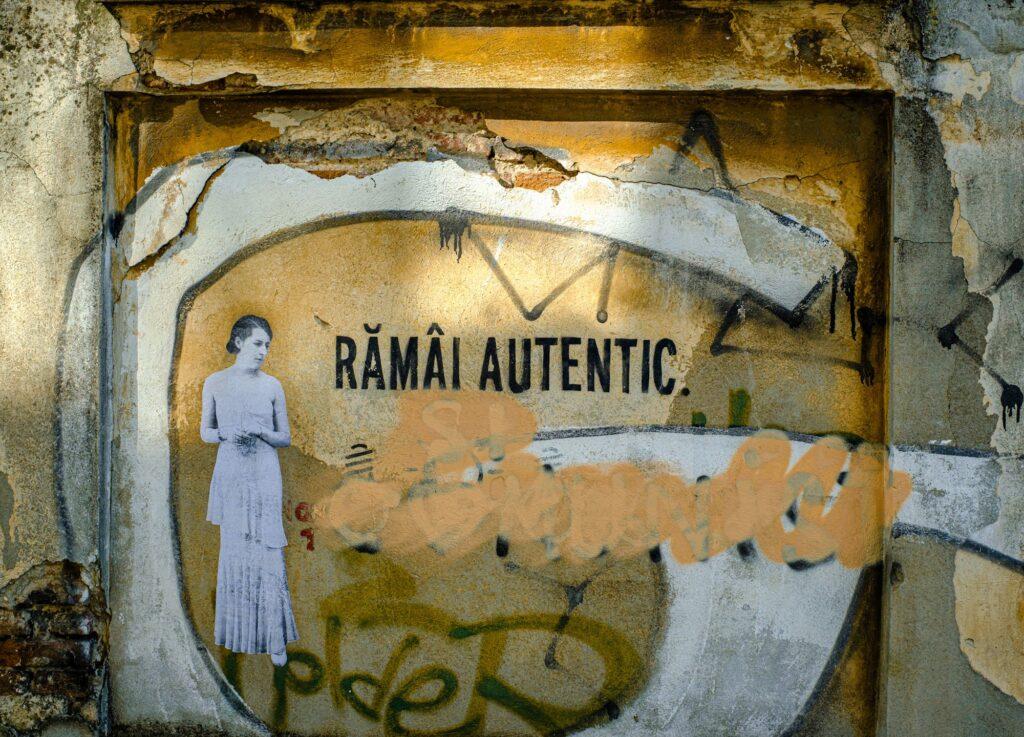
• graffiti and ironic messages
• small coffee rituals
• anonymous hands and gestures
• abandoned objects
• spontaneous street interventions
• layered urban textures
These are not rigid sections.
They are loose pathways that guide the eye.
They allow the book to breathe while maintaining coherence.
When turning a page you should never know exactly what comes next — just like when wandering through Bucharest.
A City of Contradictions
Bucharest is not conventionally beautiful.
It is fragmented.
Harsh.
And strangely tender at the same time.
Luxury SUVs parked beside houses filled with scrap metal.
Glass office towers rising next to crumbling ruins.
Businessmen in suits walking past broken windows covered with angry poetry.
Ambulances screaming through traffic while, two streets away, a park sits in total silence.
I didn’t want to hide that chaos.
Or transform it into an inspirational story.
I wanted honesty.
Some spreads feel heavy.
Almost claustrophobic.
Others suddenly open into light and space.
That tension is exactly what the city feels like.
Time and Memory
Part of this project was driven by a quiet fear.
Things disappear faster than we notice.
Entire streets change overnight. Cafés appear and vanish. Walls are repainted. Graffiti erased. People replaced.
Photography is my way of holding a fragment of that time before it disappears.
Not because the past was better.
But because it is real and unrepeatable.
The man with the newspaper.
The peeling poster.
The lonely bench.
Tomorrow they will all be different.
That is why the project is called Fragmente.
Cuts of time.
They do not pretend to be whole.
But together they create a truthful memory.
Simple Tools, Long Commitment
If there is one thing I hope other photographers take from this project, it is this:
You do not need the newest gear to create meaningful work.
This entire body of work was created with second-hand equipment and edited on an iPad while drinking coffee.
What you need is something else entirely:
• curiosity
• time spent walking
• patience to observe
• discipline to edit thousands of frames into a story
And the courage to accept that your subject — your city, your life — does not need to be beautiful to be meaningful.
Living with the Work
Even now, after two volumes, I know Bucharest isn’t finished with me.
The city keeps shifting.
New fragments appear every week.
But for now these books feel like a pause.
A map of small truths before they disappear.
I’m proud that something so personal slowly grew into a body of work with its own voice.
It is still imperfect.
But that is the point.
Cities are not tidy.
And neither are the stories we tell about them.
If these images make someone stop scrolling for a moment, notice their own streets differently, or believe that meaningful photography can be created with simple tools — then Fragmente has already done its job.
Fără comentarii