

12 mart. Camera or Phone — Do You Really Need a Camera?
Do you really need a camera anymore? Or is your phone enough for everyday photography and travel?
Welcome to another small rant about photography. In this article I want to talk about one of the most common questions people ask today: camera vs phone photography.
Modern smartphones have become incredibly powerful. Many people travel with nothing more than a phone in their pocket and still manage to take beautiful images.
But does that mean dedicated cameras are no longer necessary?
I will start with a blunt statement.
If you don’t own a camera, you will miss certain things in photography.
But the real question is: do you need those things?
Because owning a camera also comes with a certain burden:
• a camera body
• lenses
• batteries
• memory cards
• a bag to carry everything
For many people, a phone is simply easier. So let’s explore the real differences between phones and cameras.
A Note on Time and Technology
Before going further, it’s important to mention that this article was originally written several years ago, when the gear mentioned here — such as the Huawei Mate 10 Pro and the Fujifilm X-T1 — was part of my everyday setup.
Technology has obviously evolved since then.
Today we could easily compare something like an iPhone 16 with a modern mirrorless camera such as the Fujifilm X-M5, and the technical differences would look quite different on paper.
However, the goal of this article is not to focus on specific models, but on the ideas behind them. The principles discussed here — sensor size, noise, dynamic range and photographic flexibility — remain the same regardless of the exact devices we use.
So instead of focusing too much on the exact gear mentioned, try to look at the broader lessons and what they teach us about photography.
The Gear Used in This Comparison
For the original comparison I used two devices that I owned at the time:
My phone:
Huawei Mate 10 Pro
My camera:
Fujifilm X-T1
The Huawei phone has a 20-megapixel camera, while the Fuji X-T1 has only 16 megapixels.
At first glance, you might think the phone should produce better images simply because it has more megapixels.
But photography doesn’t work like that.
Instead of diving too deeply into technical terms like shutter speed, ISO or RAW files, I want to focus on two simple questions that matter much more:
Where will you view your photos?
And do you plan to print them?
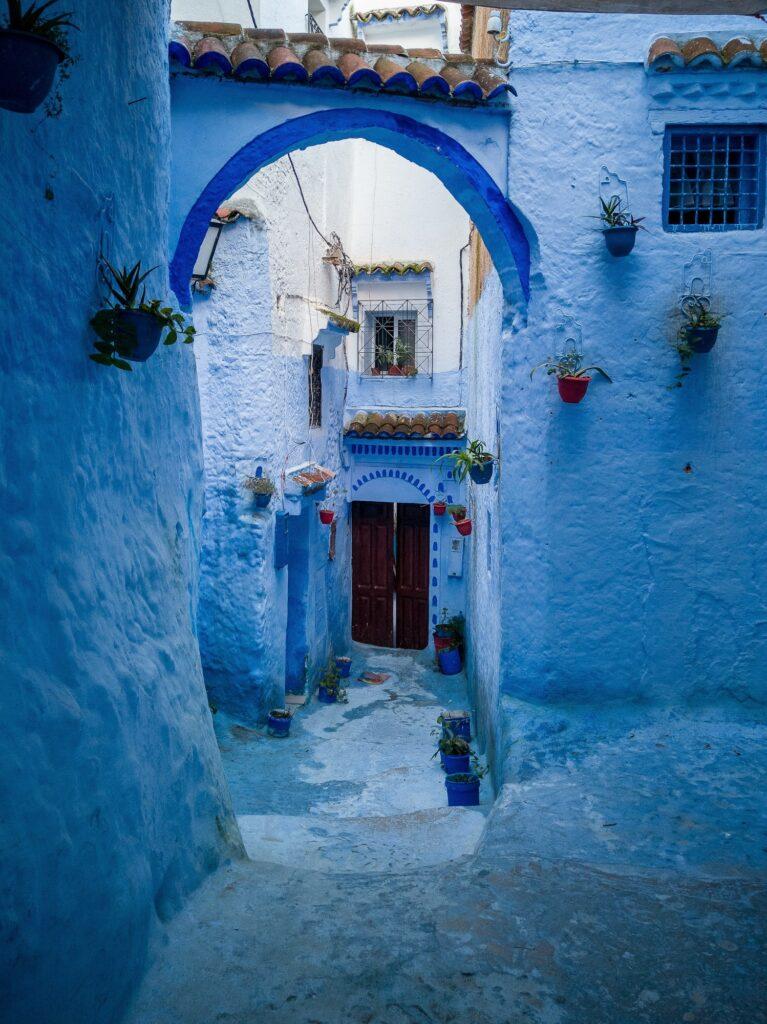
When a Phone Is Good Enough
Let me give you a real example.
I once took a photograph in Pisa with my Huawei phone and later printed it in a photo album containing my favorite pictures from that year.
And the truth is simple: the image printed perfectly fine.
Why?
Because it was a simple scene.
Everything was relatively close to the camera and the lighting conditions were good. There was no need for huge dynamic range, extreme sharpness or complex depth of field.
These are exactly the types of photographs where smartphones perform very well:
• travel snapshots
• street scenes
• architecture details
• food photography
• casual moments
If the light is good and the composition is simple, a modern phone can produce images that look great even when printed.
Where Cameras Start to Win
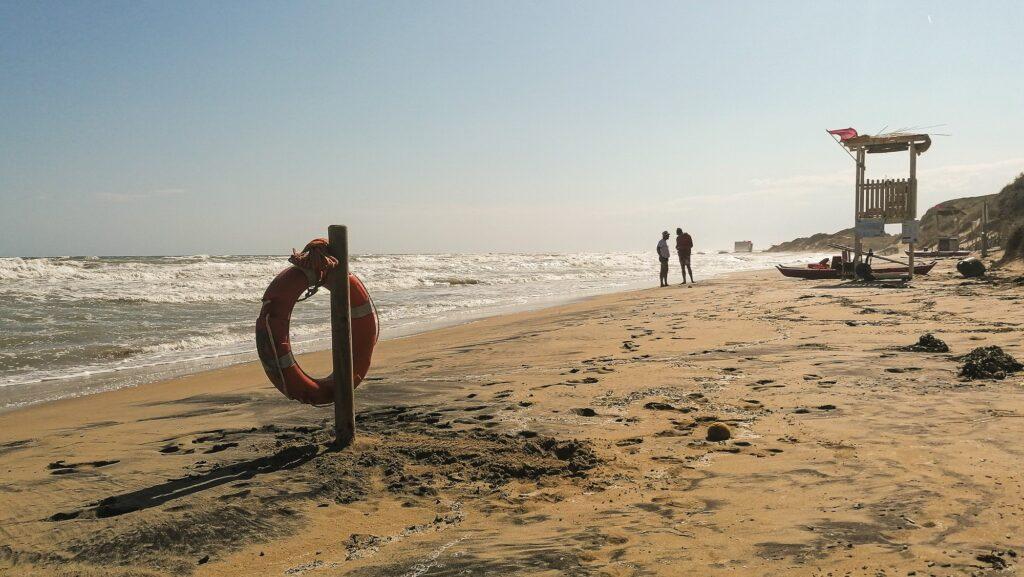
But things start to change when photography becomes more demanding.
Try taking:
• a night photograph
• a long exposure
• a landscape with strong contrast
Then try printing that image.
This is where the difference between phones and cameras becomes obvious.
These types of photos rely heavily on:
• dynamic range
• sensor size
• noise control
• depth of field
Side by side, my 16MP Fujifilm X-T1 easily outperforms the Huawei phone, even though the phone technically has more megapixels.
Megapixels alone do not determine image quality.
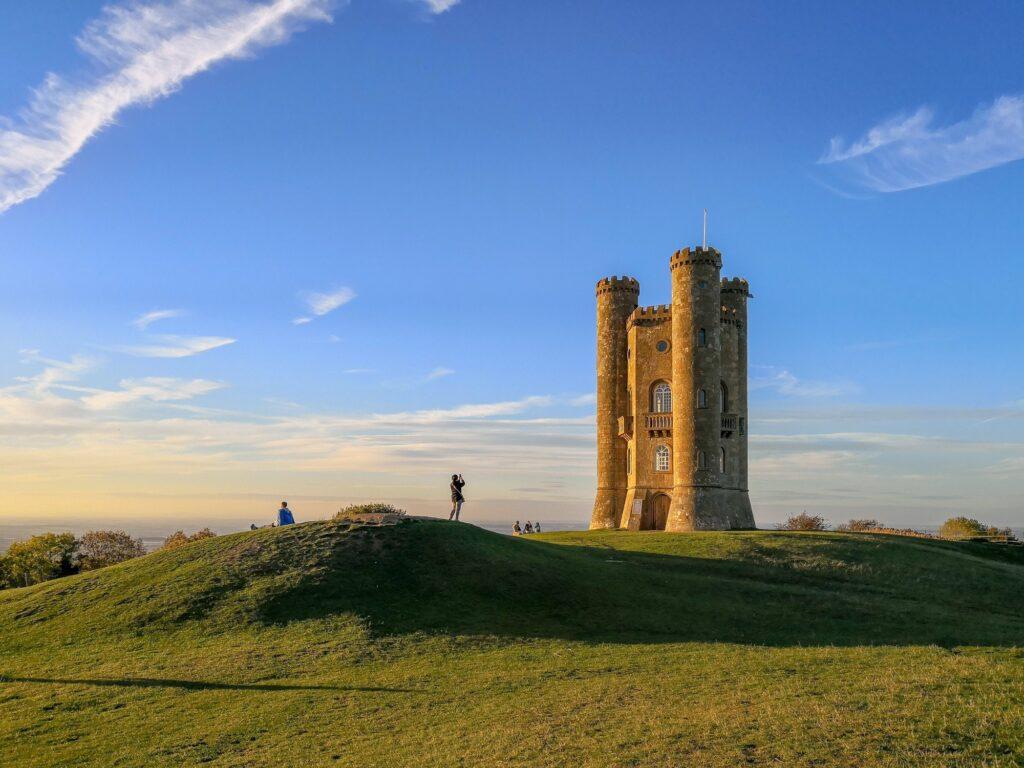
The Importance of RAW Files
One interesting feature of my Huawei phone was its Pro Mode, which allowed shooting in RAW.
This is extremely useful.
RAW files contain much more information than JPEG files, which allows you to recover:
• highlights
• shadows
• colors
• exposure mistakes
If a photo is slightly underexposed or overexposed, editing a RAW file can often recover details that would be lost in a JPEG.
However, even shooting RAW on a phone cannot fully close the gap between smartphones and dedicated cameras.
Especially in difficult lighting situations.
ISO and Image Noise
One of the biggest differences between phones and cameras appears when we talk about ISO sensitivity.
ISO determines how sensitive the camera sensor is to light.
Higher ISO allows you to shoot in darker environments, but it also introduces noise, which appears as grain in the image.
My Huawei phone technically allowed ISO up to 3200, but realistically images started degrading much earlier — usually below ISO 800.
My Fujifilm X-T1, on the other hand, could produce very usable images even around ISO 1600.
And this difference becomes obvious when:
• zooming into photos
• viewing them on large screens
• printing photographs
Noise that might look acceptable on a phone screen becomes much more visible on larger displays.

When Buying a Camera Makes Sense
If you only photograph simple scenes in good lighting conditions, a smartphone may be perfectly sufficient.
But if you want more control, more quality and more creative freedom, a dedicated camera quickly becomes the better tool.
Especially if you want to explore photography genres like:
• landscape photography
• sports photography
• wildlife photography
• astrophotography
• long exposures
• large prints
These are situations where smartphones simply cannot compete with dedicated cameras.
You Don’t Need an Expensive Camera
The good news is that you don’t need the newest or most expensive gear.
Many excellent cameras from previous generations are extremely affordable today.
While writing this article I checked some prices on a Romanian marketplace and quickly found:
• Olympus OM-D E-M10 Mark II with kit lens — around 400€
• Olympus OM-D E-M5 — around 250€
• Sony A6000 with kit lens — around 350€
These cameras are more than capable of producing professional-level images.
And they cost less than many modern smartphones.
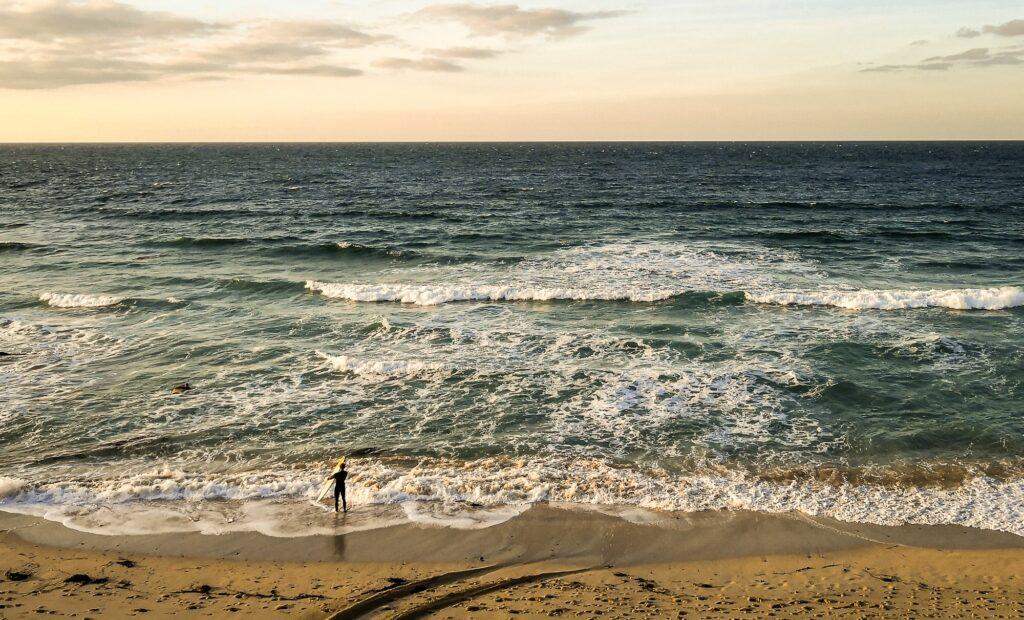
Final Thoughts
Phone photography has improved tremendously in recent years.
For everyday photography, travel memories and social media, a good smartphone can produce excellent results.
But if you want to push photography further — if you want to print your images, view them on large screens, or explore more demanding genres — a dedicated camera still offers significant advantages.
And the best part?
You don’t need the newest model.
Start with a used camera, go out and take thousands of pictures. Observe how your eye evolves, how your compositions improve and how your understanding of light changes.
Photography is a journey.
And the more you shoot, the better it becomes.
Fără comentarii