

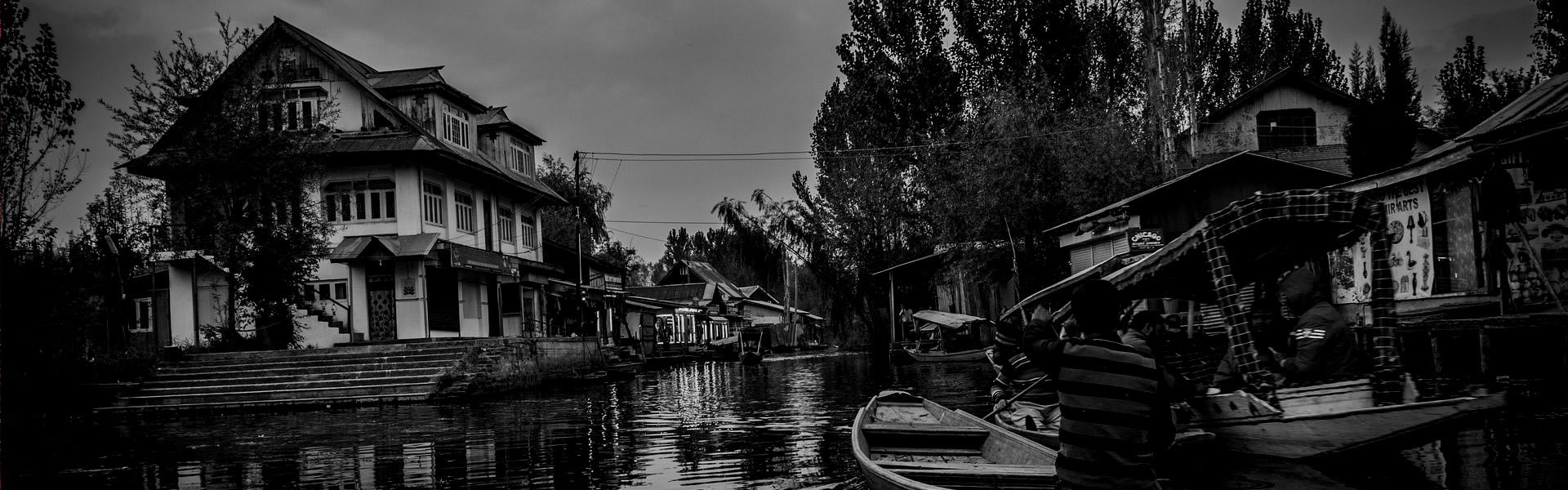
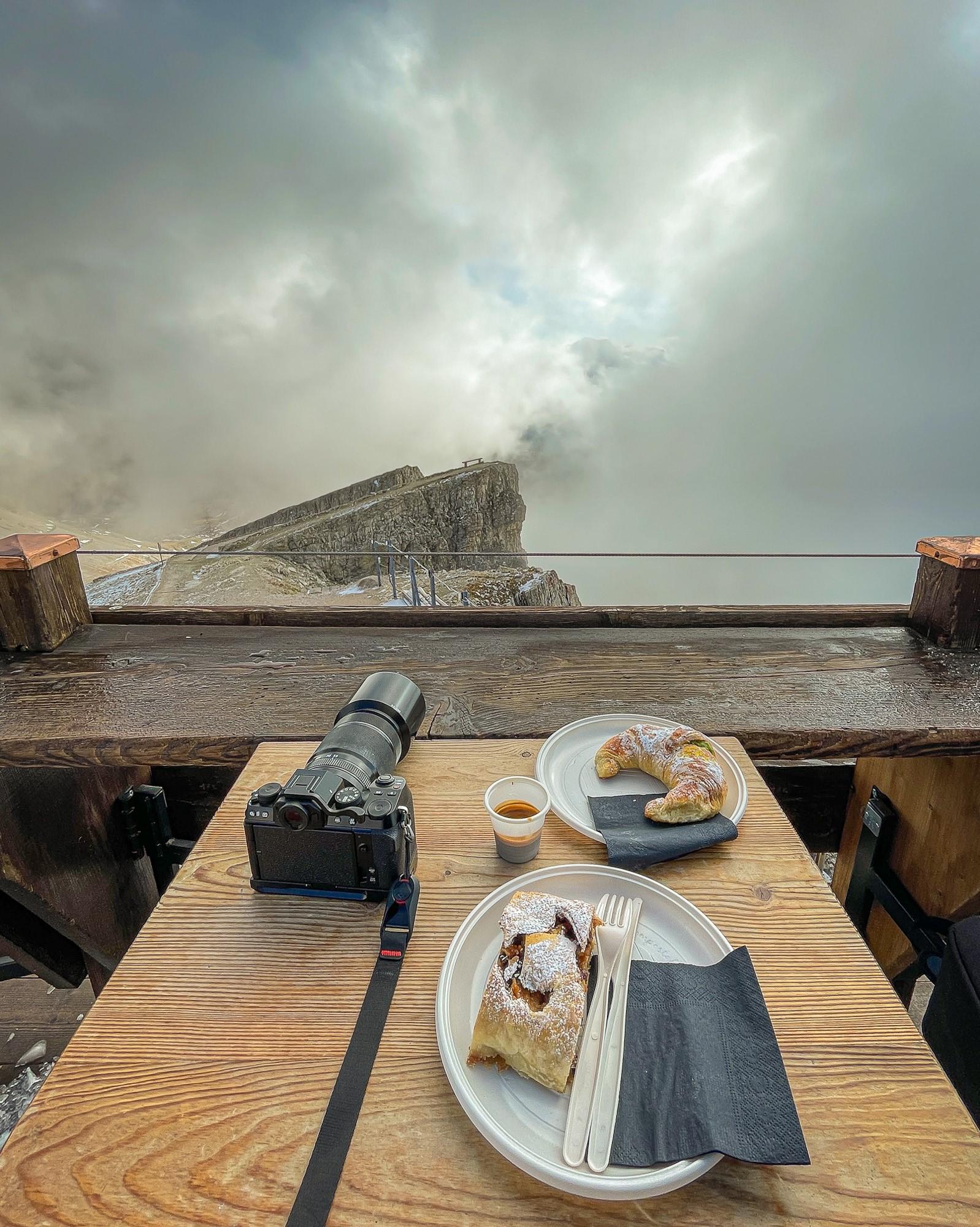
12 mart. Are Fujifilm simulations killing photography?
I know this will sound like an unpopular opinion, maybe even a kind of blasphemy in the Fuji community. But I need to say it: perhaps Fuji’s famous film simulations are not elevating photography but slowly killing it.
That might seem like a dramatic statement, especially since these simulations are celebrated everywhere. They are one of the main reasons many people buy Fuji cameras in the first place.
And I understand the appeal.
They look beautiful.
They are pleasing straight out of the camera.
They give you the sense that your photo has already been polished into something artistic.
On social media, they almost guarantee a quick stream of validation.
But at the same time, I believe they risk erasing something far more important: authenticity, individuality, and ultimately the soul of the photograph.
Because for me, photography has never been about pressing a button and letting a camera decide the “look” of my image.
It has always been about the way I see the world.
The way light moves across a street.
The way colors mix in the chaos of a market.
The emotions I feel when I press the shutter.
A photograph should contain something from me — a trace of my personality, my perspective, my voice.
When all I do is apply a simulation, that part slowly disappears.

The Rise of the Film Simulation Aesthetic
I’ve started to notice that more photographs, especially online, look the same.
Whether you are in New York, Tokyo, or Bucharest, the Classic Chrome aesthetic produces the same muted tones, the same shadows, the same atmosphere.
It flattens the diversity of the world into a uniform palette.
Instead of revealing what is unique in a scene, it erases it.
And the danger goes even further.
Many photographers add:
• artificial grain
• fake vintage textures
• layers of “old film” aesthetics
These effects are meant to imitate character.
But often they produce the opposite.
They don’t reveal personality.
They hide it.
They replace genuine expressions with a costume.
What the Masters of Photography Teach Us
Think about the history of photography.
The most memorable images — the ones that still move us decades later — were never created through presets.
Henri Cartier-Bresson didn’t rely on a button to give him a look.
Saul Leiter didn’t press a switch for poetic color.
William Eggleston didn’t have Classic Chrome or Velvia.
He had something far more powerful: his own uncompromising vision of color.
Harry Gruyaert.
Vivian Maier.
All of them left us work that is instantly recognizable.
Not because they shared a recipe.
But because they spoke with their own visual language.
Their photographs endure because they are personal.
Unrepeatable.
Deeply human.
A Moment in the Dolomites
When I think about this, I can’t help but return to one of my own experiences.
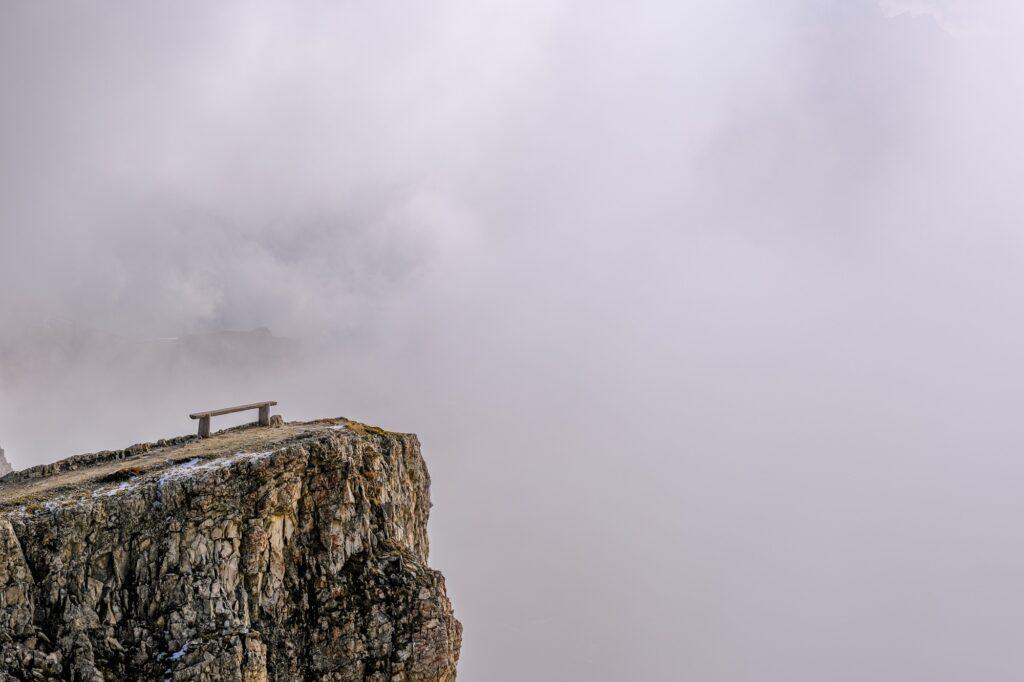
Last year I traveled through the Dolomites, one of the most spectacular mountain regions in Europe.
It is a place where landscapes change character from one moment to the next.
During that trip I saw two very different kinds of photographs.
On one hand, images that were truly remarkable.
Photographs made by people who waited for the right light, studied the scene carefully, and worked each frame with patience.
On the other hand, I saw countless images that were shot quickly and then covered with the same preset.
They all looked identical.
Flat.
Lifeless.
Drained of meaning.
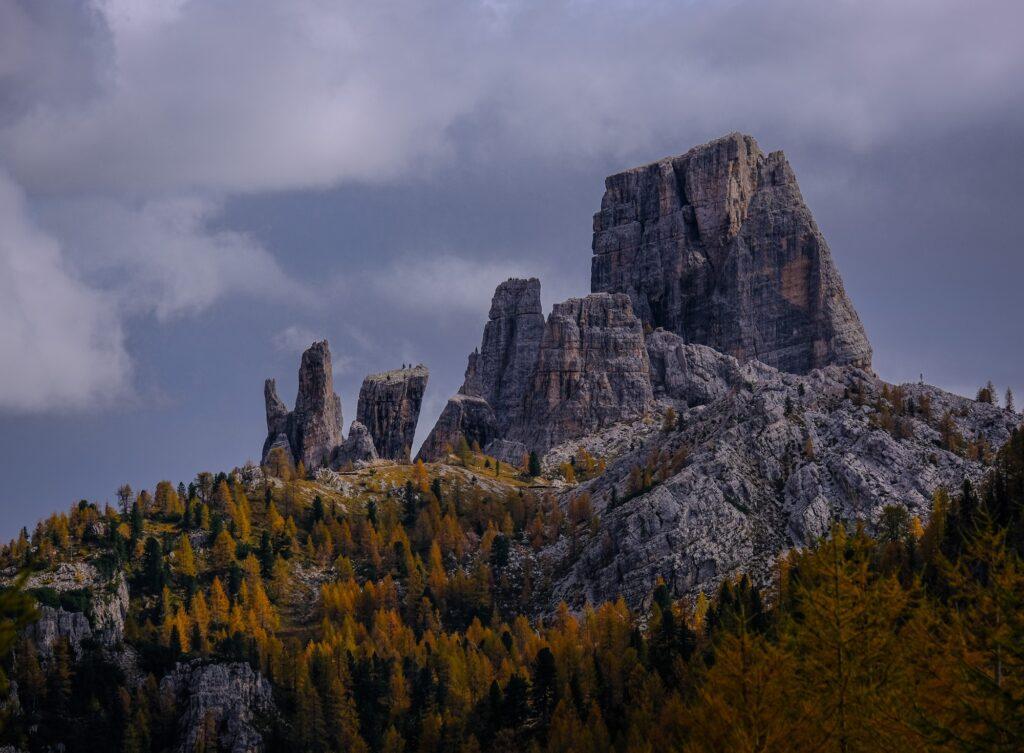
I remember standing in front of a mountain range one morning.
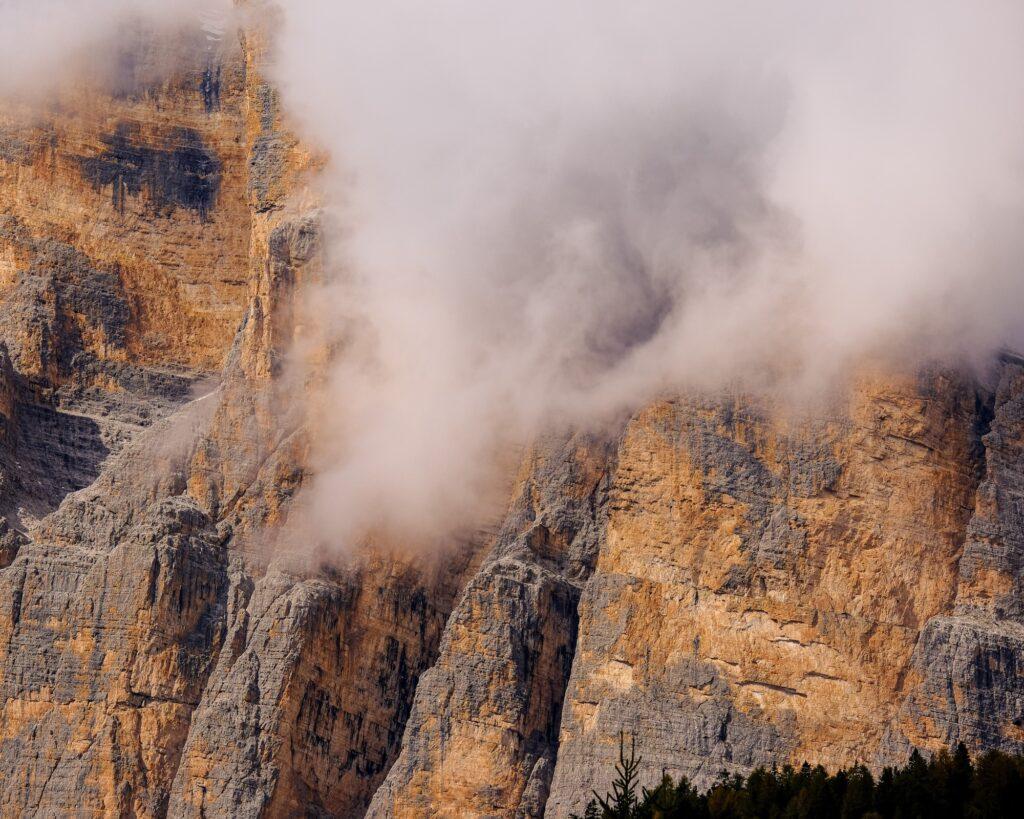
On the left side, the peaks were burning red in dramatic sunrise light.
On the right side, dense fog wrapped around cold, bluish summits.
Two completely different atmospheres.
Two completely different emotional realities.
How could a single preset do justice to both scenes?
It couldn’t.
Each demanded its own interpretation.
Each carried its own emotional truth.
To reduce them to the same filter felt like betraying the uniqueness of the moment.

Why Every Photograph Deserves Individual Attention
That experience reminded me of something simple.
Every photograph deserves individual attention.
If you care about your work — if you truly love your photographs — you cannot treat them like items on a conveyor belt.
They are not meant to be pressed into the same mold.
Yes, shooting RAW is less convenient.
Yes, it takes more time.
But that is exactly the point.
Editing forces you to engage with the photograph.
It forces you to make choices.
It forces you to interpret the image rather than letting a preset decide for you.
And in doing so, it keeps photography alive as an art form, not just a product for quick consumption.
The Danger of Instant Validation
Film simulations offer something extremely tempting.
Instant validation.
The photo looks great on the back of the camera.
You post it.
The likes arrive.
And suddenly it feels like you created something important.
But how many of those images remain in people’s minds?
How many of them echo in memory the way a Leiter or Cartier-Bresson photograph does?
Very few.
Because what is missing is not technical quality.
What is missing is personal voice.
Art does not come from shortcuts.
Art does not come from recipes.
Art comes from struggle.
From mistakes.
From experimenting and discarding.
From discovering who you are as a photographer.
When we hand that process over to a simulation, we lose the very thing that makes photography meaningful: subjectivity.
When Film Simulations Become a Crutch
Please don’t misunderstand me.
I’m not saying Fuji’s film simulations are worthless.
They can be fun.
They can be useful.
They can even help beginners explore color and atmosphere.
But the danger appears when they stop being a tool and become a crutch.
When they replace vision instead of supporting it.
And that leads back to an uncomfortable question.
How much of you remains in the photograph when all you do is apply a film simulation?
How much of your vision survives that process?

Final Thoughts
Photography has always been a way to look deeper at the world.
But also to look deeper at ourselves.
If we reduce it to presets and filters, we risk losing that journey.
We risk losing the very thing that makes photography unforgettable.
The challenge is simple — but not easy.
Resist the shortcut.
Honor the individuality of each frame.
Edit your images with the same care with which you took them.
Because only then can a photograph rise beyond the endless scroll of social media and remain alive in the memory of those who see it.
Perhaps that is where true art begins.
Not in pressing a button.
But in daring to bring yourself fully into the image.
Fără comentarii