

10 mart. My Favorite Fuji Lens — Why the Fujifilm 55-200mm Is Still My Best Investment
During the last few years of shooting with Fujifilm, I’ve owned and tried quite a bit of gear.
And since there is an old saying in photography that goes, “date the camera, marry the lens,” today’s article is about a special lens — one that has spent more time on my small X-T20 than any other lens in my Fuji kit.
Before I tell you more about it, here are some of the lenses I’ve owned for the Fujifilm X system:
• XC 15-45mm
• Samyang 12mm f/2
• two copies of the 18-55mm
• 50-230mm OIS I and II
• 23mm f/2
• two copies of the 35mm f/2
• 50mm f/2
I also briefly used the 56mm f/1.2 and the 90mm f/2.
But none of those lenses got as much real-world use as my Fujifilm 55-200mm.
It is, by far, the lens I consider my best investment in the Fuji X system.

Why the 55-200mm Became My Favorite
Because lenses are not cheap — and Fuji lenses are no exception — I have a few simple conditions before I can truly say a lens deserves my approval.
First, it must be versatile.
With an equivalent field of view of roughly 75-300mm, the 55-200mm covers a surprising number of situations.
I have used it for:
• landscapes
• travel photography
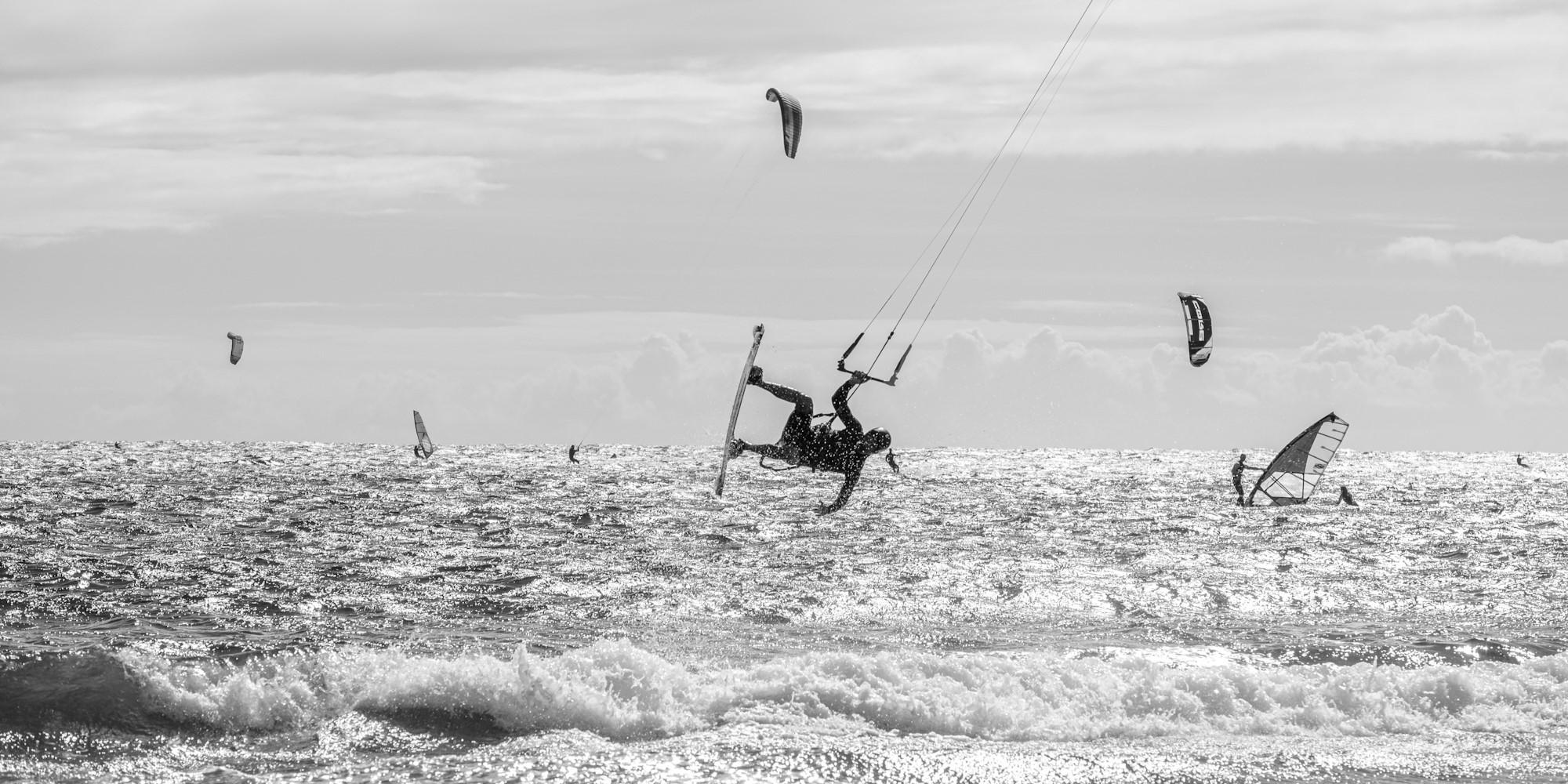
• sports
• product photography
• portraits
That, for me, is what versatility means.
Second, it needs to have a reasonable price.
I bought my copy for 330 euros, just out of warranty and in excellent condition. For what it offers, I still think that was an absolute steal.
Third, it helps a lot if it has a normal filter size.
I don’t enjoy buying special filters for one single lens. My existing filter kit and step rings work well with lenses in the 67mm to 77mm range, so I always appreciate gear that fits into that ecosystem.
Is the 55-200mm Perfect?
Not at all.
The lens has flaws.
It becomes softer beyond 150mm, the autofocus is a bit slow by modern standards, and it is not an internal zoom.
But once you understand what it does well — especially between 55mm and 150mm — it becomes very easy to appreciate.
For its age, size and price, I think it remains one of the most underrated Fuji lenses.
Below, I want to talk about the main genres in which I used it and how it behaved in real shooting situations.
Sports Photography with the 55-200mm
I started shooting sports in January 2021, and it quickly became one of my favorite things to photograph.
In fact, I enjoyed sports so much that I eventually invested in a second-hand Nikon body and started renting lenses for important events.
You may disagree with me, but I still believe that sports is one area where Fujifilm remains behind the competition.
I have always enjoyed shooting Fuji and praised the system where it deserves praise. But sports is another story.
I used the 55-200mm as a backup lens at:
• a World Cup ski jumping event
• Champions League handball games
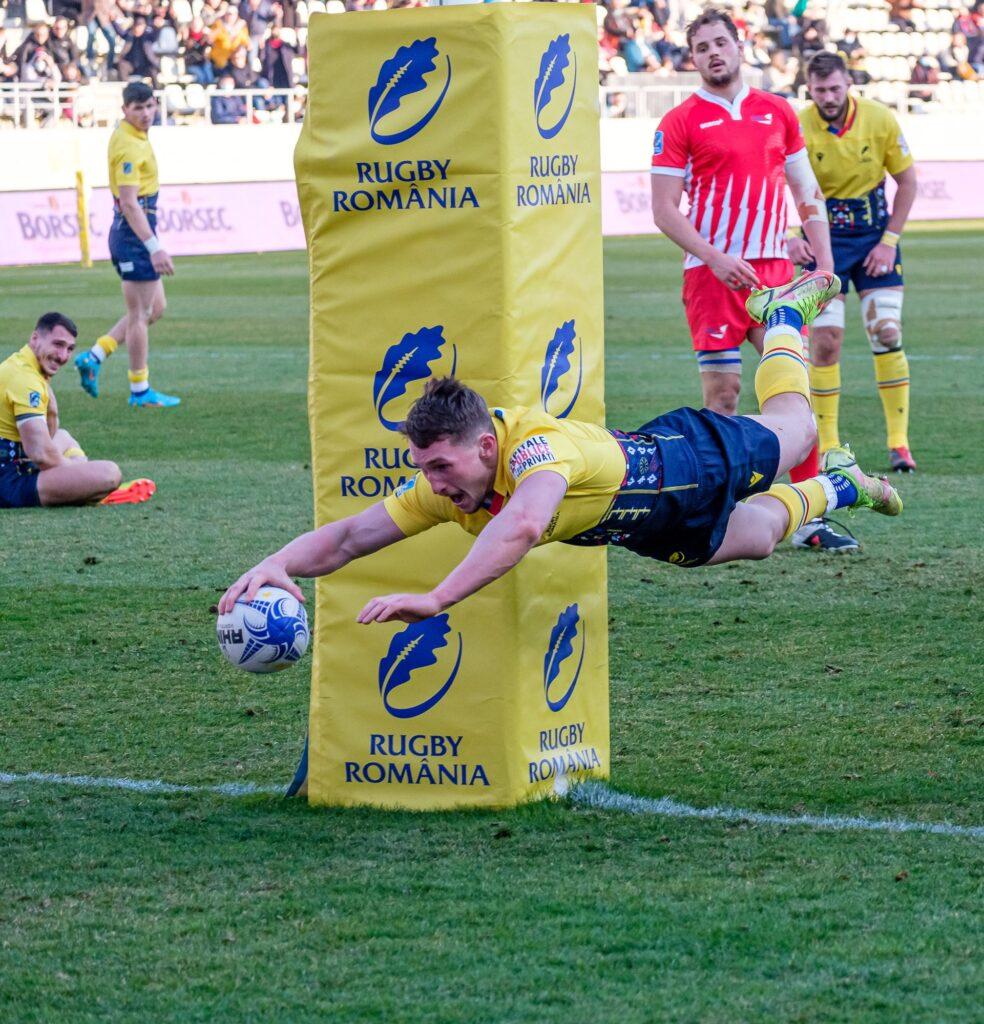
• European Rugby Championship matches
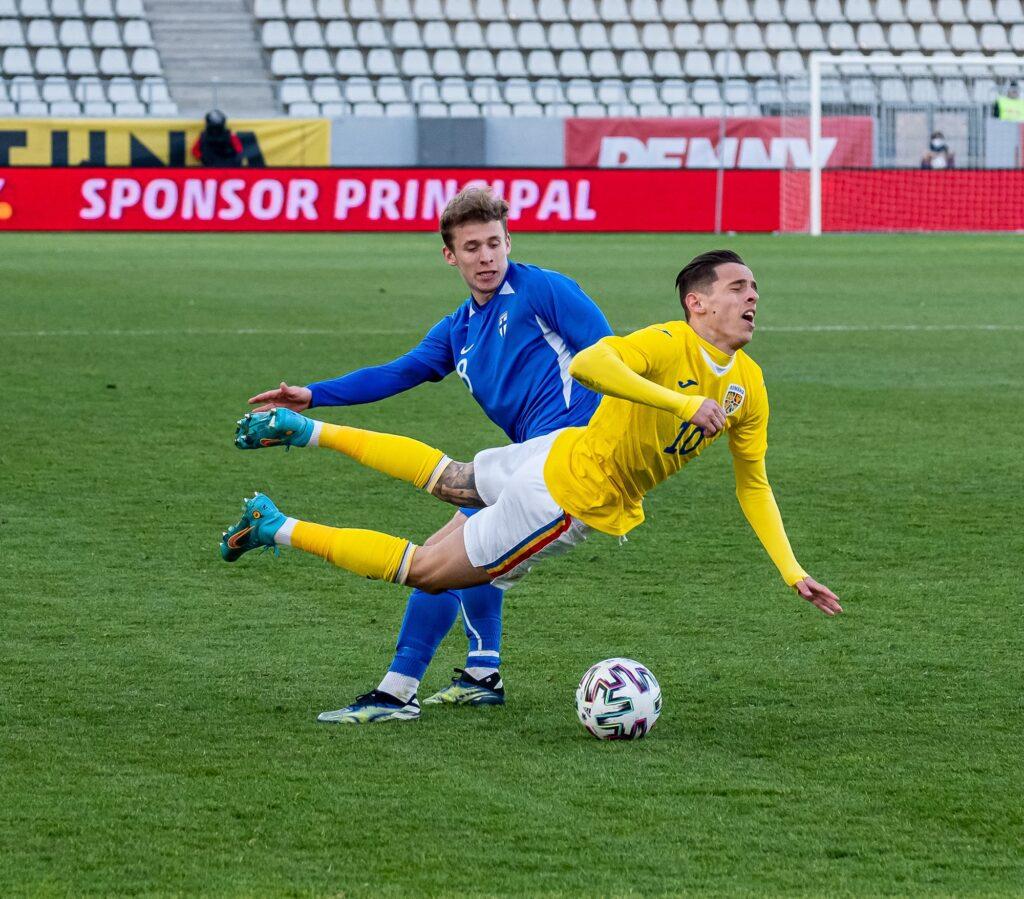
• Romanian National League football matches
And while I missed a rally event due to illness, I still hope to shoot more sports in the future.
If sports photography seriously interests you, my advice is simple:
rent equipment before buying.
I shot sports with the X-T1, X-T20 and, for a short period, the X-T3. And even though the later generations improved autofocus, I still felt that the system was behind my Nikon D750 for this type of work.
For indoor sports like basketball and handball, my approach was usually the same:
• a fast prime on my main camera
• the 55-200mm on the second body
I used the prime for the action itself, while the 55-200mm became useful for:
• warm-ups
• timeouts
• faces in the crowd
• player interactions
• quiet moments on the court
In other words, when I couldn’t rely fully on autofocus speed, I compensated with positioning and anticipation.
That is one of my strategies whenever I shoot Fuji.
I study the field. I watch practice. I look for angles. I try to anticipate the play.
If you understand the limitations of your gear, you can still come home with strong images.
That said, the 55-200mm is a bit short for football and rugby if you are stuck in a fixed position.
You won’t get the same results as someone using a 400mm f/2.8.
But then again, you are also not paying 6,000–8,000 euros for a lens.
Product Photography and Portraits
This is one area where I think the Fuji system is genuinely excellent.
I love the texture, the colors and the way the files respond under studio light.
Whatever I shoot in the studio with Fuji often looks just so good.
I use Godox flashes and light modifiers, and the setup feels easy and intuitive. With a bit of practice and imagination, I believe studio photography is one of those areas where you can progress a lot in a relatively short time.
Even though I now use Nikon for sports, I don’t see anything replacing my Fuji kit for studio and controlled work anytime soon.
I have used it for:
• restaurants
• delivery services
• sports clinics
• hotel work
• family Christmas portraits
And if clients are happy enough to pay for those images, I see no serious reason to abandon the Fuji system there.
When I first started shooting with flash, I’ll admit I was intimidated. But over time I learned to enjoy it and gradually invested in more gear for my small home studio.
The Godox V860II F syncs perfectly with my X-T20 and is a joy to use.
Travel and Landscape Photography
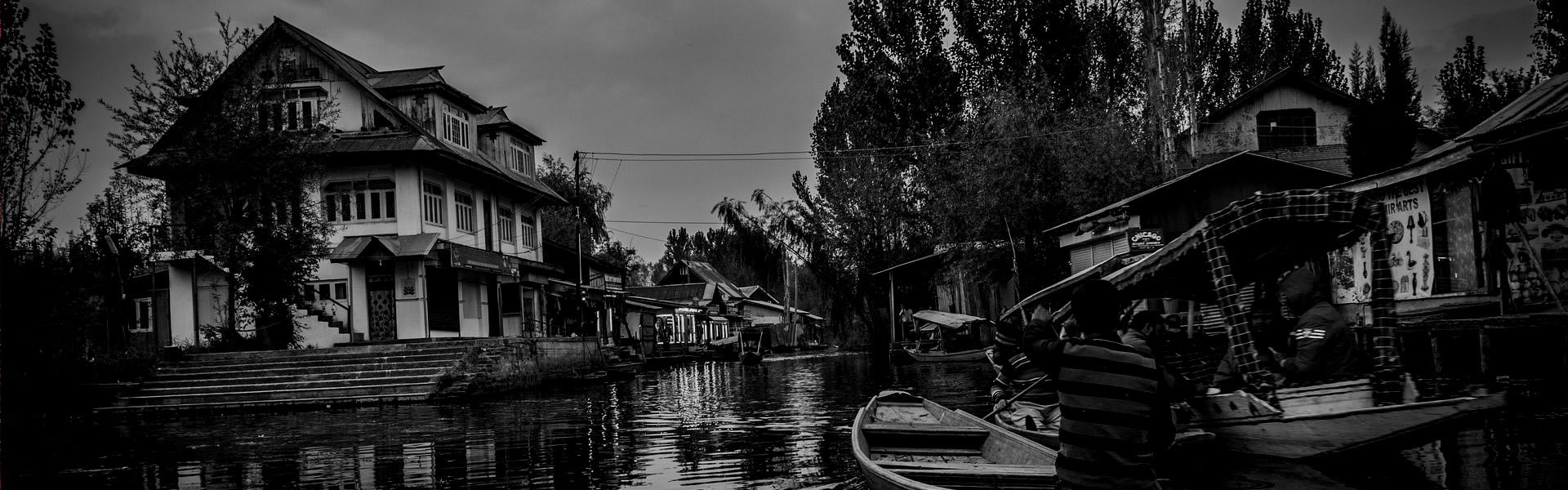
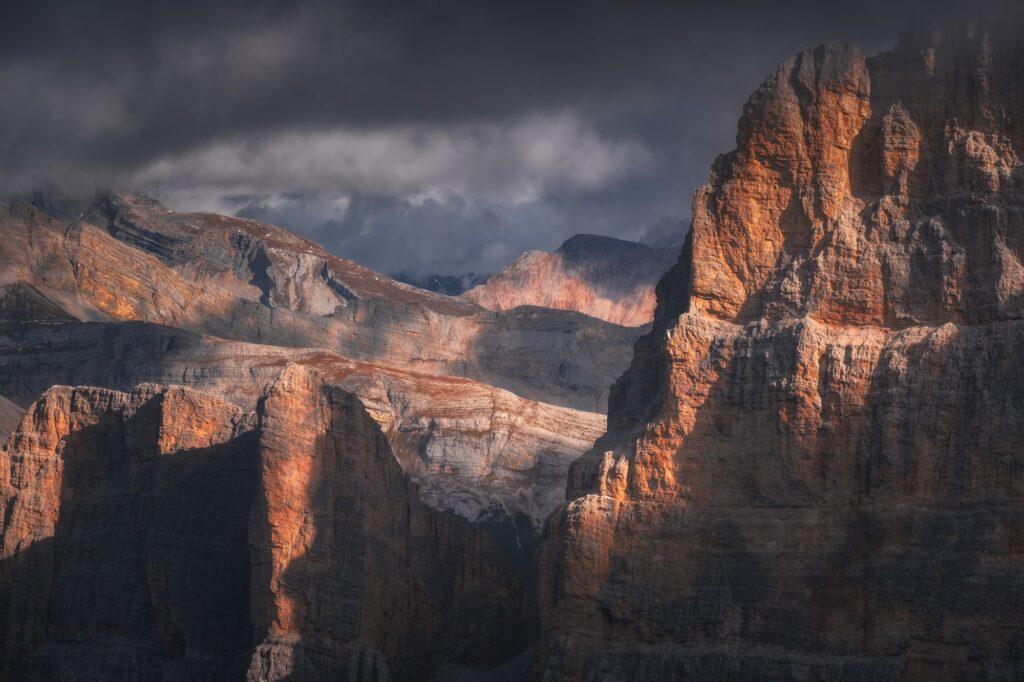
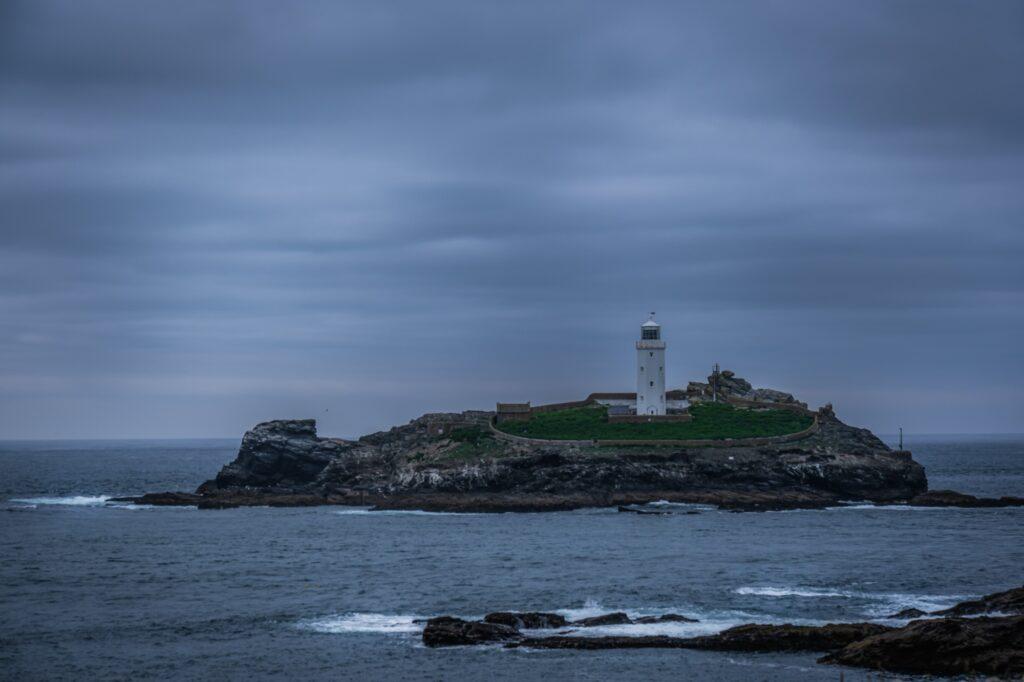
When it comes to travel and landscape work, I honestly think the 55-200mm is one of the best-value Fuji lenses out there.
Andy Mumford has used it for years, and honestly that says a lot already.
In my own experience, the lens is excellent for travel.
In fact, I’m currently working on a few small series shot only with the 55-200mm, and I hope to present at least one of them in a future article.
For travel, I find that a small Fuji body, the 18-55mm, and the 55-200mm create a kit that covers almost everything in a very compact package.
If you hike 10–20 kilometers a day, you really start appreciating lenses like this.
That’s where the 55-200mm shines:
• it is not too large
• it gives you reach
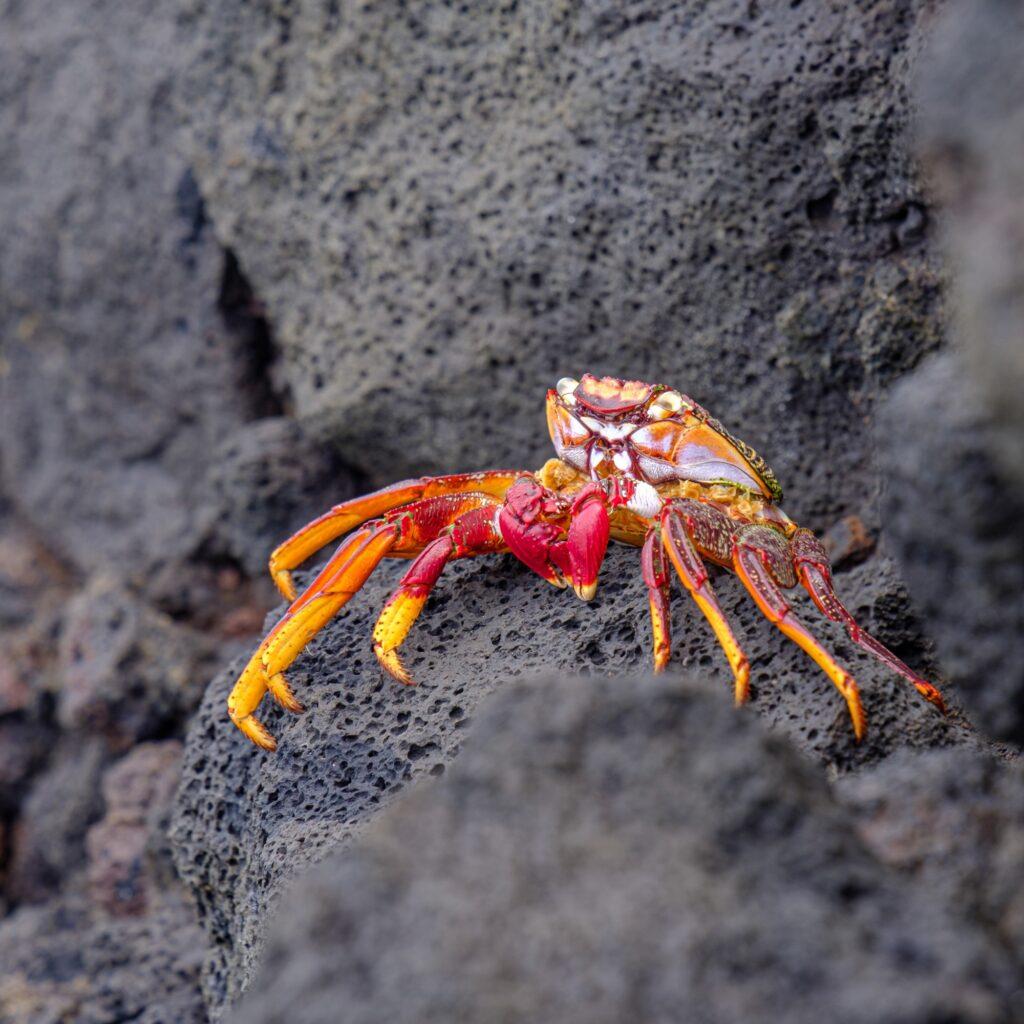
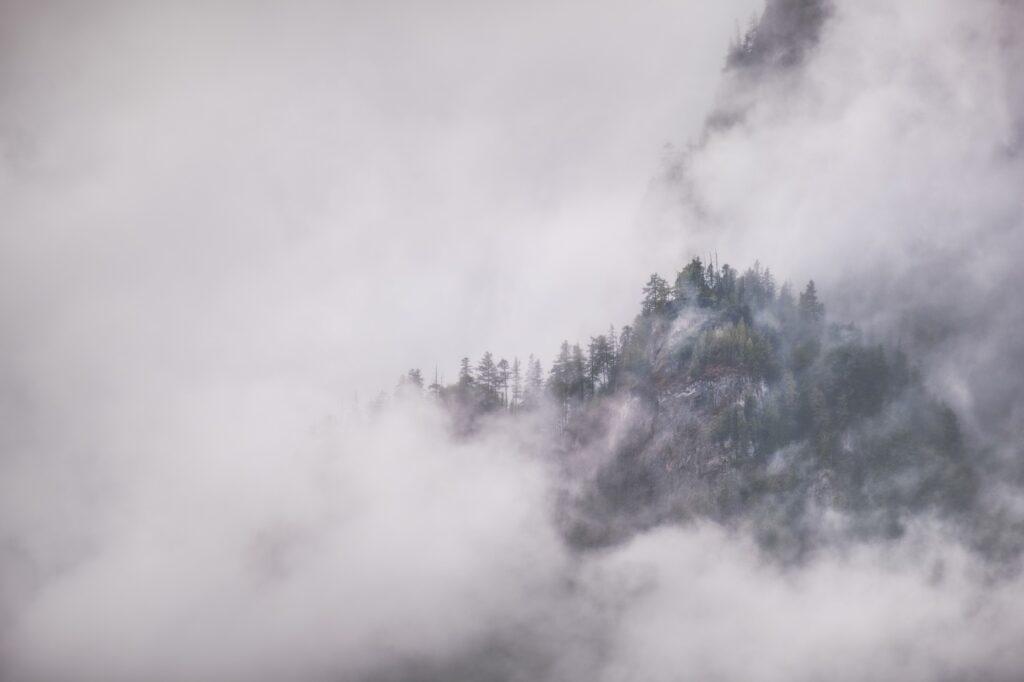
• it helps isolate details in landscapes
• it remains reasonable to carry all day
What I Wish Fuji Would Improve
If Fujifilm ever decided to update this lens, there are a few things I would love to see.
1. Better sharpness from 150mm to 200mm
This is where the lens suffers most.
Those extra 50mm can be very useful for isolating subjects in landscapes, but only if the image quality remains strong.
2. Internal zoom
This would be a dream for me.
I don’t mind if the lens becomes slightly larger.
One of the reasons I sold the 50-230mm was that it felt too light and unstable, especially on mountain trips. In windy conditions, that kind of light construction becomes frustrating.
3. A tripod collar
Anyone who has used the 55-200mm on a tripod knows that after locking everything in place, the lens often sags slightly because of its length and balance.
A tripod collar would make a huge difference.
4. Faster autofocus
From what I’ve seen online, the newer 70-300mm has better autofocus.
That’s attractive, of course, but the 70-300 still doesn’t convince me enough to switch.
The problem is simple:
for me, 70mm is not wide enough.
I use 55mm to 70mm a lot for:
• food photography
• portraits
• detail work
And that is one reason why the 55-200mm gets so much use right from the short end.
Add to that the fact that I believe the build quality of my 55-200mm feels better, and that the 70-300 lacks a tripod collar too, and I simply don’t see enough reason to make the jump.
But if Fuji ever released an updated 55-200mm, I would probably buy it instantly.
Final Thoughts
After using this lens in so many different situations — outdoors, in heat and cold, in the studio, at sports events, on mountain hikes and city trips — I can say one thing with confidence: the Fujifilm 55-200mm is my favorite Fuji lens.
It is not perfect.
It is not the fastest.
It is not the sharpest telephoto ever made.
But it is one of the most useful, versatile and satisfying lenses I have owned in the system.
And for the way I shoot, I don’t see that changing anytime soon.
Fără comentarii