

09 mart. How to Pick a Lens for Your Travels – A Practical Guide for Travel Photography
People are naturally curious.
They want to explore new places, see different cultures and return home with beautiful memories captured in photographs.
For photographers, travel is one of the most exciting opportunities to create images. But before every trip there is always the same question:
Which lenses should I bring?
Choosing the right lens for travel photography is not always easy. Weight, versatility and shooting style all influence the decision.
Over the years I realized that there is no universal solution. The best lens depends largely on what you plan to photograph and how you like to shoot.
Why Choosing the Right Travel Lens Matters
When you travel, you cannot carry your entire photography kit.
Travel photography usually involves:
• long walks through cities
• hiking in nature
• limited backpack space
• changing light conditions
Because of this, the lens you choose can greatly influence the type of photos you capture.
Some lenses offer flexibility and allow you to adapt quickly, while others specialize in specific types of photography.
The goal is to find the balance between versatility, image quality and portability.
My Preferred Travel Photography Approach
Personally, I prefer zoom lenses for travel.
They allow me to photograph people and scenes from a distance without interrupting the natural moment.
For example, a telephoto zoom like the Fuji 50-230mm allows you to capture street scenes or candid moments without getting too close to the subject.
This approach works particularly well when photographing everyday life in cities.
Instead of approaching people directly, you can observe and capture natural moments from afar.
A Versatile Travel Lens Setup
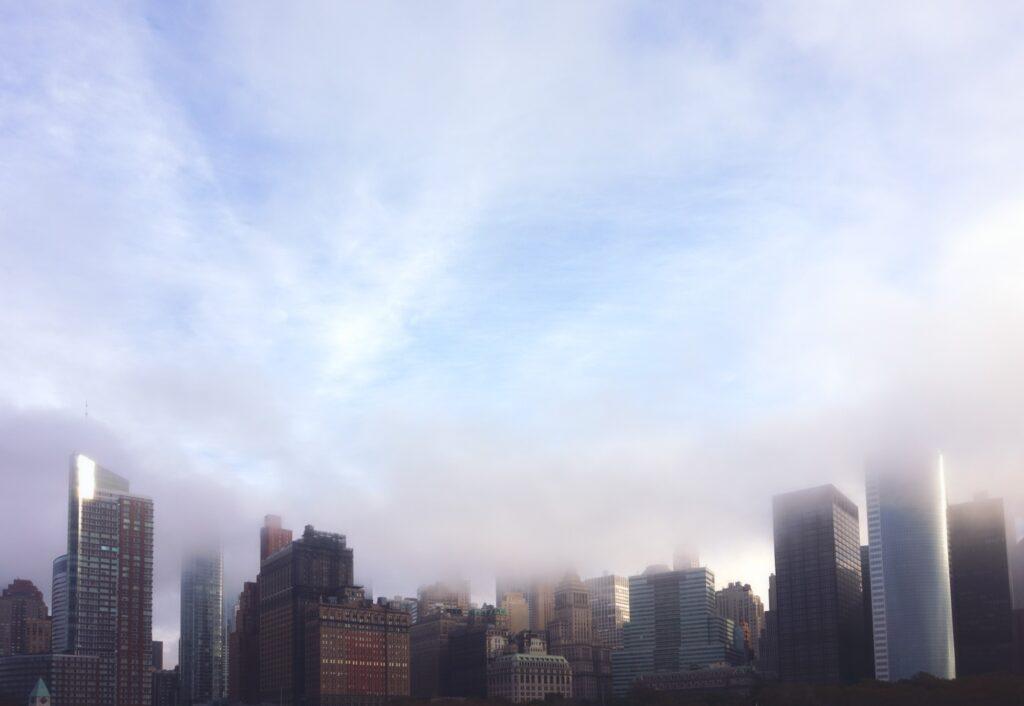
For a large city like New York, I would build my travel kit around three lenses.
Fuji 10-24mm
A wide-angle lens perfect for architecture, cityscapes and dramatic urban perspectives.
Fuji 50-230mm
A lightweight telephoto lens ideal for street photography, candid moments and isolating distant subjects.
Fuji 35mm f/2
A fast prime lens that works beautifully for night photography and low-light situations.
This combination covers almost every travel photography scenario:
• architecture
• street photography
• landscapes
• night scenes
At the same time, the kit remains relatively lightweight.
A Minimalist Travel Kit
Sometimes carrying three lenses is not practical.
If I wanted to travel even lighter, I would simplify the setup.
A compact travel kit could look like this:
Fuji 18-55mm f/2.8-4
Fuji 50-230mm
The 18-55mm lens is extremely versatile and can handle:
• landscapes
• architecture
• street scenes
Meanwhile the 50-230mm provides reach when needed.
This two-lens setup is one of the simplest and most practical combinations for travel photography.
Adapting Your Lens Choice to the City
Different cities require different photographic approaches.
For example, New York and Rome are completely different environments for photographers.
New York is dominated by skyscrapers and large streets.
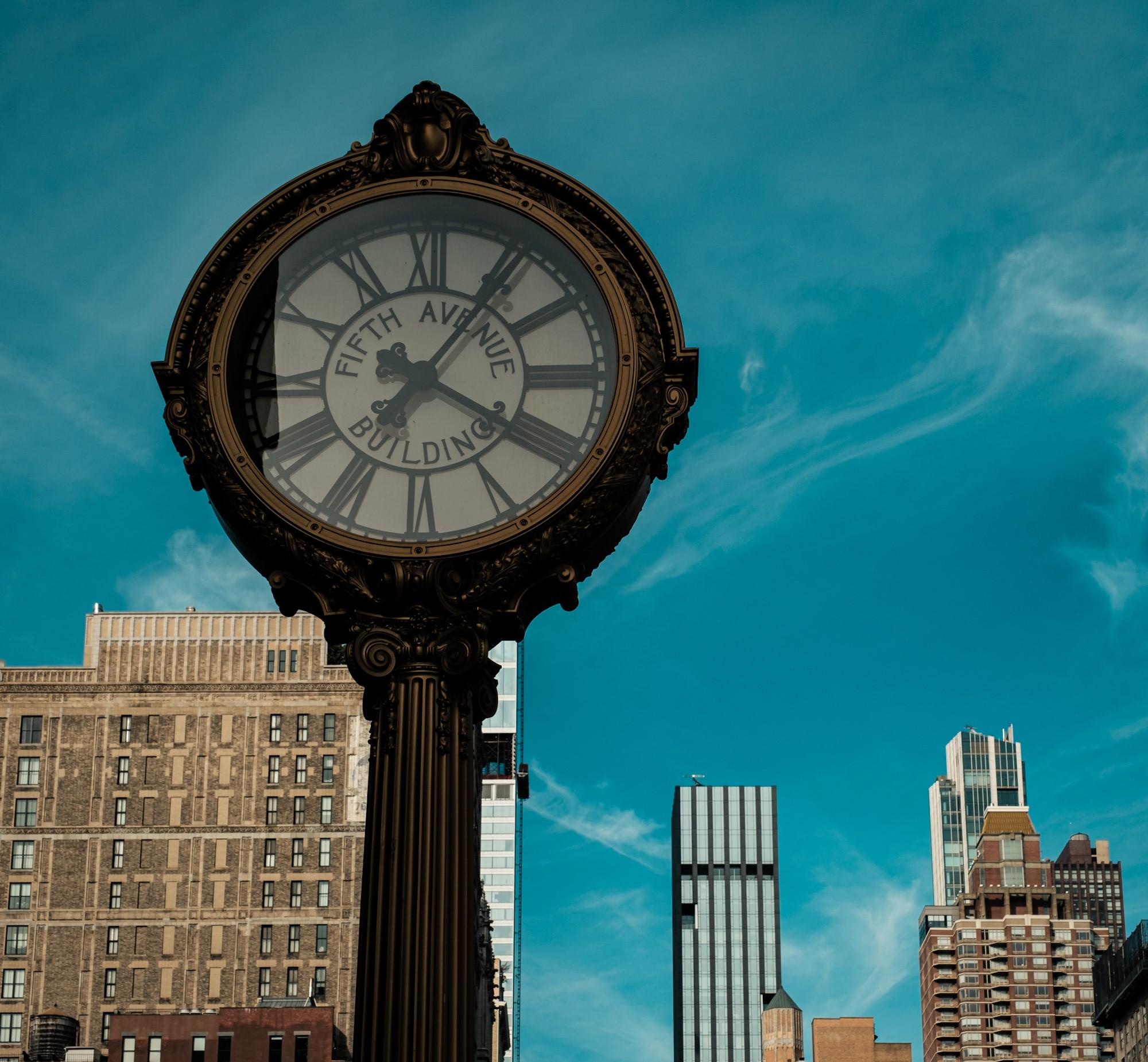
Wide-angle lenses work very well because they allow you to capture the scale of the buildings.
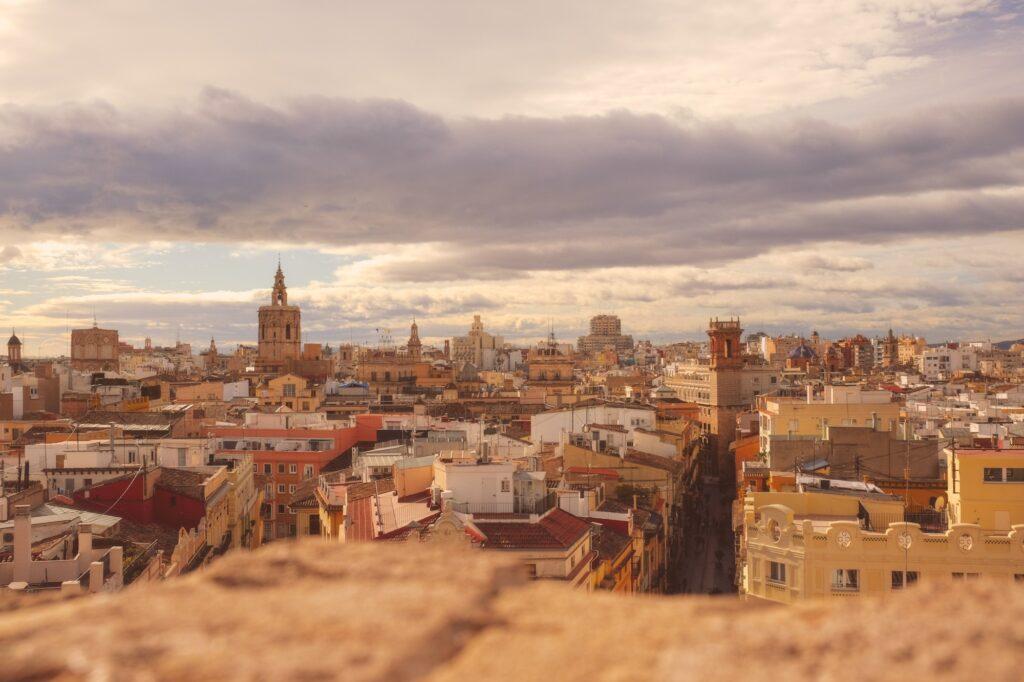
Rome, on the other hand, is full of narrow streets, historic monuments and small restaurants.
Instead of wide urban landscapes, the city invites you to photograph details:
• doors
• walls
• architecture
• street life
Because many monuments in Rome are illuminated at night, fast prime lenses become extremely useful.
A lens like the 23mm f/2 or 35mm f/2 can be perfect for night photography and atmospheric street scenes.
Think About What You Want to Photograph
Before choosing your travel lenses, ask yourself a simple question.
What do I want to photograph?
Different photographic interests require different lenses.
For example:
Street photography
A short telephoto or normal lens works well.
Architecture
Wide-angle lenses are often the best choice.
Night photography
Fast prime lenses with wide apertures help capture low-light scenes.
Understanding your photographic goals will make lens selection much easier.
Travel Photography Is About Flexibility
One of the biggest lessons I learned from traveling with a camera is that flexibility matters more than perfection.
You will never have the perfect lens for every situation.
But with a small, carefully chosen kit you can photograph almost anything.
A simple combination of:
• one wide lens
• one versatile zoom
• one fast prime
can cover nearly all travel photography scenarios.
Final Thoughts
Choosing the right lens for travel photography is a balance between creativity and practicality.
Too many lenses make your backpack heavy and slow you down.
Too few lenses may limit your photographic possibilities.
The best solution is to build a small kit that matches your style and the type of photography you enjoy.
Because at the end of the day, travel photography is not about equipment.
It is about the experience of exploring new places and capturing the memories that come with them.
Fără comentarii