


11 mart. What I Learned from Competing in Photography Contests
When it comes to photography, each of us has a different way of improving.
Some photographers analyze their portfolios alone.
Others work with mentors, attend workshops, or participate in critique sessions.
For a while, I worked with two photographers who reviewed my images and gave feedback on my portfolio. I also submitted my photos to a well-known photography institution where I received one-on-one live critiques.
But in December 2021 I discovered something new.
I became fascinated with international photography competitions.
A Note About Time
Before going further, it’s important to mention that this article was originally written a few years ago when I first started participating in photography contests.
Since then, technology, cameras and editing tools have evolved. However, the lessons learned from competitions remain the same.
Photography contests are rarely about the newest camera or the latest lens. They are about story, vision, composition and emotion.
That is why the ideas in this article still apply today, regardless of what camera you use.
The Competitions I Entered
The competitions I participated in were not random online contests.
They were organized under the rules of major international organizations such as:
• FIAP — International Federation of Photographic Art
• IAAP — International Association of Art Photographers
• PSA — Photographic Society of America
These contests are judged by experienced photographers with distinctions, qualifications and large bodies of work.
So the judging process is serious and structured.
My Results After 9 Months
What started as curiosity quickly turned into a habit.
One contest became two.
Two contests became four.
Nine months later, I had participated in 34 photography contests.
The results surprised even me.
• 174 accepted images
• 41 awards
Among them:
• 5 gold medals
• 1 silver medal
• 4 bronze medals
• multiple honorable mentions and diplomas
Note: Since the time of the article, I joined in more than 140 contests with over 100 awards and over 30 medals.
But the real reward was not the medals.
It was the lessons I learned about photography.

Lesson 1 — Camera Gear Matters Less Than You Think
One of the most interesting things I noticed during these contests was how little camera gear mattered.
Many online debates revolve around:
• sensor size
• megapixels
• camera buttons
• autofocus systems
But judges rarely care about these things.
I submitted photographs taken with: Sony A5000, Sony A6300, Fujifilm X-T1, Fujifilm X-T20, Fujifilm X-T3, Nikon D750 and even a smartphone
And yes — even photos taken with my phone were accepted into contests.
Not awarded but accepted.
That alone says a lot.
Lesson 2 — Not Everyone Will Love Your Photos
This is one of the hardest lessons for any photographer.
At my first photography contest I submitted one of my favorite images.
It didn’t even make the accepted list.
I was furious.
How could they not see how good that photo was?
Nine months later that same image had 28 acceptances and multiple awards.
The truth is simple: Different judges see things differently.
What one jury loves, another jury might reject.
And that is perfectly normal.
Photography is art.
And art is subjective.
Lesson 3 — Find Your Style
Because judges have different tastes, trying to please everyone is pointless.
Instead, focus on developing your own style.
Build a visual language that feels authentic to you.
Some judges will love it.
Some will not.
But if you constantly change your style to match trends or judges’ preferences, you risk losing your identity as a photographer.
Lesson 4 — Trust Your Images
One of my most awarded photographs was initially rejected by two professional photographers.
They told me the image was boring.
They didn’t like the sky.
They didn’t see potential in the scene.
But I believed in that photograph.
So instead of discarding it, I reworked it.
Lesson 5 — Leave Your Mark on the Image
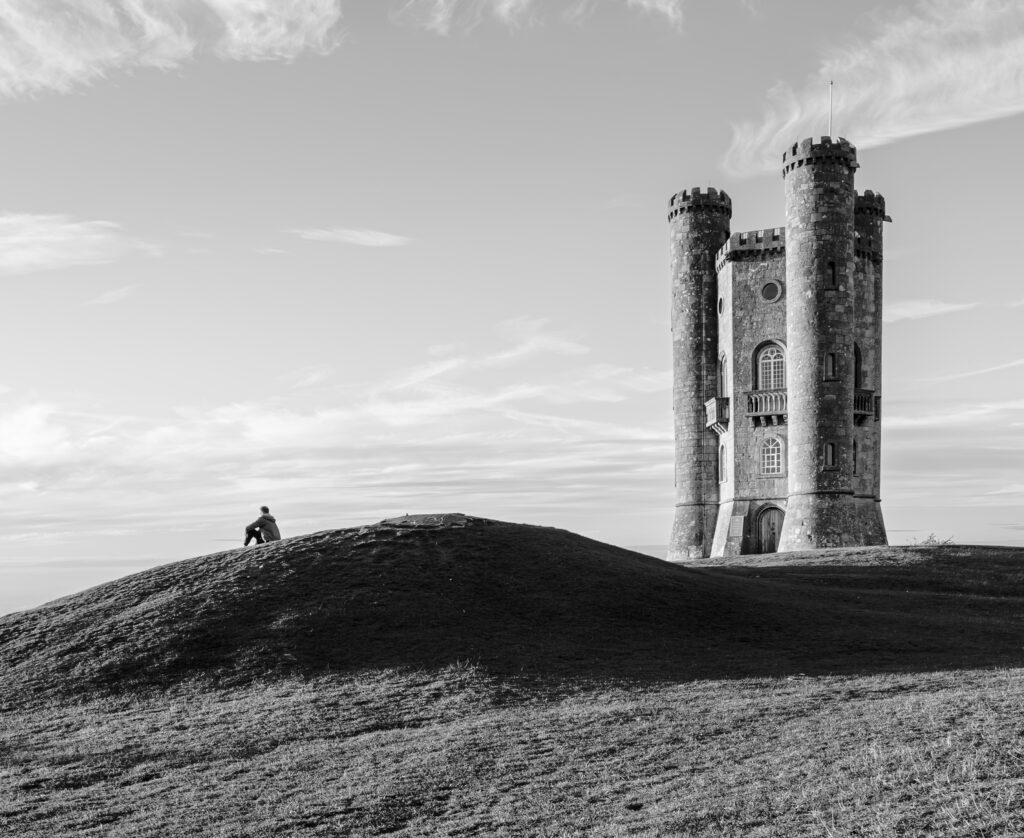
The final version of that photo was surprisingly simple.
I made three small changes:
• cropped the image to 1:1
• converted it to black and white
• slightly increased the highlights
That was it.
Ten minutes of editing.
But it reflected my vision, not someone else’s.
And that photograph eventually became my most awarded image.
Lesson 6 — Choose Your Images Carefully
We all love our photos.
Some images mean a lot to us emotionally:
• a sunset we watched with someone special
• a memorable trip
• a personal moment
But emotional value does not always mean photographic strength.
Judges don’t know the story behind the moment.
They only see the photograph.
So, when submitting images to competitions, try to separate:
• personal memories
• strong photographic work
Lesson 7 — Stop Arguing About Gear
Instead of spending hours debating cameras online, use that time to improve your skills.
Learn:
• how your camera behaves in different light
• where your lens is sharpest
• how to focus quickly
• how to work in difficult conditions
Even one hour of shooting is more valuable than hours of reading gear debates.
Lesson 8 — Invest in Experiences
A new camera rarely improves your photography.
Experiences do.
Travel. Hiking. Exploring cities. Observing people.
Those experiences will give you far better photographs than any equipment upgrade.
If you invest money in photography, consider:
• photography books
• workshops
• editing courses
• travel
Knowledge and experience always pay off.
Lesson 9 — Be Comfortable with Your Subject
Some of the most famous photographs in history are portraits.
But I personally struggle with photographing vulnerable people.
For example, photographing elderly people in difficult situations can feel emotionally uncomfortable for me.
Even though those images might win awards, photography must still feel honest to you.
If a subject does not align with your values or style, it’s perfectly fine to choose another path.
Lesson 10 — Light Matters
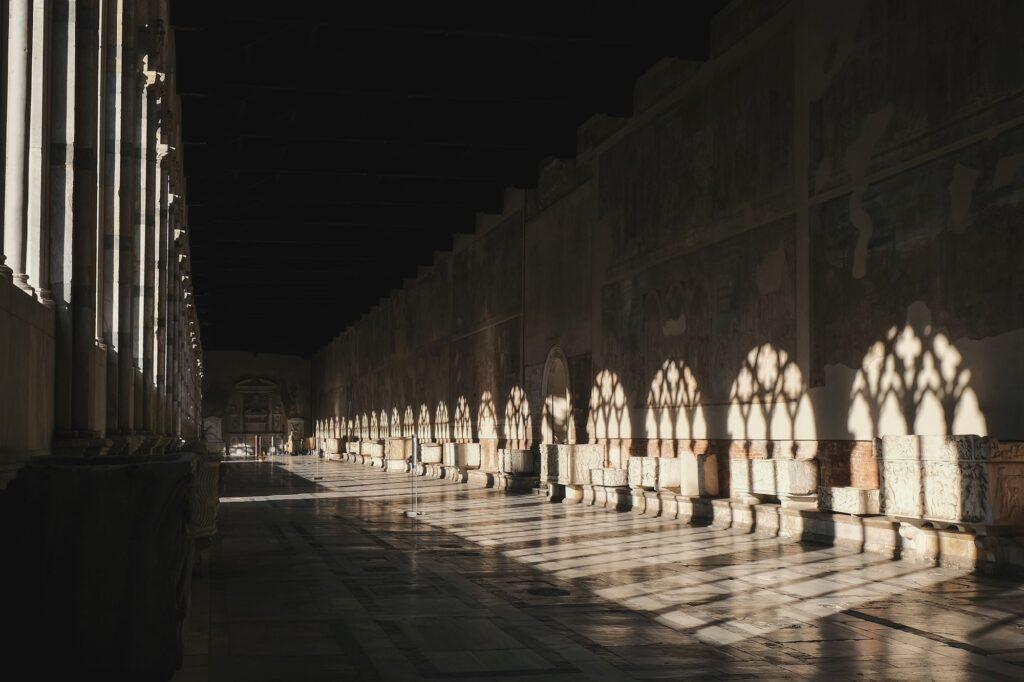
Light is often considered the most important element in photography.
But beautiful images can be created in many conditions:
• rain
• night
• stadium lighting
• harsh midday sun
The key is learning to adapt to each situation.
Lesson 11 — Location Matters
Despite what some people say online, location is extremely important.
If you love mountains, you will struggle to photograph them if you live in a flat country.
If you love sea cliffs and coastal landscapes, you may need to travel to find them.
Location shapes photography.
Lesson 12 — The Moment Is Everything
Imagine photographing the World Cup final.
You have the best camera and the best lens.
Cristiano Ronaldo scores and celebrates — but he runs to the opposite corner of the stadium.
You miss the moment.
Meanwhile, a fan in the stands captures a tear on Ronaldo’s face using a phone.
That fan captured the moment.
And that is what matters most.
Lesson 13 — Show Up Often
Great photographs rarely happen by accident.
They happen when you show up repeatedly.
I used to photograph football games once a month.
Now I shoot games four to six times per month.
The difference in image quality and storytelling is enormous.
The more often you show up, the higher your chances of capturing a meaningful moment.
Lesson 14 — Tell a Story
This might be the most important lesson of all.
Technical perfection alone is not enough.
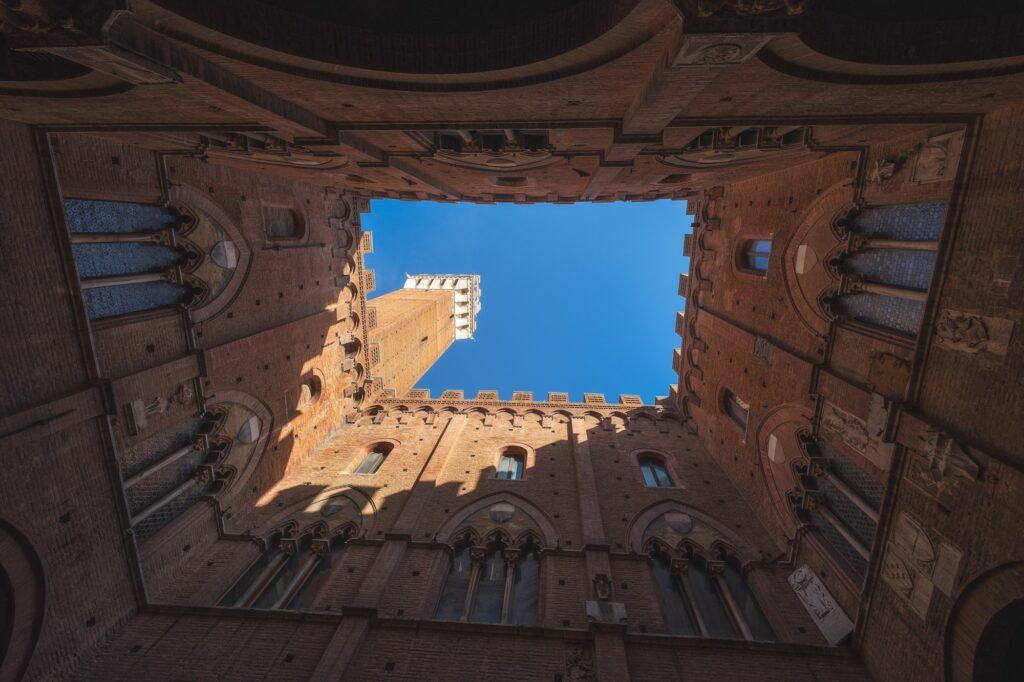
A photograph must tell a story.
The most powerful images invite the viewer to imagine what is happening in the frame.
They make you pause.
They make you think.
They make you feel something.
Final Thoughts
Photography competitions taught me many things.
But most importantly, they helped me understand that photography is not about gear or technical perfection.
It is about:
• vision
• emotion
• storytelling
• persistence
For the next months my goal is simple. Not to win more medals. Not to take thousands of photos.
But to create two images that truly matter. Images that tell a story. Images that people remember.
And, of course, I will still carry my little Fujifilm cameras with me.
We’ve been through a lot together.
And I’m sure the best photographs are still ahead.
Fără comentarii