


11 mart. Photographing New York with the Sigma 18-50mm lens
New York is often described as a dream destination for photographers.
For decades, the city has been the stage for some of the most iconic images in the history of street photography. Names like Saul Leiter, Joel Meyerowitz, Bruce Gilden, and countless others built entire careers walking these streets.
So when I arrived in New York, I came with enormous expectations.
In my mind, this city was legendary ground for photography — a place where frames would appear everywhere, where scenes would almost beg to be captured.
But the reality of this trip turned out to be very different.
A Simple Setup and a Clear Intention
For this trip, I brought a minimal setup, exactly how I usually photograph at home.
My camera was a Fujifilm X-S10, paired with two lenses:
• Sigma 18–50mm f/2.8
• Fujifilm 35mm f/1.4
I also imposed a small discipline on myself.
Even though I had a zoom lens, I decided to keep it almost always at 23mm, resisting the temptation to constantly change focal lengths. I wanted consistency. I wanted to avoid the classic trap of thinking “maybe it would work better with another lens.”
Almost all the images I shot during the trip were taken at that focal length.
Small note: even though I brought the Fujifilm 35mm f1.4 with me I never used it on this trip and relied solely on the Sigma 18-50 lens.
But after hours of walking and dozens of frames, I started feeling something unexpected.
Something was missing.
A Fascinating City That Isn’t Always Photogenic
New York remains an electrifying city.
The energy is undeniable:
• endless traffic
• constant noise
• thousands of restaurants
• people from every corner of the world
Walking through the streets gives you an instant jolt of energy.
But on this trip, I didn’t find the city as photogenic as I had imagined or as I remembered from my previous visit.
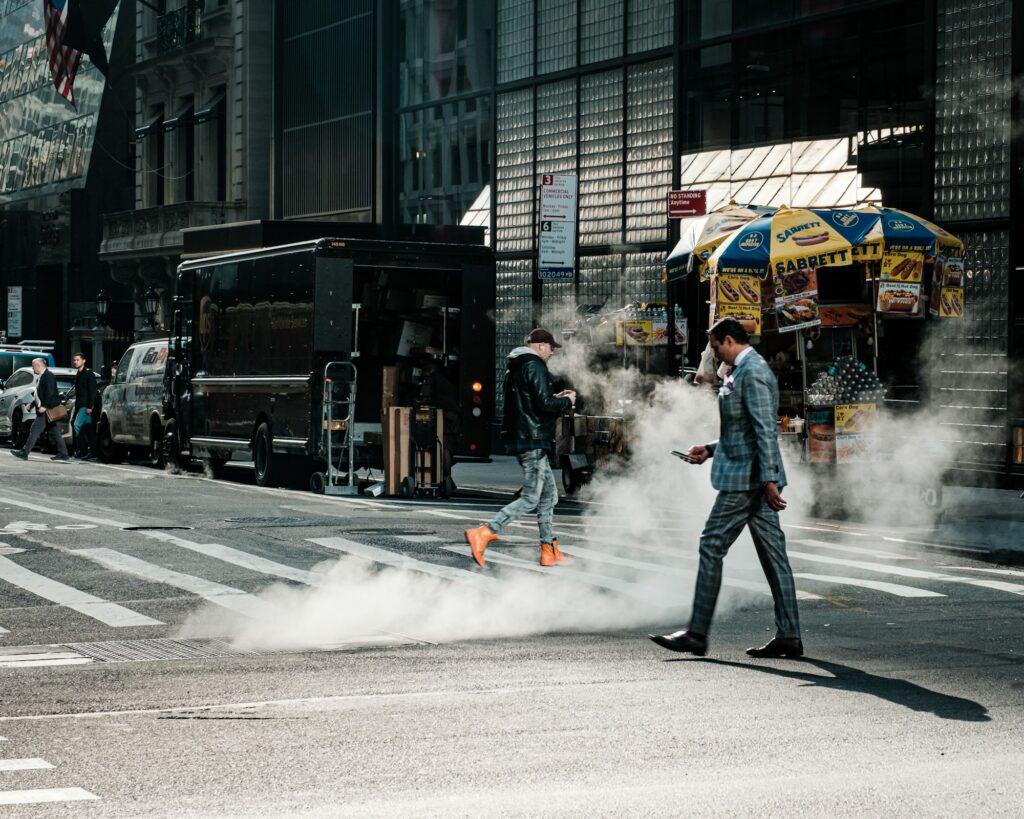
Fifth Avenue, for example, felt strangely sterile. Overly commercial. Clean, polished, almost stripped of the visual layers I remembered from my first visit eight years ago.
Chinatown still has life and chaos — but even there you need to wander into the smaller side streets to feel the real pulse of the neighborhood.
In New York, you absolutely need to always keep your camera ready.
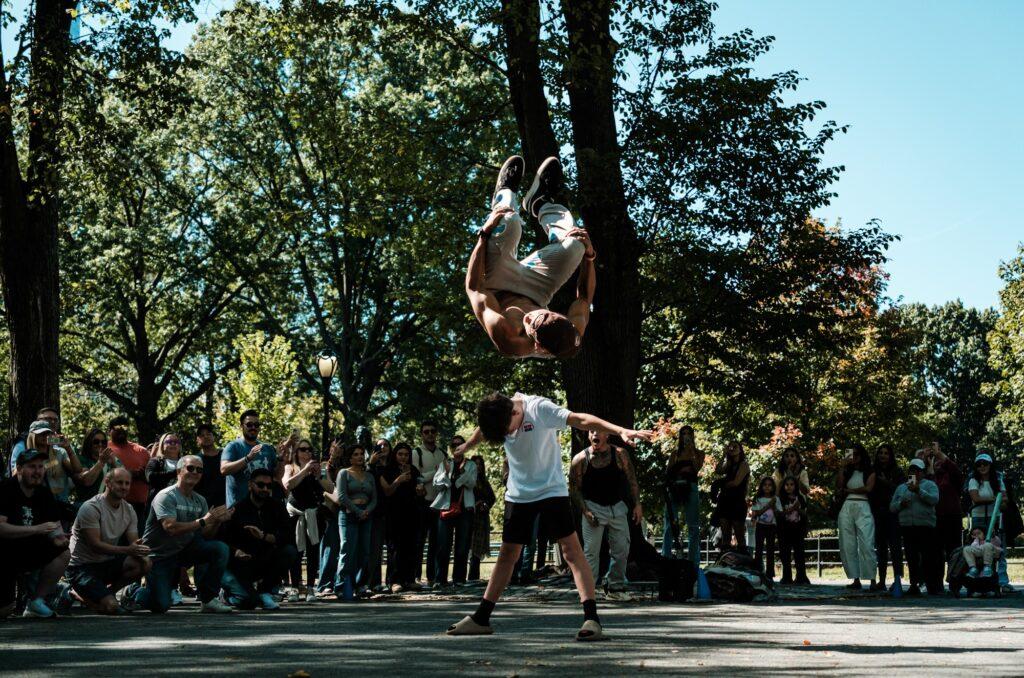
At any corner something might suddenly happen:
• a yellow taxi slicing through traffic
• someone sprinting across the street
• a cyclist weaving between cars
But being alert does not guarantee meaningful photographs.
The city forces you to stay attentive — but it promises nothing.
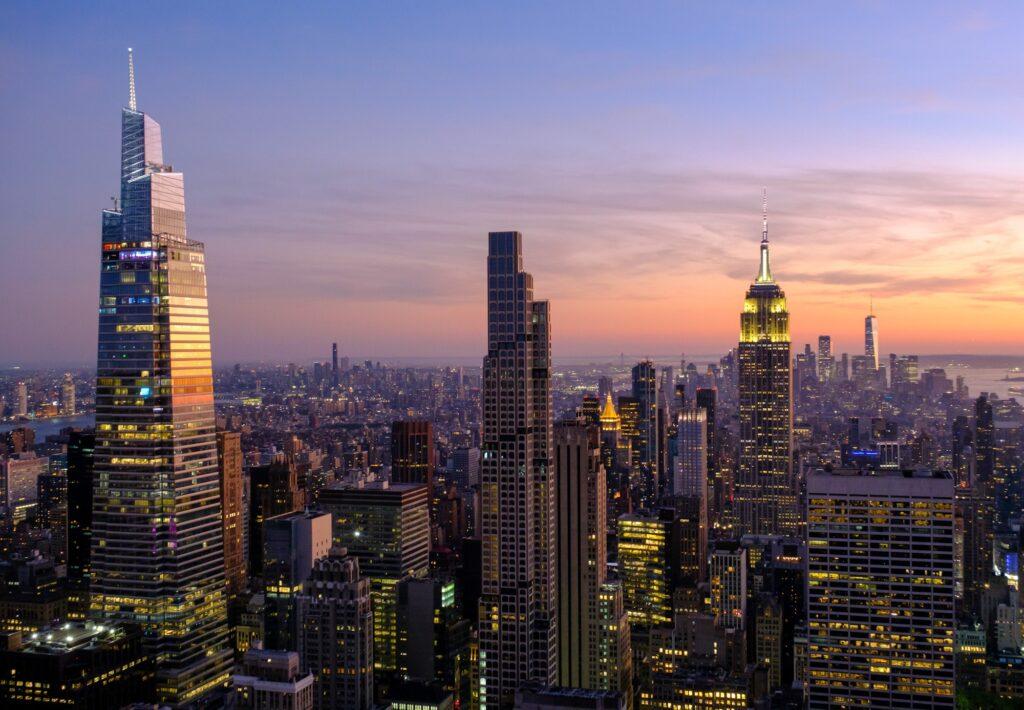
The Pressure of the New York Myth
What I felt in New York — more than in any other city — was pressure.
When you photograph Bucharest, no one expects anything from you. There are no mythical standards to live up to.
But in New York, you feel the invisible presence of all the photographers who came before you.
This city is already filled with legendary photographs.
Iconic books.
Historic exhibitions.
It almost feels as if someone is standing behind you asking:
“Is that all you got from New York?”
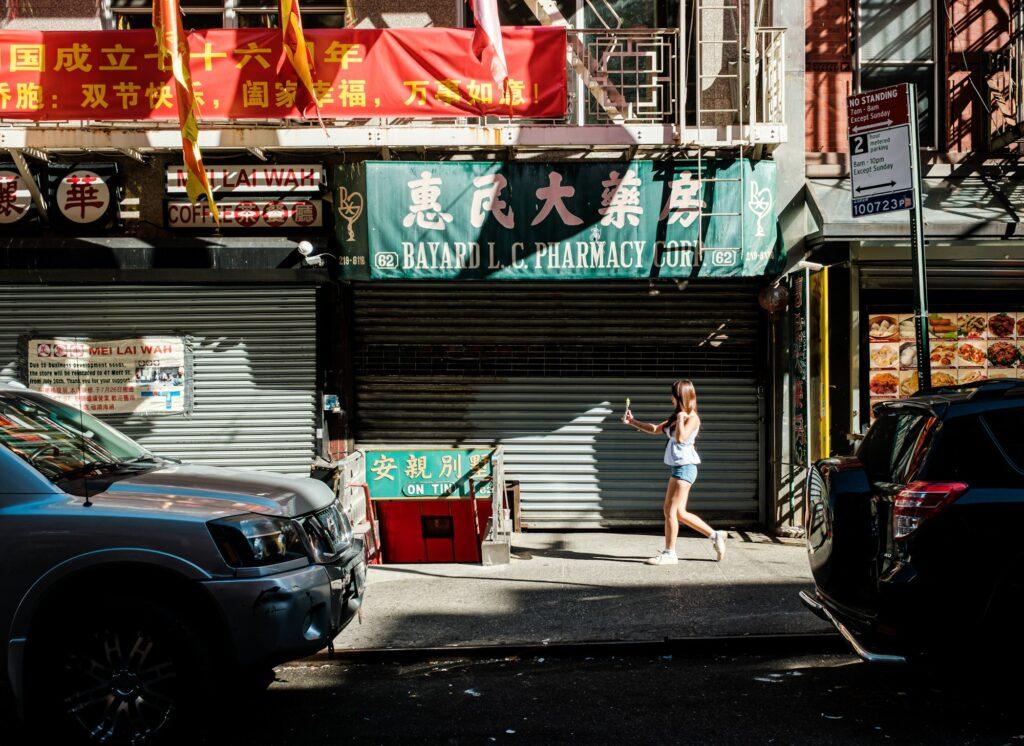
Maybe it’s just the world we live in today, but the street itself also feels different.
Many of the characters that defined classic street photography seem to have disappeared.
You rarely see:
• people reading newspapers on corners
• shoe shiners working on sidewalks
• elderly men with hats and walking sticks
• children playing freely in the street
Instead, everyone walks with a phone in hand. Eyes lowered.
Faces illuminated by screens.
The theatrical spontaneity that once defined street life feels harder to find.
People seem locked inside their own digital universes.
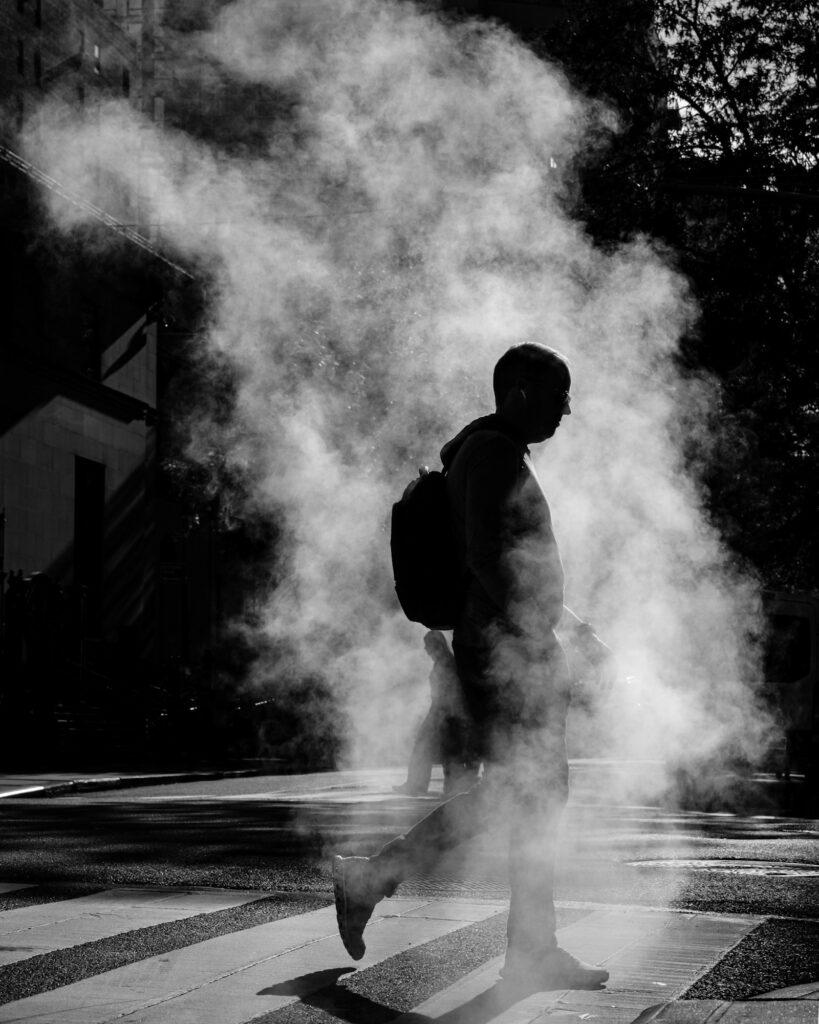
The Problem with the “New York Photography Myth”
Before arriving in New York, I watched countless YouTube videos about the best photo locations in the city.
Many creators enthusiastically describe New York as the ultimate destination for photographers.
And yes, they show beautiful images.
Strong shadows. Interesting walls. Dramatic compositions.
But something often feels missing.
The intimacy.
The personal relationship with the city.
The kind of connection you see in the work of Joel Meyerowitz, Saul Leiter, or even Vivian Maier.
Many modern images are technically correct.
But they rarely feel deeply connected to the city’s soul.
Maybe we have also become less demanding as viewers.
It is easier to give a quick like and comment “awesome” than to measure a photograph against the enormous standards set by the great masters.
We accept images that are visually correct but emotionally shallow.
And perhaps we do this because those images feel attainable.
They give us the comforting illusion that we too could achieve them quickly.
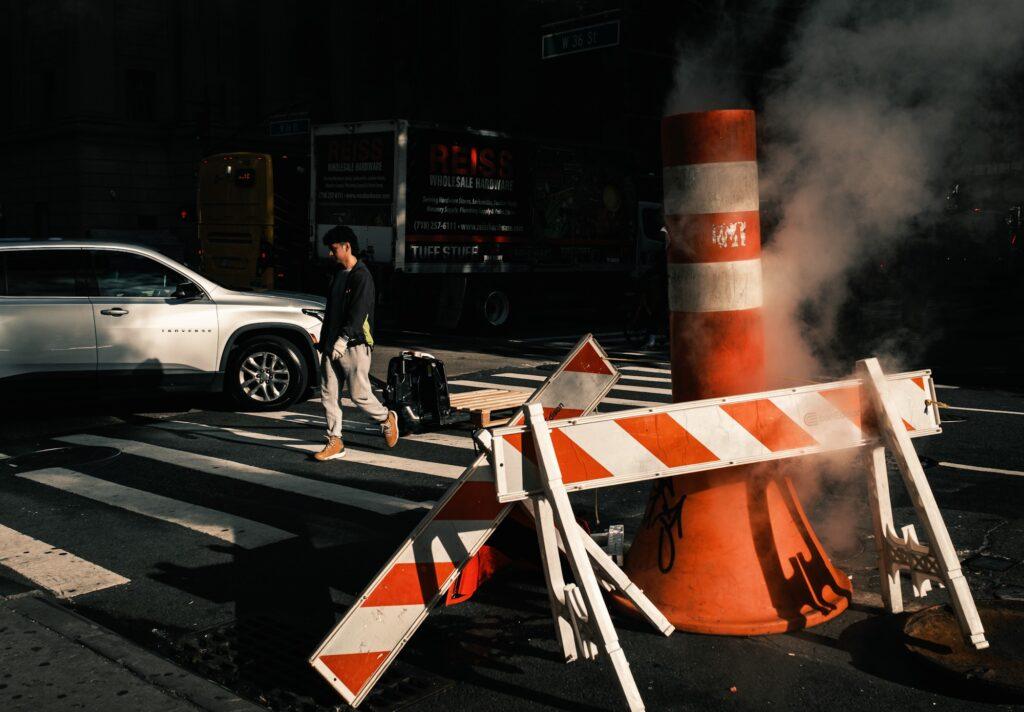
Depth Takes Time
Joel Meyerowitz photographed New York for decades.
Day after day. Street after street. Season after season.
Meanwhile, we consume videos promising “the best photos in New York in three days.”
Maybe the problem is our expectation.
Real photographic depth cannot be built during a short visit.
It takes years of walking the same streets.
Learning the rhythms.
Recognizing patterns.
Understanding the hidden layers of a place.
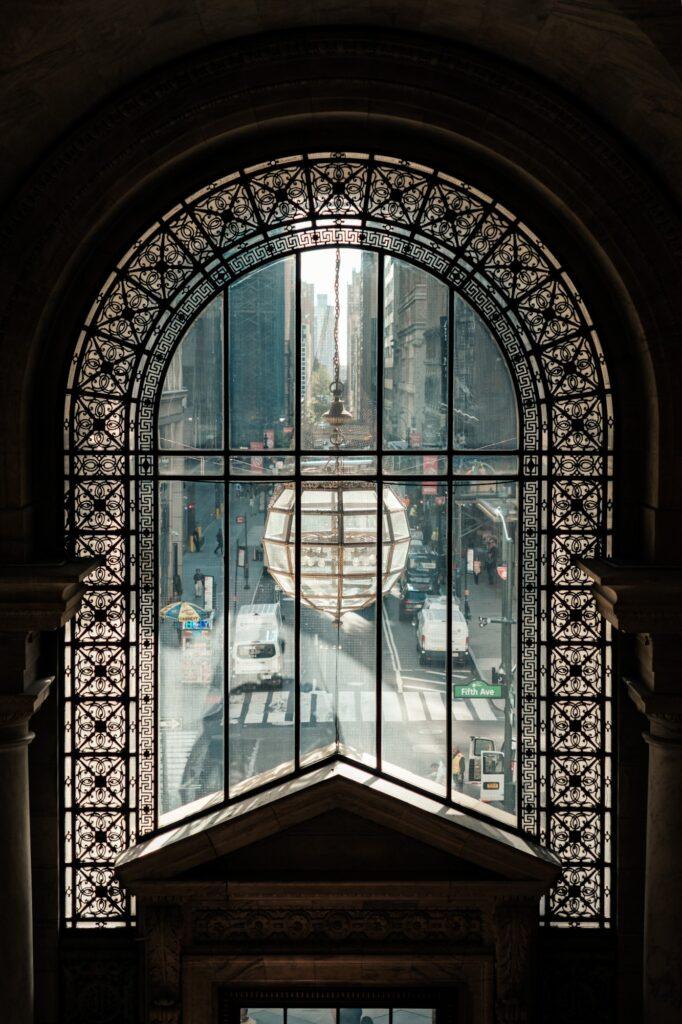
Tourist vs Local
One of the most important realizations during this trip was the difference between being a tourist and being a local.
Just before coming to New York, I finished a large project about Bucharest called Fragmente.
In Bucharest, I know instinctively where stories hide.
I know which streets carry tension.
Which corners offer visual layers.
I understand the city from the inside.
In New York, I am simply a passerby.
Everything I know about what is “important” comes from the internet or from photographs taken by others.
I don’t have the instinct of a local.
And you can feel it.
My photographs don’t carry the same depth.
They don’t breathe the same truth.
You may get lucky with a few frames.
But building a coherent visual story is much harder.
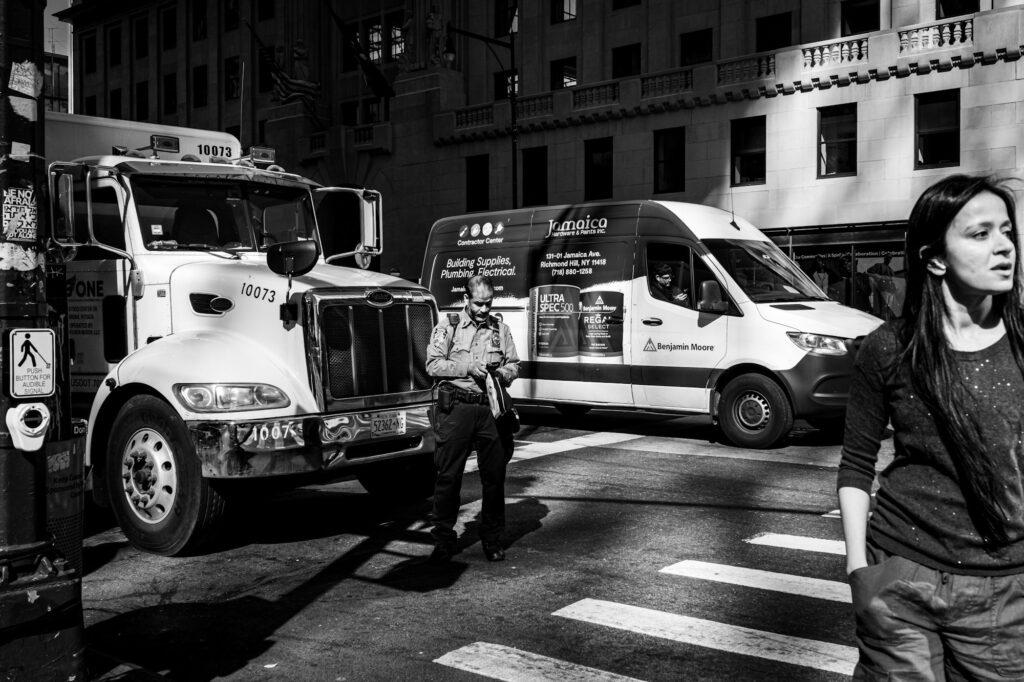
A City That Must First Be Felt
Perhaps this is what New York represents for me right now.
A city that must first be lived — not conquered through a lens.
It must be walked.
Listened to.
Smelled.
You must sit in small cafés.
Climb subway stairs.
Pause on stoops.
Wander without chasing big photographs.
Yes, you can certainly make beautiful images during a short visit.
Maybe even memorable ones if you are lucky.
But for me, at least for now, New York is not a place where I could create a project like Fragmente.
That kind of work requires patience and belonging.
Not a few days of exploration.
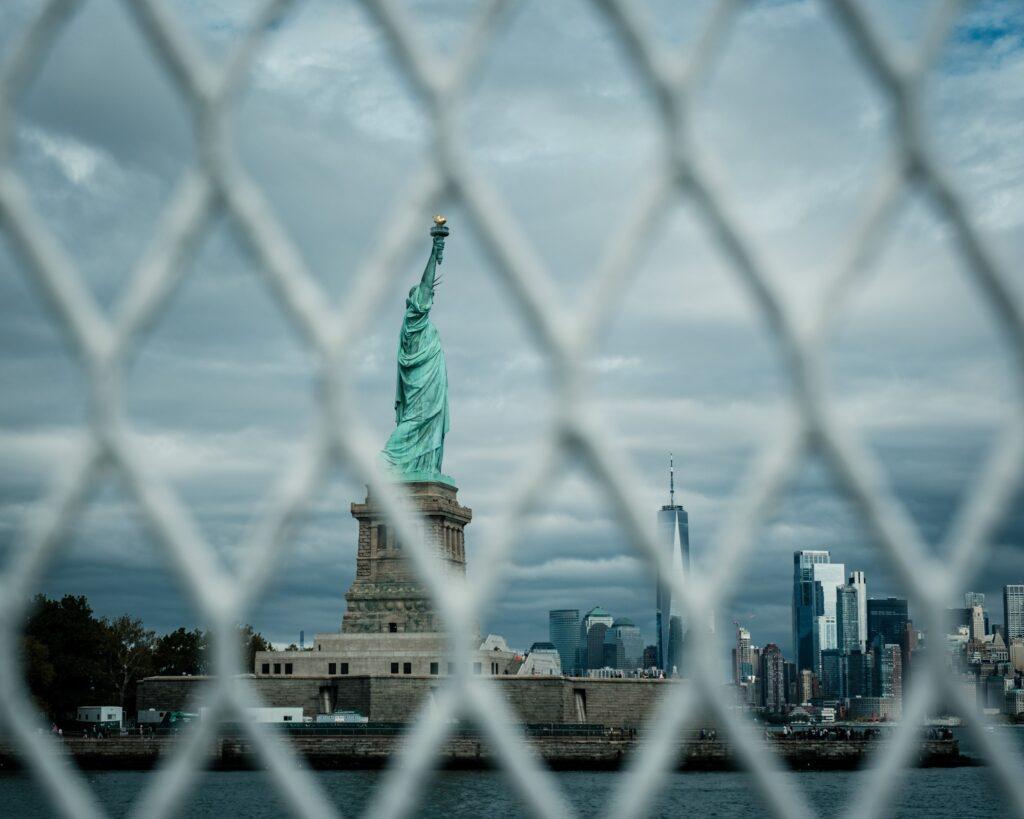
The Lesson
I arrived in New York expecting to visually conquer the city.
Instead, I discovered something more valuable.
The importance of time.
The importance of connection with place.
You can walk with your camera ready and capture interesting moments.
But true photographic depth only appears when you live in a place — not when you simply visit it.
Maybe one day I will return and stay longer.
Without the pressure of bringing back “visual trophies.”
Maybe then I will begin to see the invisible layers of this city.
For now, New York remains an extraordinary place to experience.
And a place that deserves to be photographed with humility — not treated as an easy territory to conquer.
Fără comentarii