

24 mart. Walking Through Puglia with a Wide Lens — A Tribute to Luigi Ghirri
Luigi Ghirri loved Puglia.
And from the moment I first set foot in this beautiful region of southern Italy, I understood why.
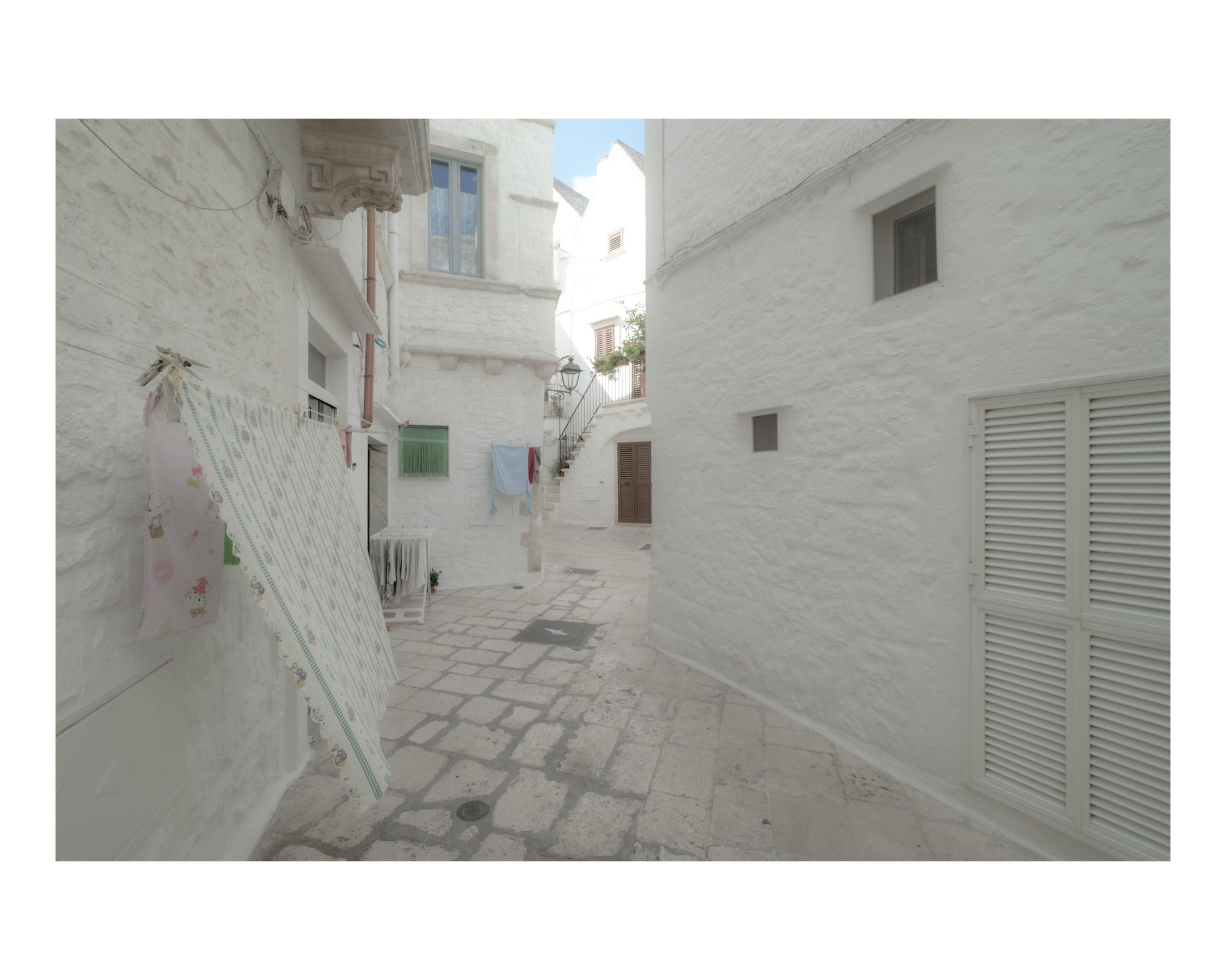
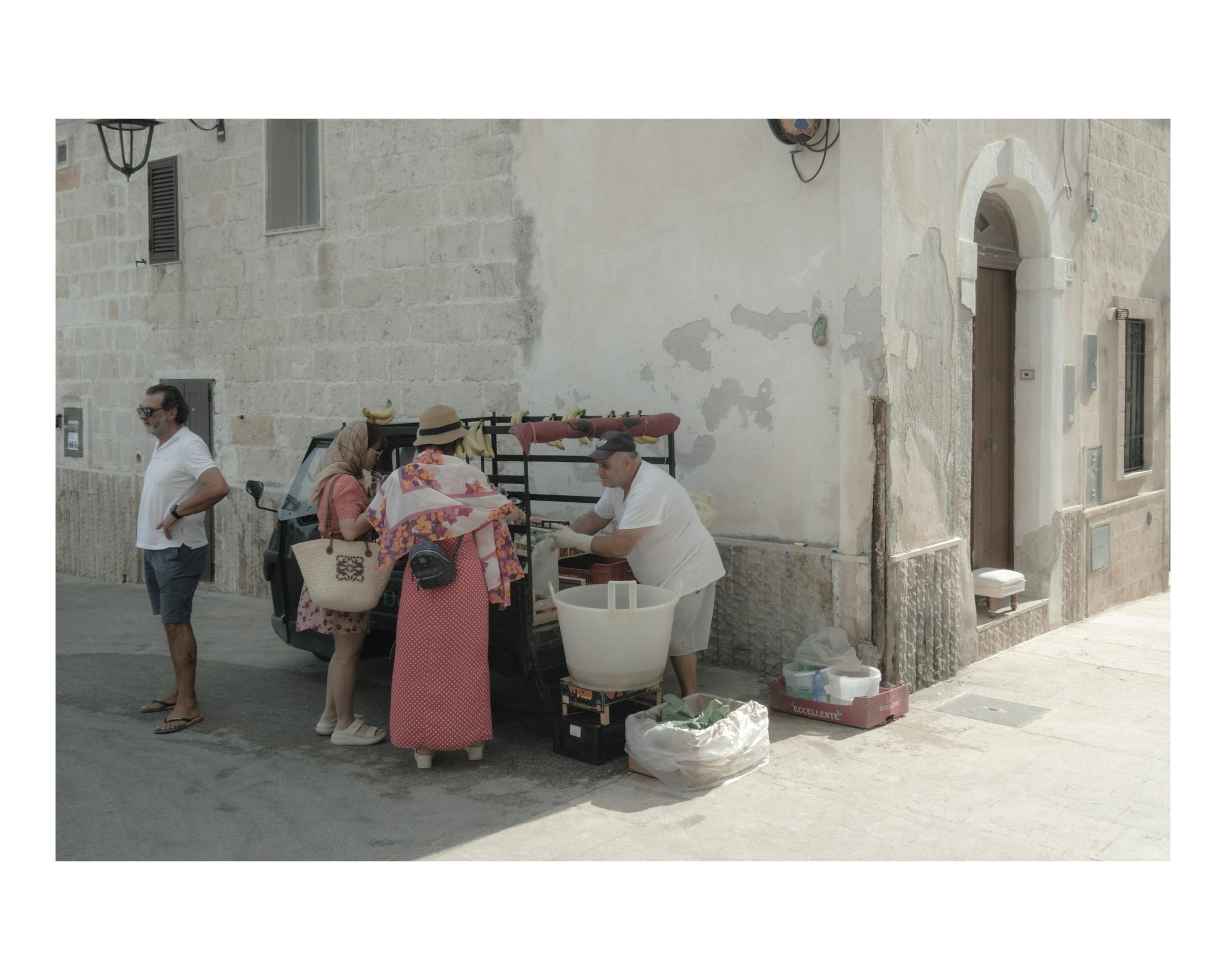
There is something unique about the light here. White walls reflect the sun, streets feel calm and timeless, and even the simplest scenes seem to carry a quiet sense of poetry.
Puglia is not dramatic in an obvious way.
Its beauty lives in small things.
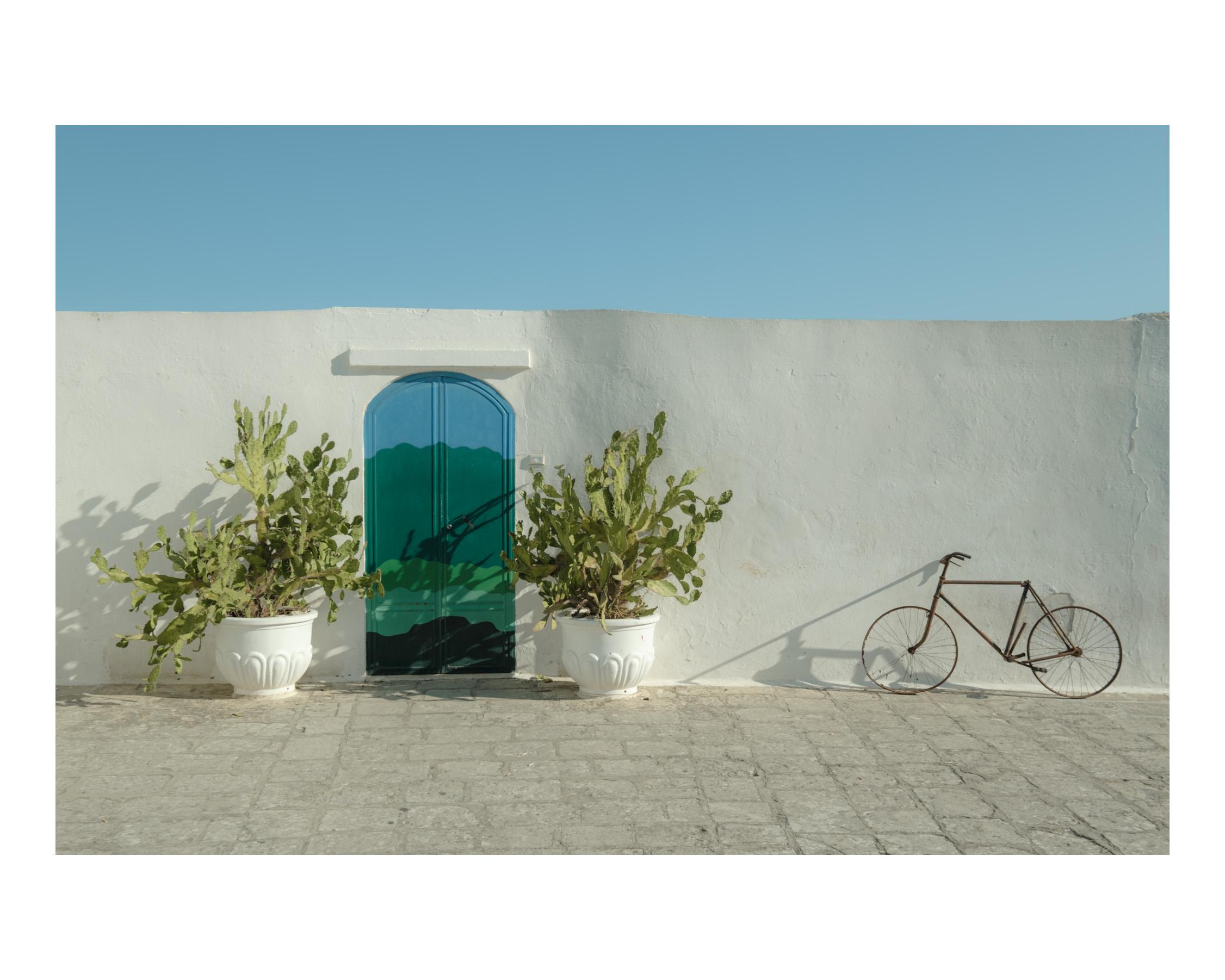
A bicycle leaning against a wall.
A pastel door.
A shadow crossing a silent street.
During my 2023 trip to Puglia, I found myself drawn to these kinds of moments — small fragments of everyday life that quietly reveal themselves if you slow down enough to notice them.
This series is not an attempt to imitate Ghirri’s work.
It is simply a tribute.
An attempt to observe ordinary places with patience, curiosity, and respect for their quiet beauty.
Who Was Luigi Ghirri?
Luigi Ghirri was one of the most influential Italian photographers of the twentieth century.
Working mainly during the 1970s and 1980s, he became known for his poetic color photographs of everyday landscapes. Instead of dramatic scenes, Ghirri photographed street signs, small buildings, postcards, tourist locations, and fragments of daily life.
At a time when black-and-white photography still dominated the art world, Ghirri helped redefine the role of color photography in Europe.
His images are quiet and observational.
They invite the viewer to look slowly and carefully.
More than anything, Ghirri showed that photography does not need extraordinary subjects.
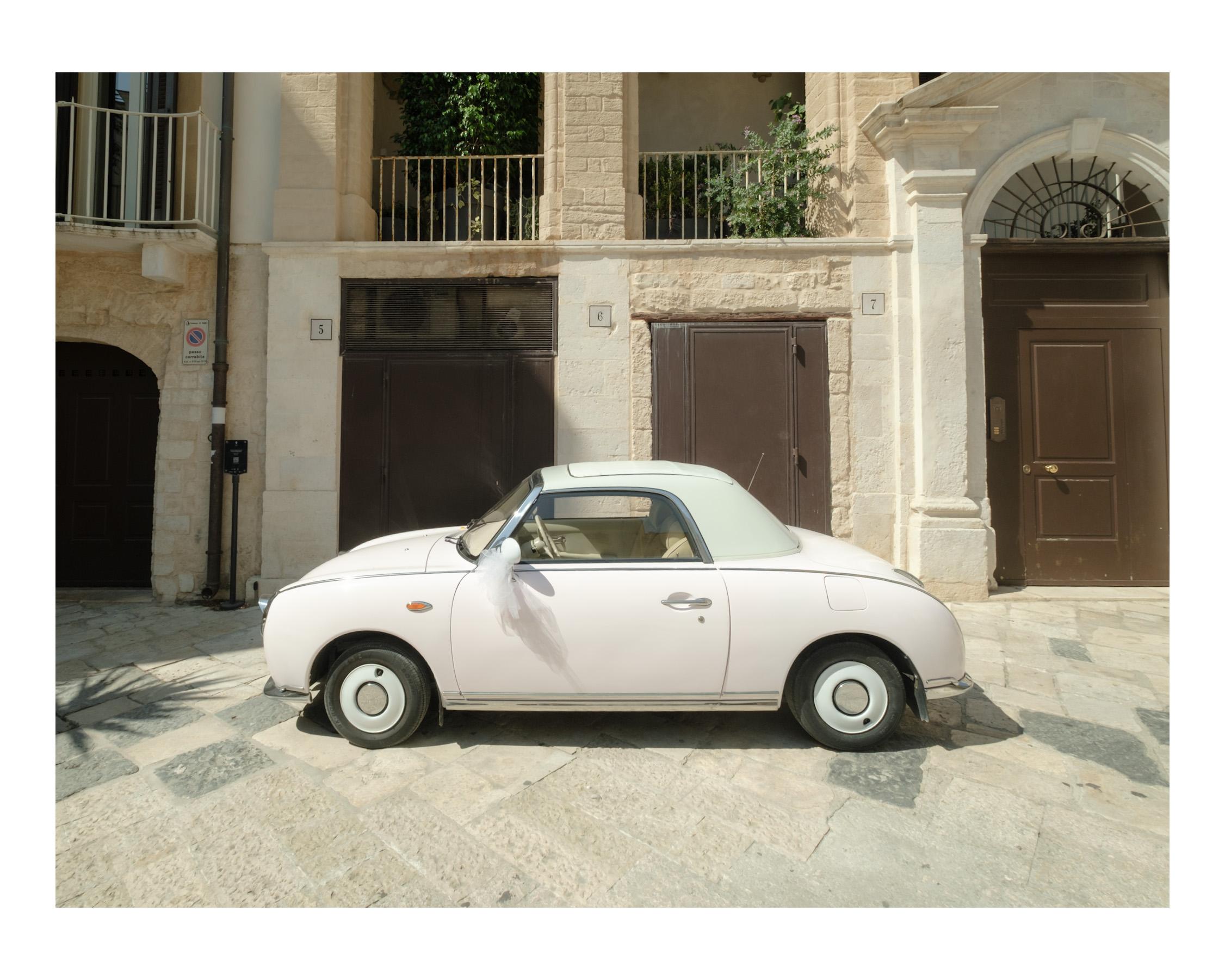
Often, the most meaningful images are hidden in the ordinary.
Camera and Lens: Fujifilm X-S10 and the 10-24mm
All photographs in this series were taken with a Fujifilm X-S10 paired with the Fujifilm 10-24mm lens.
Interestingly, the lens was not chosen as a conceptual decision for the project. It simply became the lens that stayed on the camera for most of the trip.
And in Puglia, it quickly proved to be the perfect choice.
Many towns in this region are made of narrow streets and compact spaces. Buildings stand very close to each other, leaving little room to step back when composing a photograph.
Because of this, a wider lens becomes extremely useful.
The 10-24mm allowed me to include architecture, walls, doors and urban details within the same frame, while still maintaining simple compositions.
Rather than isolating subjects, the wide perspective helped show how small elements relate to the surrounding space.
In many ways, it allowed the streets of Puglia to breathe inside the frame.
Film Simulation: Starting with Classic Chrome
For this series I started with one of Fujifilm’s film simulations: Classic Chrome.
Classic Chrome produces softer contrast and slightly muted colors compared to other simulations. The palette feels restrained and closer to documentary photography.
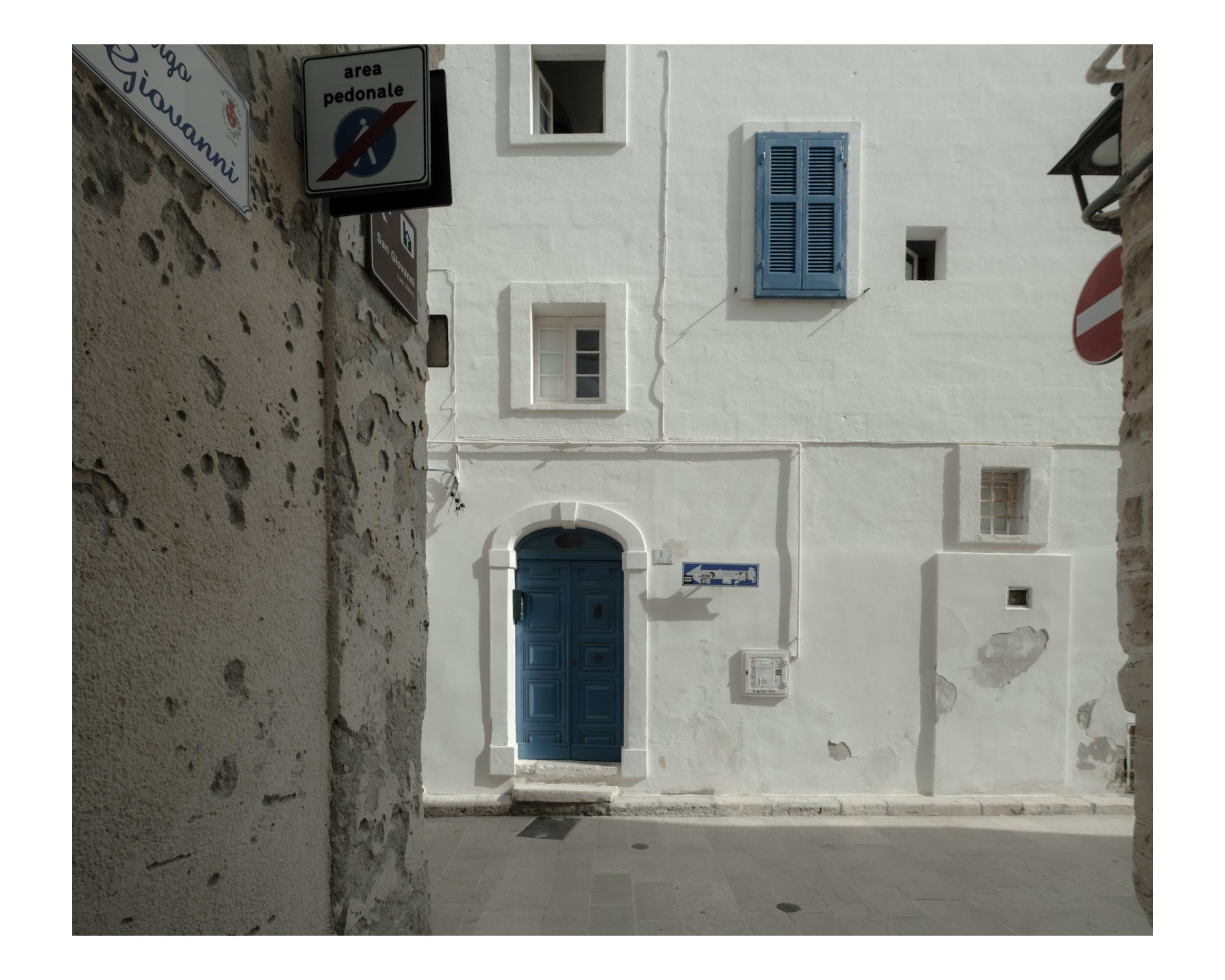
For a project inspired by the visual language of Luigi Ghirri, it felt like the perfect starting point.
Puglia already has beautiful natural colors — sun-bleached walls, pastel houses and Mediterranean skies.
I did not want to exaggerate these colors.
I wanted them to remain calm and believable.
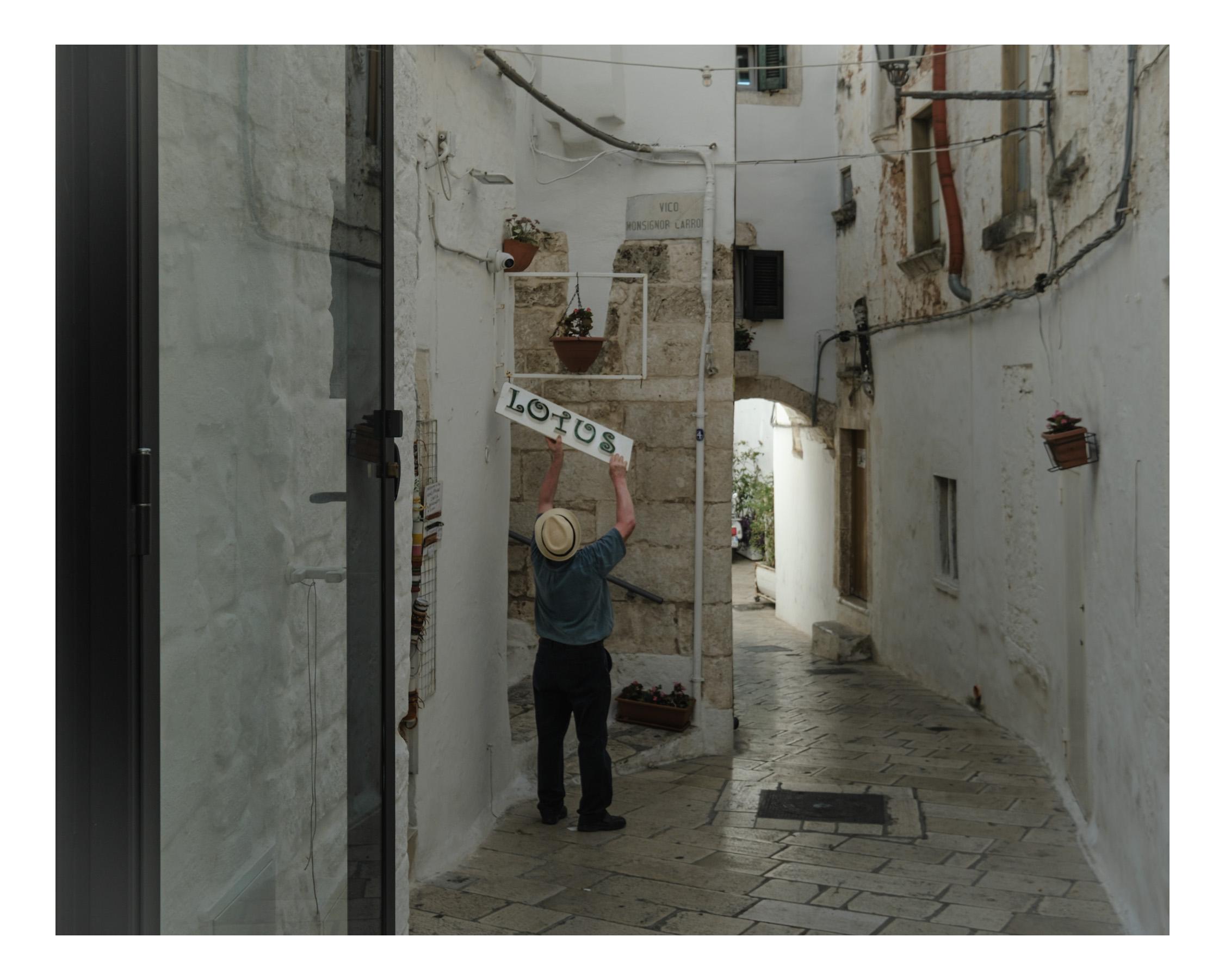
Classic Chrome provided a neutral base that already feels balanced straight out of the camera.
Fuji Settings Used for the Series
To maintain a soft and natural look directly in camera, the settings were kept intentionally simple.
Film Simulation: Classic Chrome
Dynamic Range: DR200
Highlight: −1
Shadow: −1
Color: −1
Noise Reduction: −4
Sharpness: −1
Grain Effect: Weak
White Balance: Auto with slight warm shift
These settings produce JPEG files that already feel balanced and natural, allowing the editing process to remain minimal.
Editing Direction
Most photographs in the series were edited using Lightroom Mobile.
The editing process was intentionally simple.
In most cases, each photograph took three to four minutes to edit.
Rather than dramatically transforming the image, the goal was simply to guide the colors toward a softer and more balanced palette.
Most of the adjustments were made in the Color Mix panel, including:
• slightly reducing yellow saturation
• softening greens
• increasing blue luminance
• gently balancing saturation across the palette
These small adjustments help create the soft Mediterranean tones that run throughout the series.
The whites remain bright but not harsh.
The colors stay subtle and calm.
The photographs feel closer to memory than to digital perfection.
Why I Edit Very Little
Many people assume that photographs shared online require long and complex editing.
For me, the opposite is often true.
I see no reason to spend hours polishing an image just to upload it to an app where someone might scroll past it in half a second.
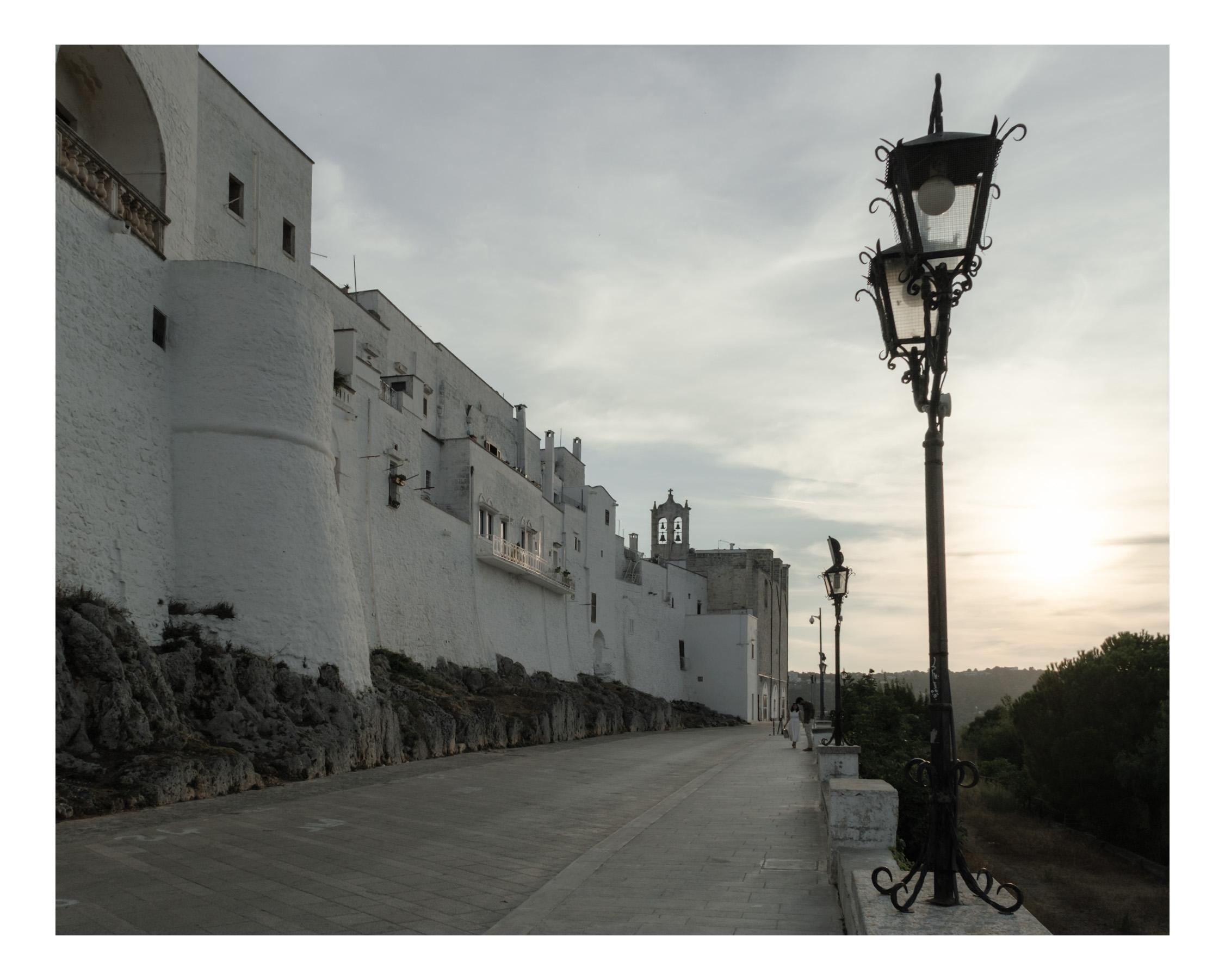
If I invest serious editing work into an image — opening it in Photoshop and refining it carefully — it usually means the photograph has a larger purpose.
Perhaps it will become part of a book.
Perhaps a print.
Perhaps a project where people can spend time with the image.
For work shared online, simplicity often feels more honest.
Most photographs in this series took only three or four minutes to edit.
And I am perfectly fine with that.
What Photographers Can Learn From Luigi Ghirri
One of the most important lessons from Luigi Ghirri is that photography does not need spectacular subjects.
Often, the most meaningful photographs are hidden in everyday places.
Some of the ideas that influenced this series include:
• slow down and observe ordinary scenes
• embrace simple compositions
• pay attention to colors and geometry
• photograph everyday spaces with curiosity
• allow photographs to remain quiet and subtle
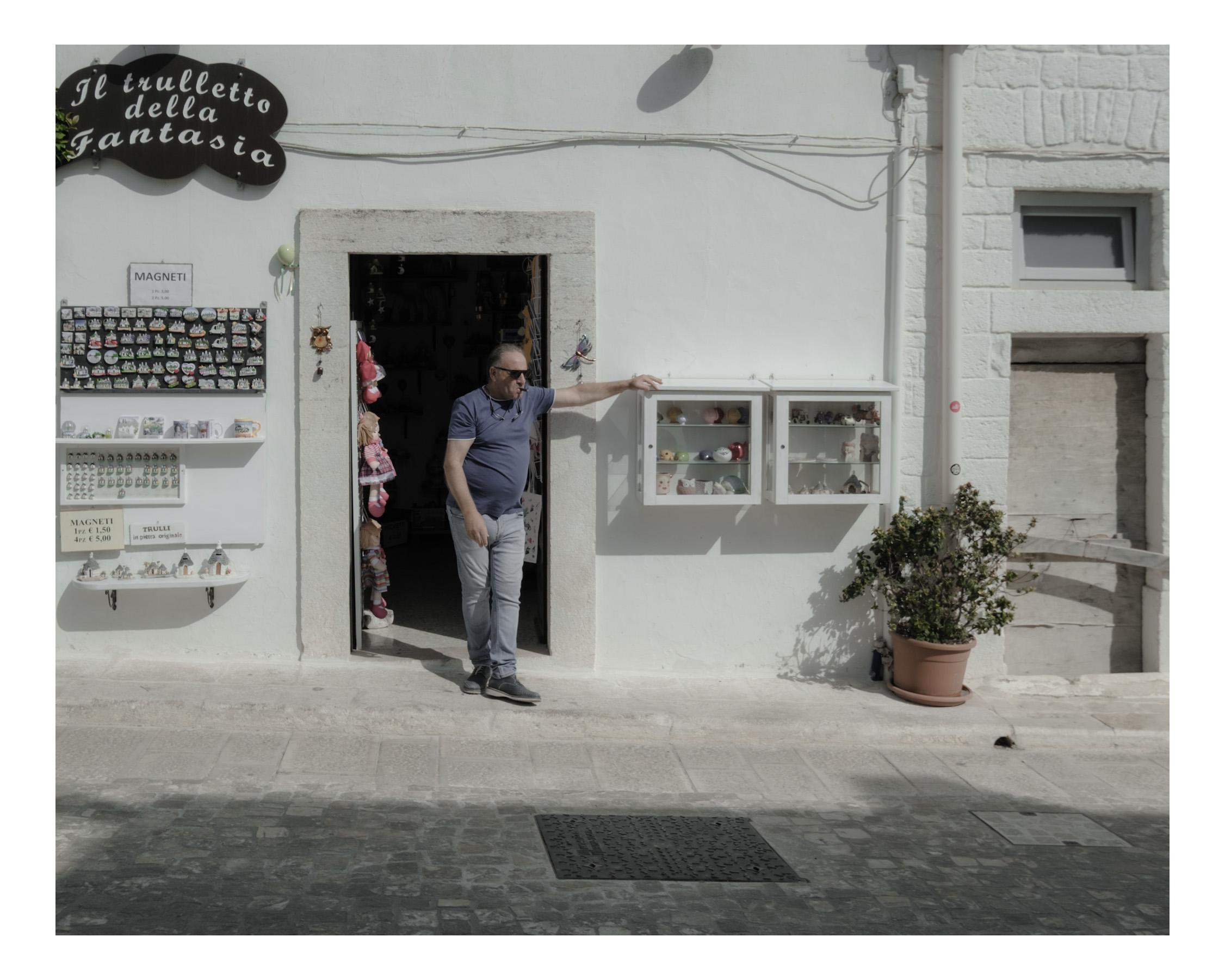
These ideas guided the way I photographed Puglia.
The Gallery
While there are only a few photographs in this article, the gallery on the website will hold more so if you enjoy them I encourage you to bookmark the page and return to it because as soon as the articles will be ready, I will start uploading what I consider to be my best works.
Quiet streets.
White architecture.
Mediterranean light.
Small fragments of everyday life.
A tribute to Luigi Ghirri.
Photo Series Details
Location: Puglia, Italy
Year: 2023
Camera: Fujifilm X-S10
Lens: Fujifilm 10-24mm
Film Simulation: Classic Chrome
Editing: Lightroom Mobile
Further Reading: Luigi Ghirri in Puglia
If you would like to explore Luigi Ghirri’s relationship with this region more deeply, I highly recommend the photobook Puglia. Tra albe e tramonti.
The book gathers photographs made by Ghirri during several visits to Puglia and beautifully captures the quiet atmosphere of southern Italy.
👉 https://mackbooks.co.uk/products/puglia-tra-albe-e-tramonti-br-luigi-ghirri
It is a wonderful way to experience how Ghirri saw this landscape.
Fără comentarii