

12 mart. Shooting basketball on a budget with the Fuji X-T20
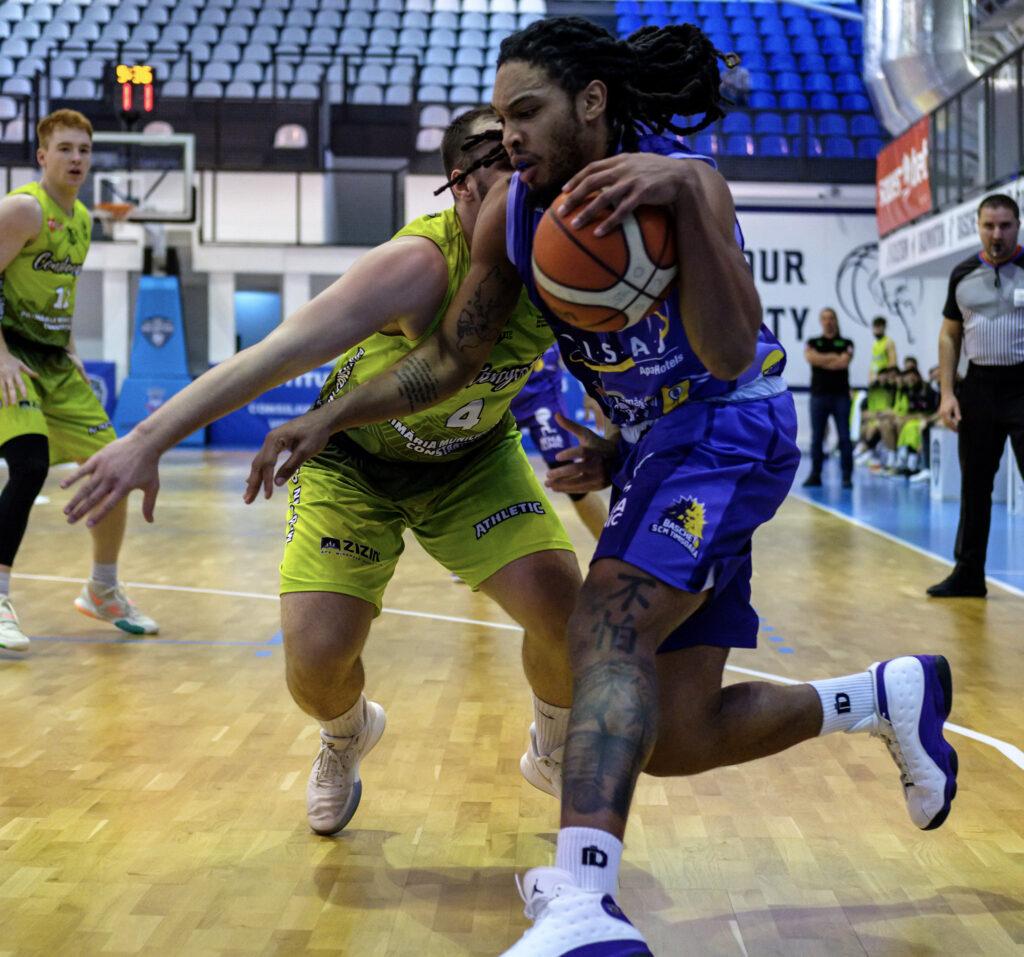
Small note: Rewriting and publishing this article brings a tear in my eye. It has been over five years since I published it originally and in January 2020, during Covid, these were the first ever sport events I ever photographed. This is how it all started for me. Tournaments, indoor, Covid, no spectators, a Fuji X-T20 and two lenses: 35mm and 50mm f2.
Since then, I never looked back. Even though I shoot Nikon for sports now, this is how I entered the sports world. On a winter’s night in Voluntari, Romania with a cheap setup, no editing skills and not much idea of what will follow next.
Basketball is one of the most dynamic sports you can photograph
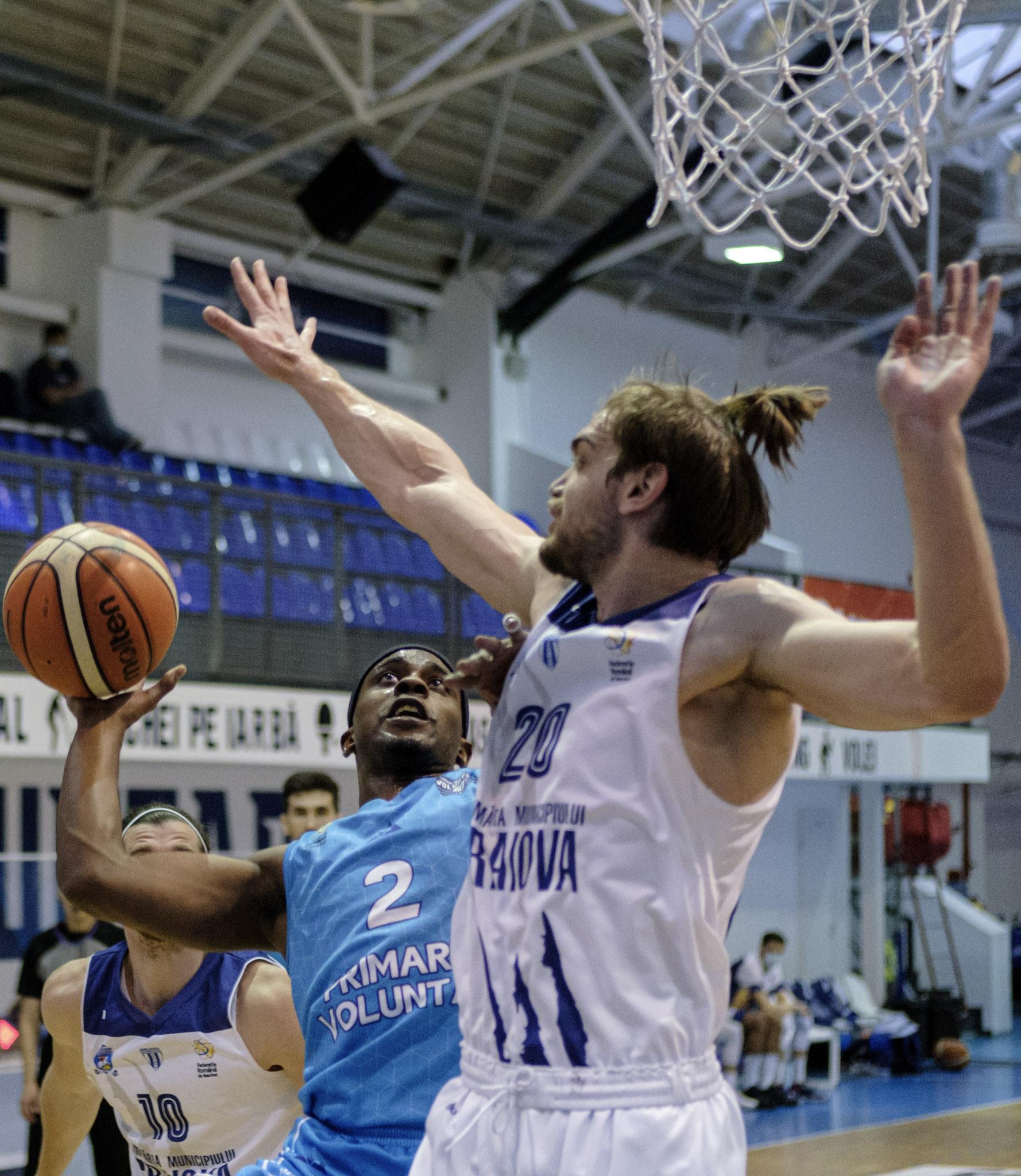
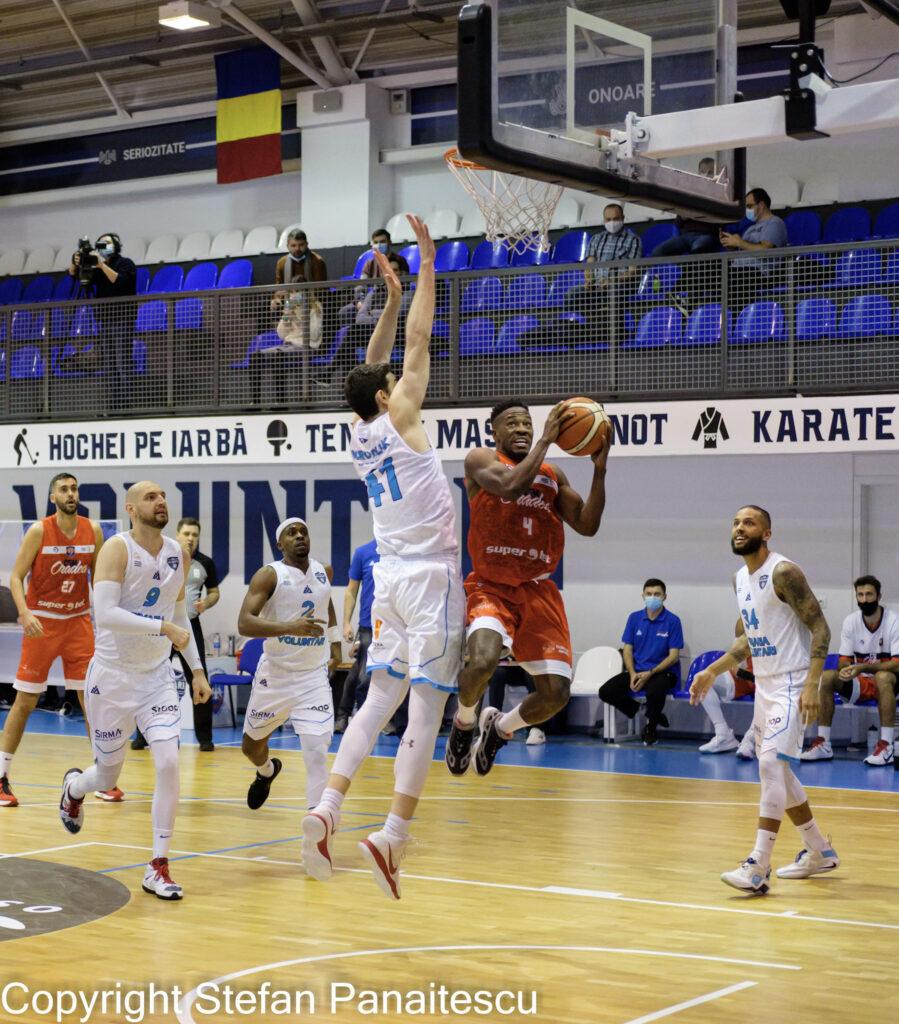
The speed of the game, the intensity of the players and the dramatic moments near the basket create fantastic photographic opportunities.
However, many photographers believe that shooting basketball requires expensive professional gear.
Large telephoto lenses, fast cameras and professional sports equipment can certainly help. But you can capture strong basketball images even with a relatively simple setup.
This article explains how I approached basketball photography with a lightweight camera system and how understanding positioning and camera settings can make a bigger difference than expensive gear.
Why Basketball Is Difficult to Photograph
Indoor sports photography is challenging for several reasons.
First, most basketball games are played inside sports halls where the light is often limited and uneven.
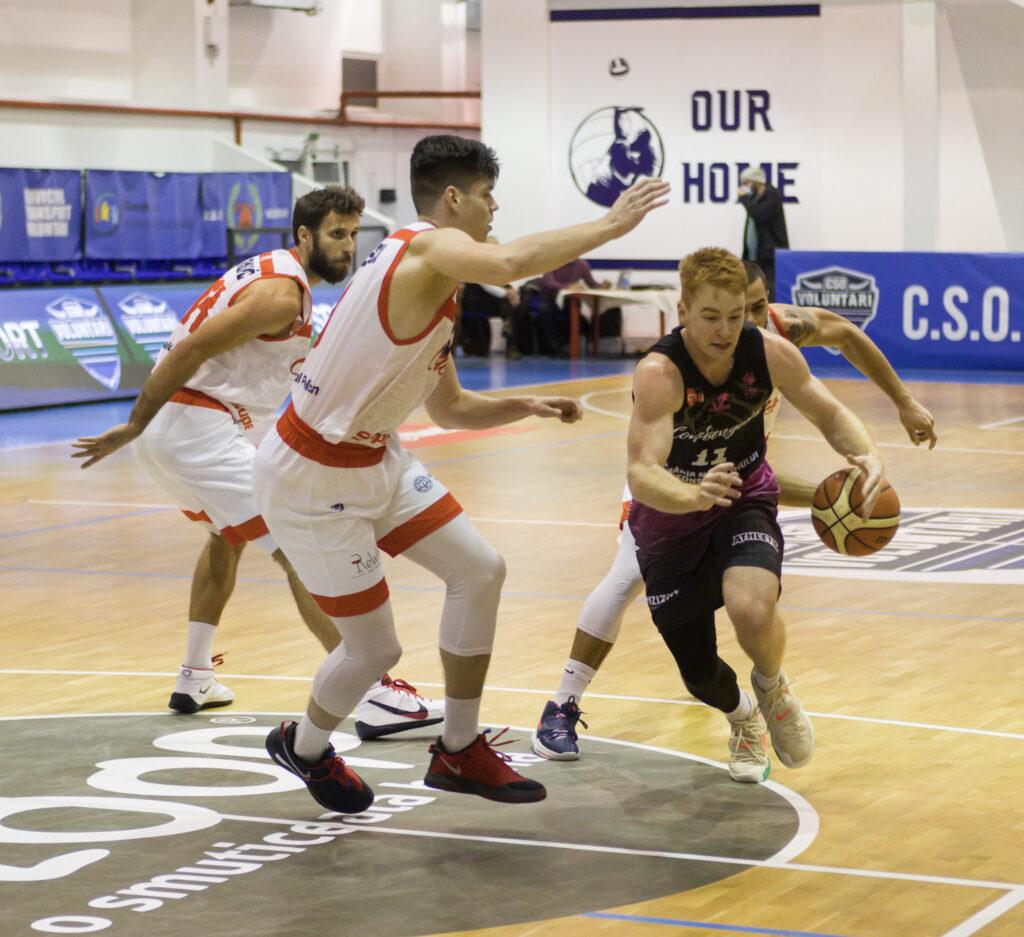
Second, the action is extremely fast. Players jump, sprint and change direction constantly.
Third, the game is unpredictable. A great moment can happen in a fraction of a second and if you are not prepared you will miss it.
Because of these factors, basketball photography requires:
• fast shutter speeds
• reliable autofocus
• good positioning around the court
Without these elements it becomes very difficult to capture sharp and dynamic images.
My Budget Basketball Photography Setup
For this basketball shoot I used a very simple setup.
Camera
Fujifilm X-T20
Lenses
Fujifilm XF 35mm f/2
Fujifilm XF 50mm f/2
This is far from the typical professional sports photography kit, which often includes cameras like the Nikon D850 or Canon R3 combined with large telephoto lenses.
However, the Fujifilm system proved more than capable of capturing strong images during the game.
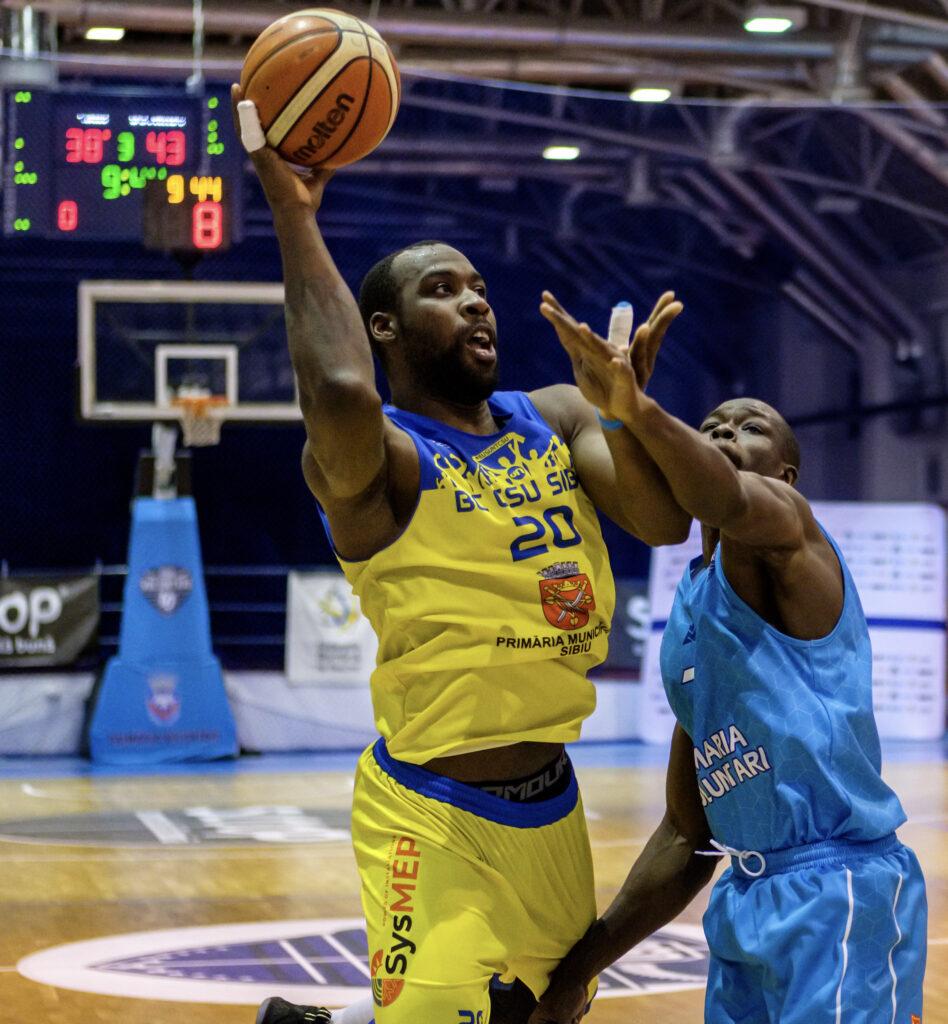
Because I did not have a long telephoto lens, I needed to focus more on anticipation and positioning.
Understanding the Flow of the Game
Before the match started I spent a few minutes watching the players during warm-ups.
This helped me understand several important things:
• where the most action happens
• how players move near the basket
• how fast the game rhythm is
Basketball action usually concentrates near the basket during rebounds, layups and defensive plays.
By understanding this pattern, it becomes much easier to predict where the decisive moments will happen.
Best Camera Settings for Basketball Photography
Indoor basketball requires a balance between fast shutter speed and acceptable ISO levels.
For most of my images I used the following settings.
Shutter speed
1/1000 sec
Aperture
f/2 – f/2.5
ISO
around ISO 3200
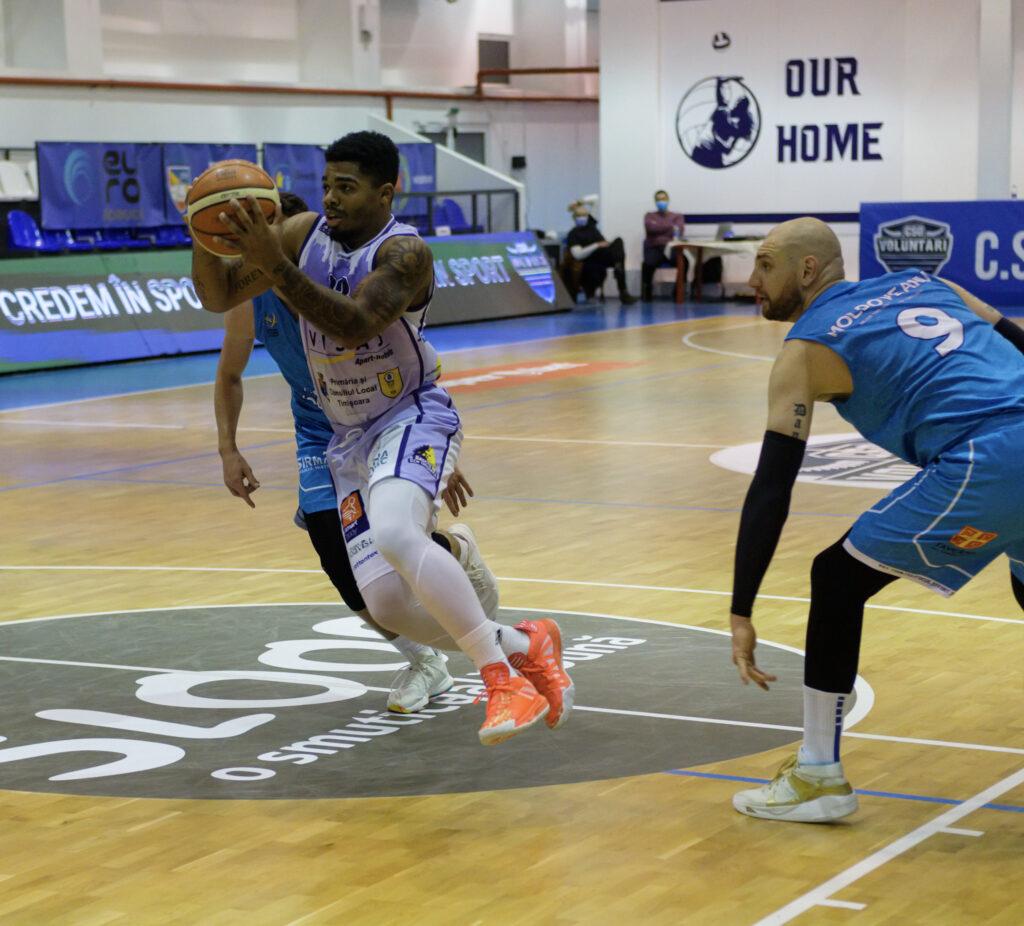
These settings allowed me to freeze the action while keeping image noise under control.
A shutter speed of at least 1/800 or 1/1000 is usually necessary to capture sharp images when players jump or sprint.
Autofocus and Continuous Shooting
Autofocus is critical for sports photography.
Because players move quickly and unpredictably, using continuous autofocus mode is essential.
Burst shooting can also increase the chances of capturing the perfect moment.
However, timing is still more important than simply holding the shutter button.
Understanding the rhythm of the game helps much more than relying only on high frame rates.
Positioning on the Court
Since I did not have a long telephoto lens, I positioned myself close to the action.
Most of my photos were taken from the baseline near the basket.
This is one of the best places to photograph basketball because:
• players attack the basket
• rebounds happen there
• emotional reactions are easier to capture
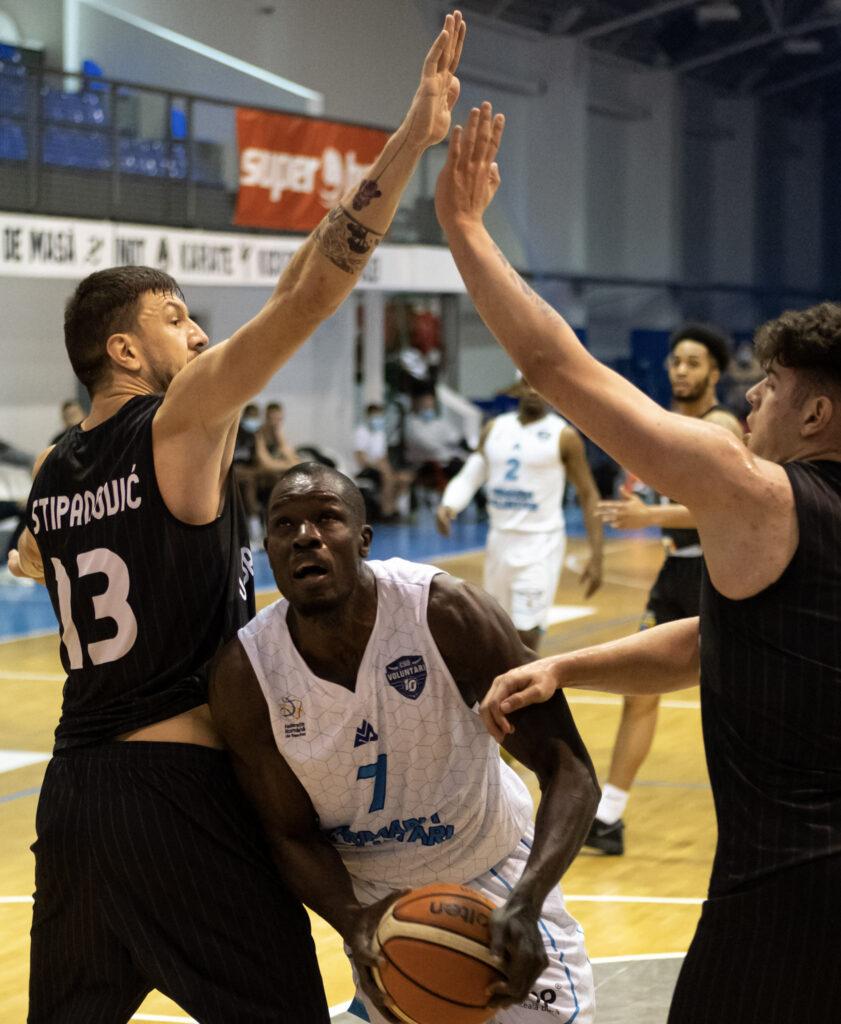
The challenge is that referees and players can block your view, so you need to remain alert and ready to reposition.
Using Prime Lenses for Sports Photography
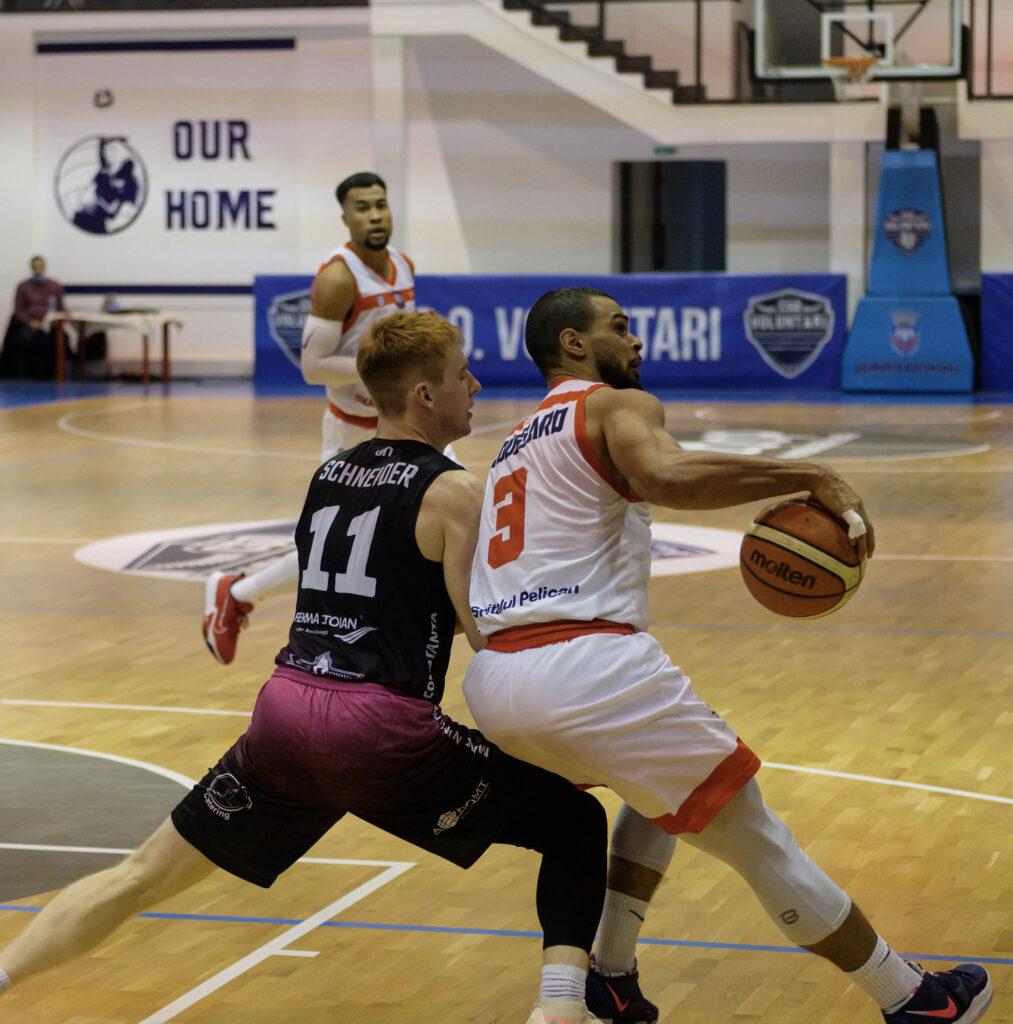
Many sports photographers prefer zoom lenses because they offer flexibility.
However, prime lenses can also work very well.
Advantages of prime lenses include:
• wide apertures
• excellent image quality
• lightweight gear
The main disadvantage is limited reach.
Because of this limitation I sometimes needed to crop images in post-processing.
But even with these limitations, strong and dynamic images were still possible.
Editing Basketball Photos
My editing workflow was relatively simple.
After importing the images I followed a few basic steps:
• selecting the strongest frames
• straightening the image if needed
• cropping for better composition
• adjusting exposure slightly
• applying moderate noise reduction
Indoor sports photography often requires small exposure corrections because lighting conditions inside gyms can vary.
Most of my images needed only minimal adjustments.
What I Would Improve Next Time
Although the setup worked well, a longer lens would make basketball photography easier.
A lens like the Fujifilm XF 90mm f/2 would provide more reach while maintaining excellent image quality.
That would allow me to capture action happening on the opposite side of the court.
However, this experience confirmed that strong sports photography does not always require expensive professional equipment.
Final Thoughts
Basketball photography can seem intimidating at first, especially when you see professional photographers working with large telephoto lenses and high-end cameras.
But great sports images come more from understanding the game, anticipating the action and choosing the right position.
Even with a small camera and simple lenses you can capture powerful moments.
If you want to improve your sports photography, the best approach is simple.
Go to games, observe the players and practice.
Over time you will start to recognize the patterns of the game and your photographs will become stronger and more dynamic.
Fără comentarii