

13 mart. Reflections after Six Years with the Fujifilm system
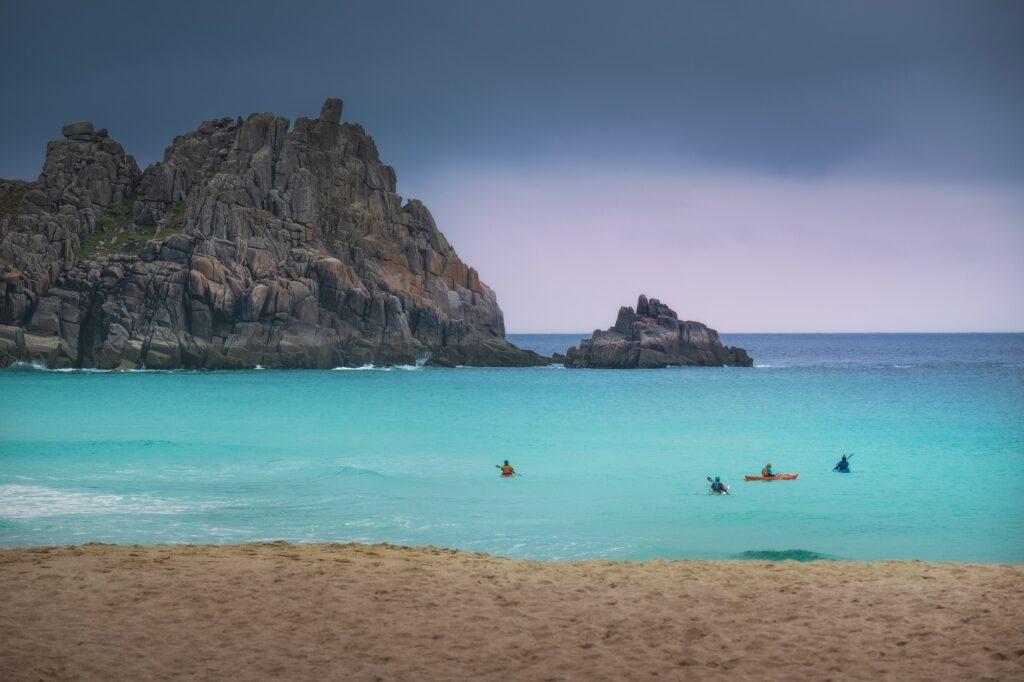
In September 2023, I found myself lying on a sunbed on a beach in Puglia, Italy.
The sun was warm, the sea calm and the atmosphere relaxed.
It was during that quiet moment that I started thinking about my relationship with photography and with the Fujifilm system.
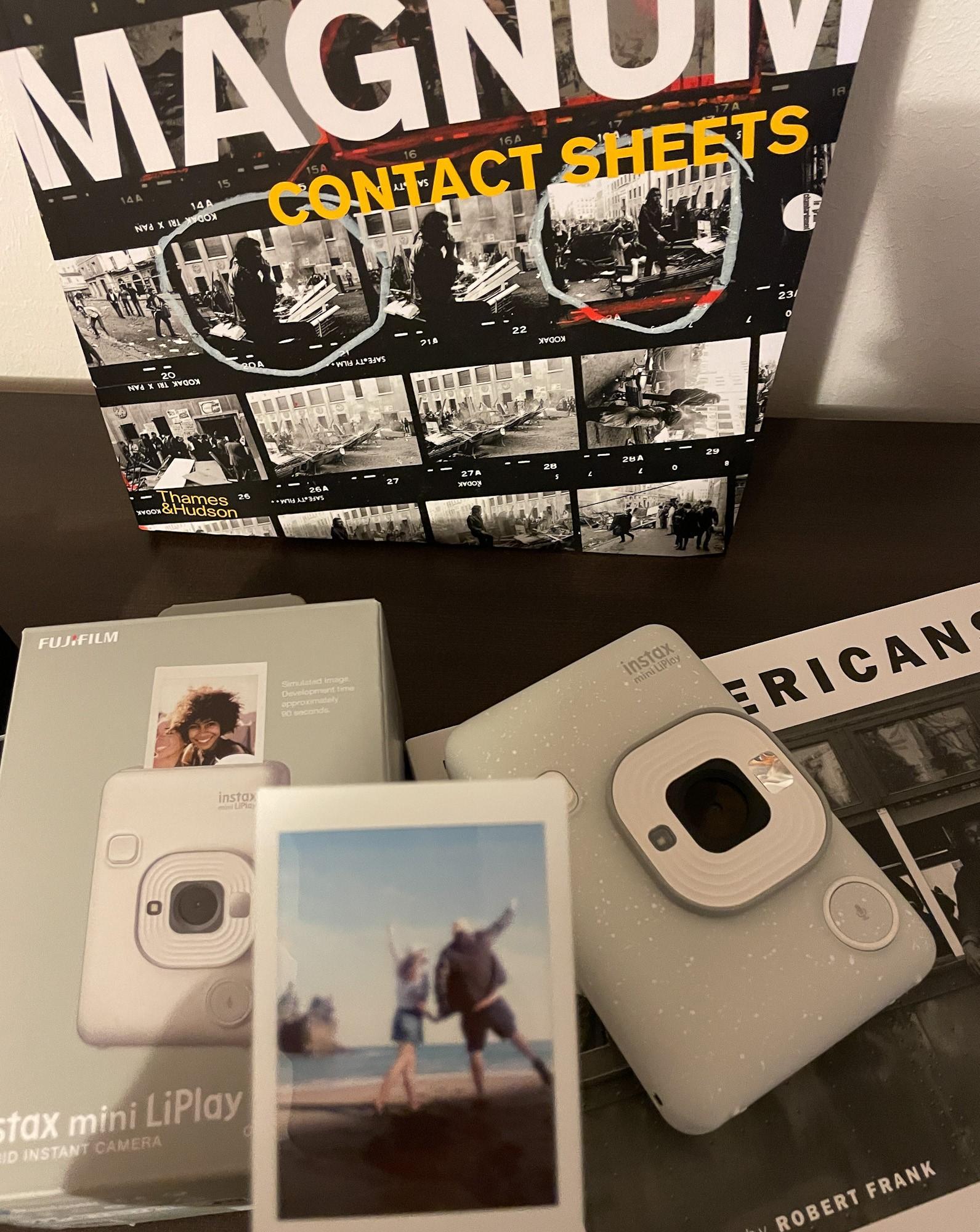
In November that year, six years had passed since I bought my first Fuji camera, the Fujifilm X-E2.
Six years is a long time in the world of photography gear.
Cameras come and go, new models appear every year and technology constantly improves.
But photography itself is not only about equipment.
It is about the experiences we accumulate along the way.
How My Journey with Fuji Started
My journey with Fujifilm began in November 2018.
Before that I had been using a Sony camera system.
Sony cameras produced excellent image quality, but over time I realized that something was missing.
I was not enjoying the process of taking photographs as much as I wanted.
The menus felt complicated, the cameras did not inspire me and the entire experience became more technical than creative.
When I bought the Fujifilm X-E2, something changed immediately.
The physical dials, the manual controls and the overall design made photography feel more natural again.
For the first time in a long time, using a camera felt enjoyable.
Six Years of Photography Experiences
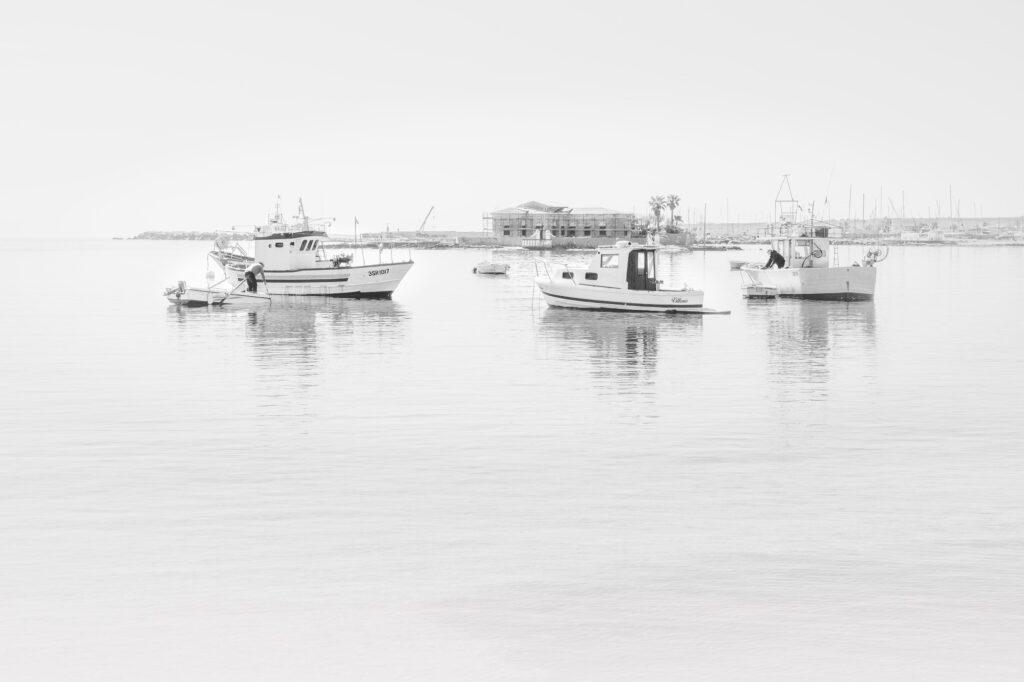
During those six years the Fuji system accompanied me on many trips and adventures.
I photographed cities, mountains and small villages across Europe.
Some trips lasted only a few days.
Others became longer journeys that allowed me to explore places more deeply.
Photography became part of the experience of traveling.
Not something separated from it.
Over time the cameras changed.
The lenses changed.
But the purpose remained the same: documenting moments and places that felt meaningful.
Travel Photography and Heavy Camera Bags
During my trip to Puglia I carried quite a lot of equipment.
Inside my backpack were several pieces of gear:
• Fujifilm X-S10
• Fujifilm X-T20
• Fuji 10-24mm
• Fuji 18-55mm
• Sigma 18-50mm
• Fuji 55-200mm
• filters, batteries and a small tripod
After walking more than 14,000 steps per day through places like Matera and Ostuni, I realized something important.
My camera bag had become heavy again.
Years earlier I had switched systems partly because I wanted a lighter travel setup.
But slowly, over time, my gear had started to grow again.
And when you walk long distances every day, you really start to feel that weight.
Missing Moments While Changing Lenses
One of the most frustrating experiences during travel photography is missing a moment because you have the wrong lens mounted.
During my trip I experienced several situations like this.
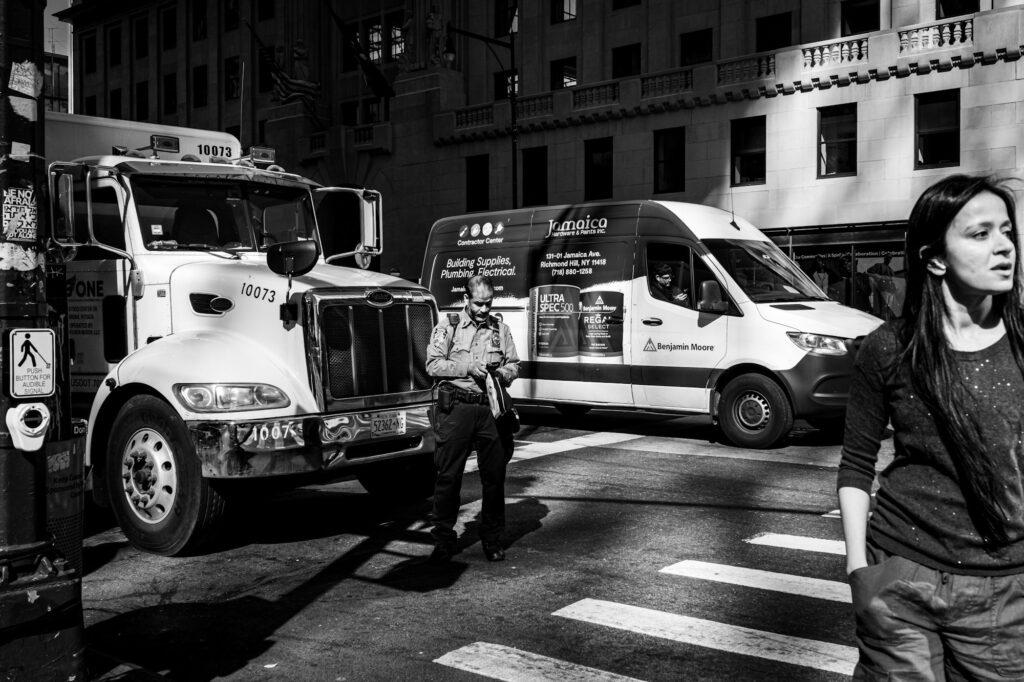
A beautiful scene would appear suddenly.
An old man reading a newspaper in a quiet alley.
Two children playing under a window.
A woman talking from a balcony to someone on the street.
But sometimes I had a wide lens when I needed a telephoto.
Other times I had a telephoto when I needed something wide.
By the time I changed lenses, the moment had already disappeared.
That experience made me rethink something about travel photography.
Flexibility often matters more than perfection.
Zoom Lenses vs Prime Lenses
Many photographers prefer shooting with prime lenses.
They argue that primes help develop a consistent style and force you to think more carefully about composition.
While that approach works well in controlled environments, travel photography is often unpredictable.
When you are walking through a city with limited time, a zoom lens can be extremely useful.
It allows you to react quickly and capture moments that would otherwise be lost.
In real-world travel situations, flexibility can be more valuable than strict photographic rules.
The Temptation to Change Systems
During that trip I also found myself thinking about something many photographers experience at some point.
Switching camera systems.
Because I also shoot sports photography, I sometimes consider using a full-frame system for travel as well.
For example, a camera combined with a versatile 24-200mm zoom lens could simplify the entire setup.
One camera. One lens. One lightweight travel kit.
That idea is very tempting.
But at the same time, leaving the Fuji system after so many years would not be an easy decision.
Travel First, Photography Second
Despite all the gear discussions and technical considerations, the most important realization during that trip was something very simple.
I am a traveler first and a photographer second.
The memories created during a trip are more important than the photographs themselves.
Walking through the streets.
Sharing meals.
Enjoying coffee in small cafés.
Watching people go about their daily lives.
These experiences matter just as much as the images captured along the way.
Sometimes the best decision is to lower the camera and simply enjoy the moment.
Looking Back After Six Years
When I look back at the last six years with Fuji, I realize that the system gave me much more than just photographs.
It allowed me to:
• travel more
• write about photography
• meet other photographers
• publish articles
• document meaningful moments
Of course, the system is not perfect.
No camera system is.
But the cameras still feel good in my hands.
They still make me want to go out and shoot.
And in photography, that feeling is extremely important.
Final Thoughts
After six years with Fujifilm, I still do not know what the future holds.
Maybe I will continue using Fuji for many years.
Maybe one day I will try a different system.
Photography evolves and photographers evolve with it.
But one thing remains certain.
The most important part of photography is not the camera.
It is the experience of exploring the world, meeting people and capturing moments that make us smile when we see them again.
And if a camera helps you do that, then it is the right camera for you.
Fără comentarii