

11 mart. 2.1.22. 4107 — Tenerife, Photography, and the Things I Want to Keep
At first glance, this title probably sounds like some kind of mystery.
A secret code.
Maybe something out of an Agatha Christie novel.
But unlike in a detective story, I’ll tell you the meaning right from the beginning.
2 means two people. Me and my fiancée.
1 means one location. Tenerife.
22 is the number of days we spent there during our winter holiday.
4107 is the number of photographs I took in those 22 days.
I have many ideas in my mind and already two or three articles are almost ready, just waiting for the right moment to send them to Hugo and Mauricio. But for this one, after some thought, I decided to follow the structure of my Lessons Under the Tuscan Sun article.
With a few twists, of course.
I had never been away for so long in my life.
I’d done 10–15 day trips before, but never a full 22-day trip.
So this article is really about what kept returning to my mind at the end of the year — thoughts about photography, habits, family, learning, people, editing, and what I want to carry with me into the future.
Christmas Away from Home
I left home on December 19th.
I am 43 years old — in fact, I celebrated my birthday in Tenerife — but I had never spent Christmas away from home before.
For 42 years, Christmas had always meant the same things.
Family. Friends. A Christmas tree. Decorating the house. Spending time with my parents. Cooking traditional food. Dressing warmly. Listening to carols in my parents’ house.
So I’ll be honest: the first week in Tenerife felt strange. Nostalgic.
I wasn’t used to spending Christmas without family, without the tree, without moving between my parents’ house and my fiancée’s parents.
I was so used to buying my own Christmas tree, looking for gifts and eating traditional food that everything around me felt somehow unreal.
There I was in Tenerife, wearing shorts and a T-shirt, sweating on the beach, looking at palm trees and people swimming in the ocean.
And I missed home. My fiancée did too.
Maybe it sounds strange, but I think we Romanians are deeply attached to our families and to our rituals.
I grew up around all kinds of people — shady people, convicts, dealers — and I know this might sound funny now, but one of my old friends once said something I never forgot:
“Christmas and Easter are for family. I might be gone the rest of the year, but on those two days I will always be home.”
That stayed with me.
So when the holiday ended, I asked my fiancée how she felt, and we both agreed on something simple:
Spending a month away is not a problem.
But leaving for Christmas again? Probably not anytime soon.
Maybe it’s just our thing.
Maybe it’s a Romanian thing.
But we really did miss seeing our families at Christmas.
What This Has to Do with Photography
How does this connect to photography?
Very simple.
I see many people online asking what kind of photography they should branch into, what they should experiment with, what they should try next.
And yes — trying new things is wonderful.
Experimentation helps you grow.
But there are also things that never change.
Things you love shooting. Things that feel natural. Things that make you feel good.
Don’t abandon those.
If it feels right, if you truly enjoy it, that matters more than almost anything else.
Barney Stinson in How I Met Your Mother kept saying that “new is always better.”
But we all know that isn’t always true.
Some old things cannot be replaced.
And sometimes the things that stay with us the longest are exactly the things that already feel familiar.
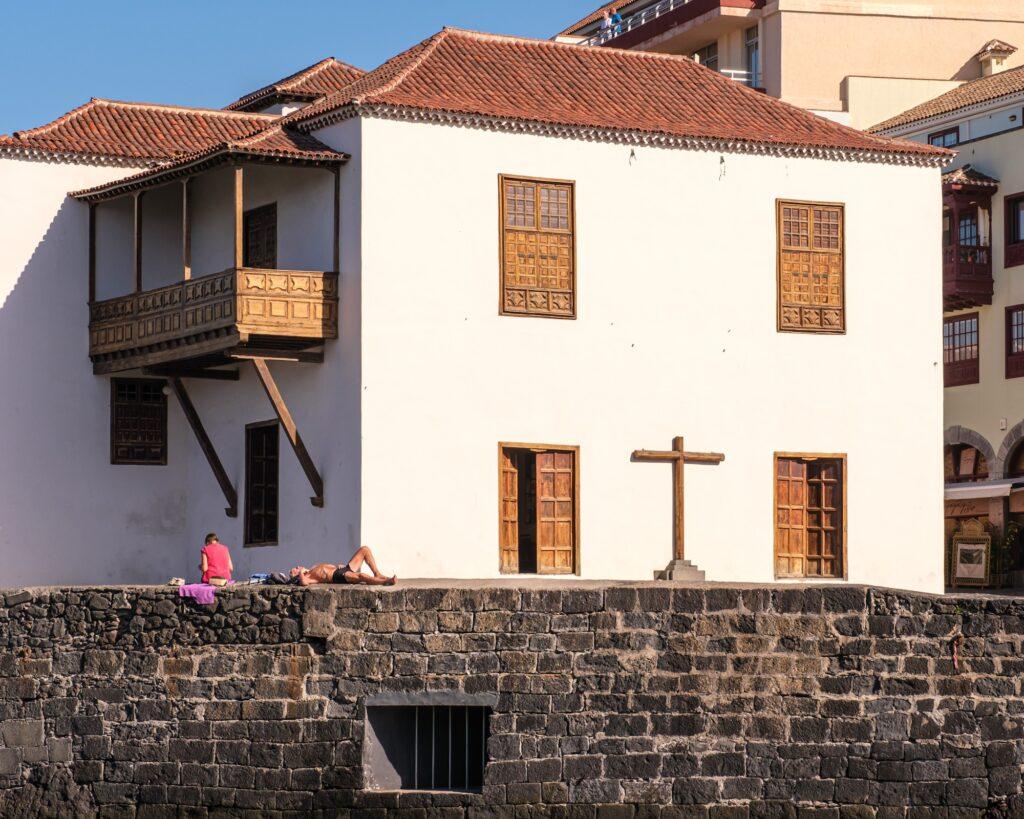
Gear Is Not Enough — Education Matters
I discovered photography late in life.
In 2018, to be precise.
I don’t have one of those stories where I was a child and my family gave me a camera and I slowly fell in love with it over the years.
I am self-taught. And later, once I reached a certain level, I started learning from others.
Books. Courses. Workshops. Mentors.
I know I might be in the minority, but whenever I look at a new lens, a new camera or a new filter, I also look at education.
That has always mattered to me.
And what has surprised me over the years is how many photographers seem to completely ignore education.
Or dismiss the work of others.
Or simply close themselves off from learning.
I know people who spent 5,000 to 10,000 euros on gear in a single year and whose photographs still look the same.
I know people who bought expensive computers but never paid for an editing course, never watched a serious tutorial, never really invested in improving themselves.
And it shows.
It really shows.
I know people who bought a GFX 50, a Canon R1, a Nikon Z8 — and whose pictures still look like they were taken on an iPhone.
I also know people who laughed at me for paying for editing classes or for having a mentor help me shape my portfolio and rethink my ideas.
But the point is simple.
Don’t be like them.
Invest in yourself too.
And not only in photography.
Invest in your body as well.
Being able to travel to the Dolomites is wonderful.
But what is even more wonderful is being able to hike there, enjoy the full experience and know your body can handle that effort.
So put time aside not only for gear and editing, but for learning and movement too.
And do that increasingly as you age.
Because our minds and our bodies both need to be challenged.
We are not meant to sit still all day.
We are meant to move.
To hunt — in our case, photograph.
To remain curious about the world.
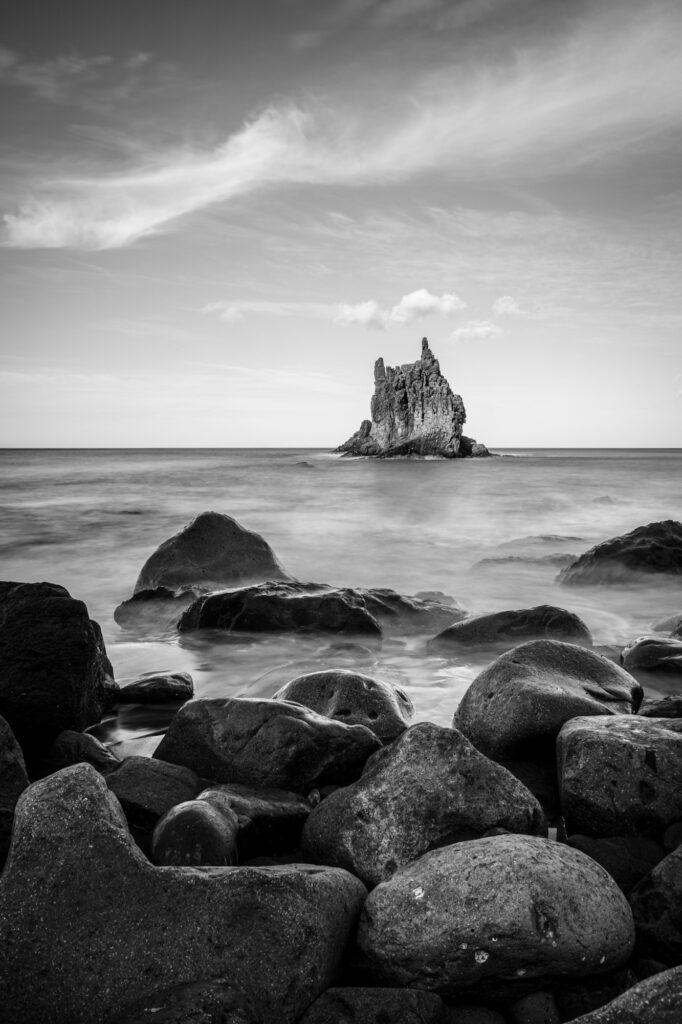
Why Talking to People Matters
All my life, I have been a people person.
Ever since I was a child, I spent hours, days, entire weeks outside, talking with the boys.
And maybe, strangely enough, that helped me more than almost anything else.
When we were kids, we had no internet.
No smartphones.
For many years, not much television either.
We weren’t constantly connected to big news or the outside world.
So what did we do?
We talked.
And because our lives were relatively small back then, we kept returning to the same stories, the same people, the same events.
Again and again.
But each time we had to find a new way to tell those stories.
Different words. Different emphasis. Different angles.
We were forced to become creative with language.
To shape stories in different ways.
And I believe that helped me tremendously later in life — with writing, with connecting to people, with how I communicate at work, with how I write articles and think about photobooks.
So the lesson here is simple: Don’t settle for only one way of doing things.
Not in life.
Not in photography.
Turn. Twist. Change settings. Try a different angle. Tell the same story in ten different ways.
That is how you grow.
Not by mastering only one approach, but by learning how to adapt and reinterpret.
Why I Keep Returning to People
One of the most important things I’ve learned over the years is to remain true to yourself.
And I have always been fascinated by people.
Yes, I love photographing nature.
But there is something magical about photographing people.
Joy. Sorrow. Laughter. Tears. Movement. Scale. Context.
As I said earlier, I’ve always been a people person.
I’m easy to talk to.
I join conversations easily.
I have patience.
I enjoy explaining things.
More than that, I am fascinated by the human body and what it can do — so much so that I even worked as a fitness trainer and hold international nutrition certifications.
So regardless of how much Excel and PowerPoint I may do at work, talking to people, helping them, teaching, learning from them — these have always felt meaningful to me.
And while I spent time trying to photograph places without people, I slowly realized something:
I enjoy photographing people.
But not in an aggressive, in-your-face way.
Not in a Bruce Gilden way.
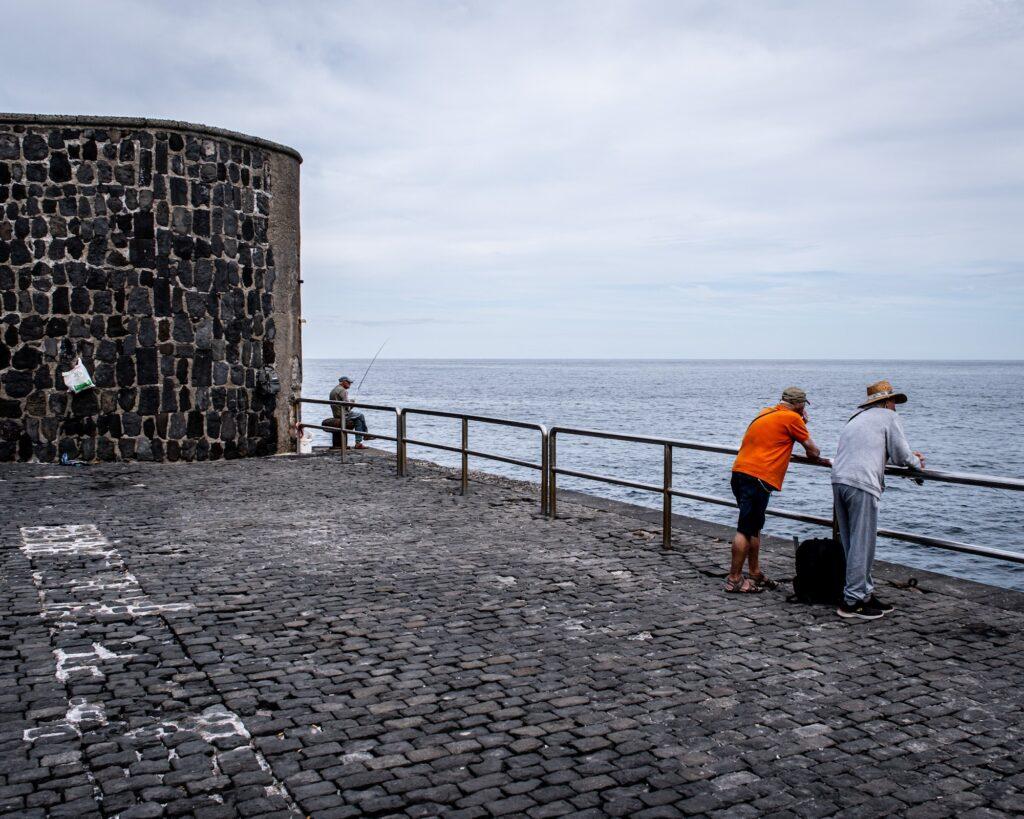
What I like is scale.
I like context.
I like showing how small we are next to a mountain, a monument, a street, an alley, a city.
We are all so self-centered sometimes, so used to feeling like the world revolves around us.
And then a photograph reminds us how small we are.
That change of perspective matters.
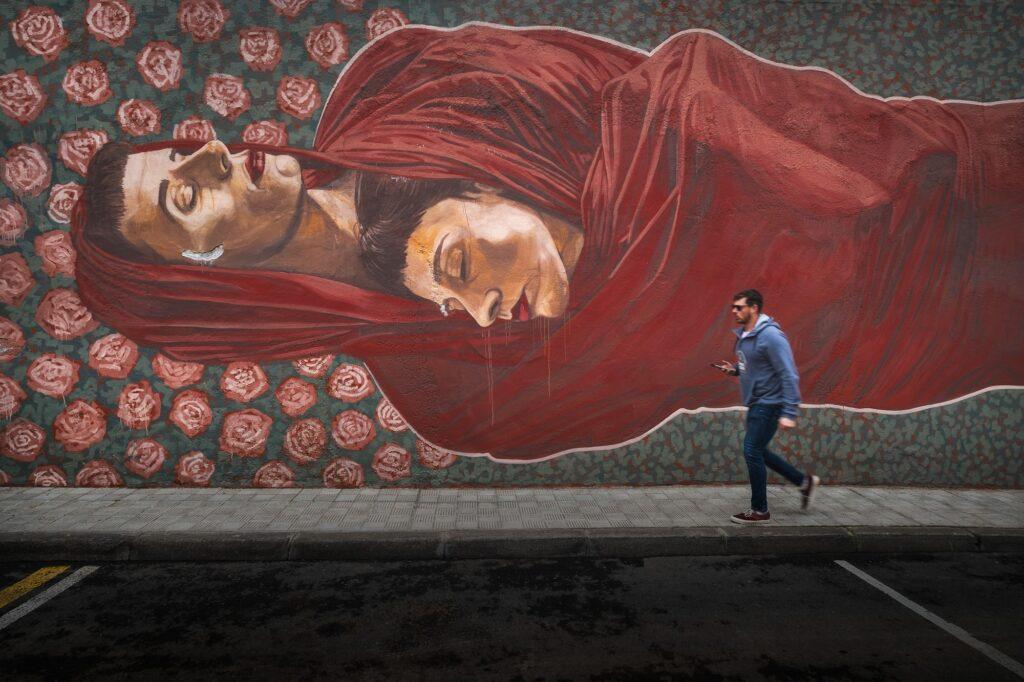
Lately, my focus has shifted more toward photographing small aspects of life in the cities I visit.
Without interfering. Without stalking people. Without chasing them with the camera.
Just framing them — often from behind, as silhouettes, as shadows, as small presences inside a larger scene.
And I think this is where I want to grow the most in 2025.
Photographing people.
In sports. In travel. In my hometown.
I want to go out more, spend more time among people, and learn to photograph them without disturbing their lives.
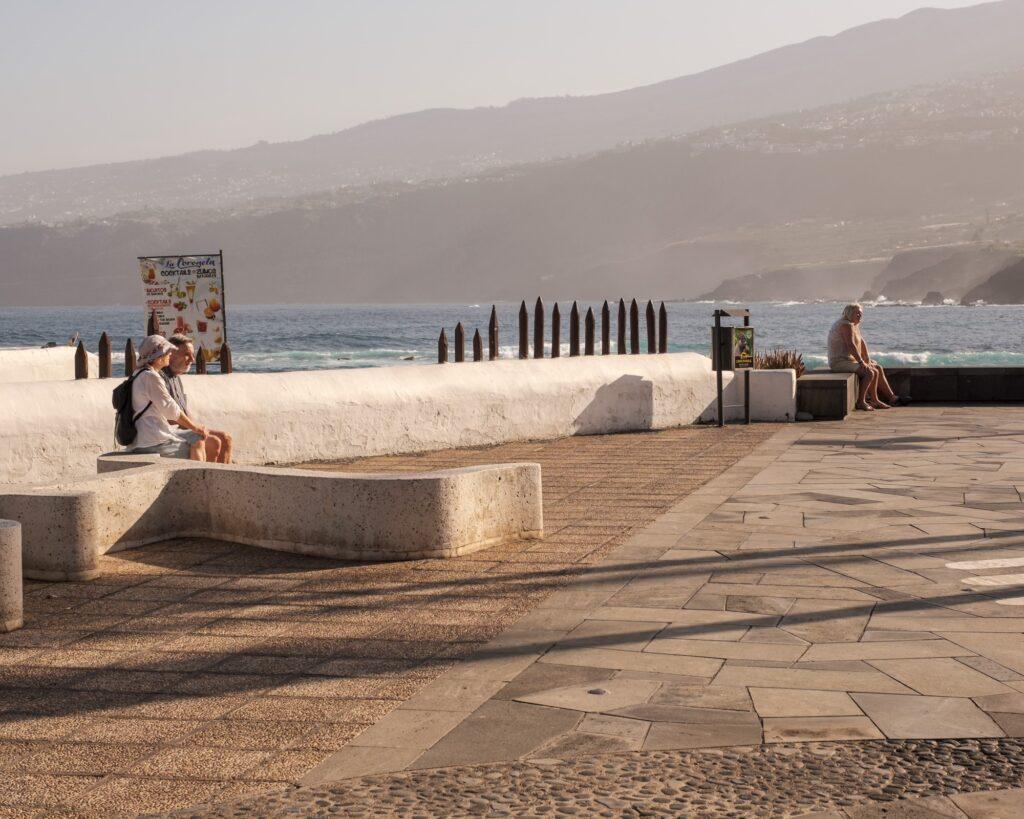
The Editing Trap
I also noticed something else.
Lately, I have become too preoccupied with editing.
Lightroom. Photoshop. Masks. Arranging files. Refining pictures.
As photographers, editing is both a blessing and a curse.
It gives us enormous possibilities.
It can turn a good image into a stronger one.
But the deeper I go into the technical side of editing — mastering masks, dodge and burn, perfect white balance, tonal adjustments — the more I notice a danger.
At some point, I begin to lose sight of what matters.
The story. The character. The quality that made me raise the camera in the first place.
I’ve also realized something else.
The more I know I can manipulate an image later, the more I find myself searching only for grand scenes.
Bigger landscapes. More dramatic light. More cinematic moments.
And in doing so, I risk overlooking the quiet details of daily life — the very moments that often mean the most.
That’s why this connects perfectly with my desire to photograph street more.
I want simpler edits.
Small crops.
A gentle touch.
And more focus on the story rather than on how far I can push a picture in post-processing.
Every photograph reflects a specific moment in time.
A unique intersection of light, composition, atmosphere and feeling.
Even a flawed photograph can carry something unrepeatable.
And yet, in the pursuit of perfection, I often find myself trying to erase exactly those things that make an image memorable.
An imperfect shadow can create intimacy.
An overexposed sky can carry the rawness of a summer afternoon.
A strange light can become atmosphere.
But editing tempts us to smooth these things out.
To correct. To polish. To normalize.
And in doing that, we sometimes strip away the very character of the image.
The same happens with people.
When photographing a person, the goal is not only to capture how they look.
It is to reveal something about who they are.
A gesture. A slouch. A wrinkle. The way their hands move when they speak.
These are the details that breathe life into a frame.
But editing can easily reduce people to things to be corrected.
A blemish. A wrinkle. Uneven skin. Flat light.
And when you “fix” too much, the person starts to look less like themselves and more like a polished version of someone else.
That is where something human gets lost.
Editing is not bad.
But it must be used with intention.
Instead of aiming for perfection, I want to preserve authenticity.
The Small Details Matter More Than I Thought
One side effect of improving my editing skills is that it also changed how I shoot.
Because I know I can make images look dramatic later, I’ve become more drawn to big scenes.
Sweeping landscapes.
Striking architecture.
Cinematic moments.
And while there’s nothing wrong with that, I also realized I’ve started overlooking the smaller details that make life rich.
Peeling paint on an old door.
Sunlight through a half-empty coffee cup.
A quiet interaction between strangers on a park bench.
These moments may not look spectacular.
But they are intimate.
Honest.
Deeply human.
And the truth is, the small details often tell the strongest stories.
They evoke memory.
They ground us.
They remind us how fleeting and imperfect life really is.
What Tenerife Clarified for Me
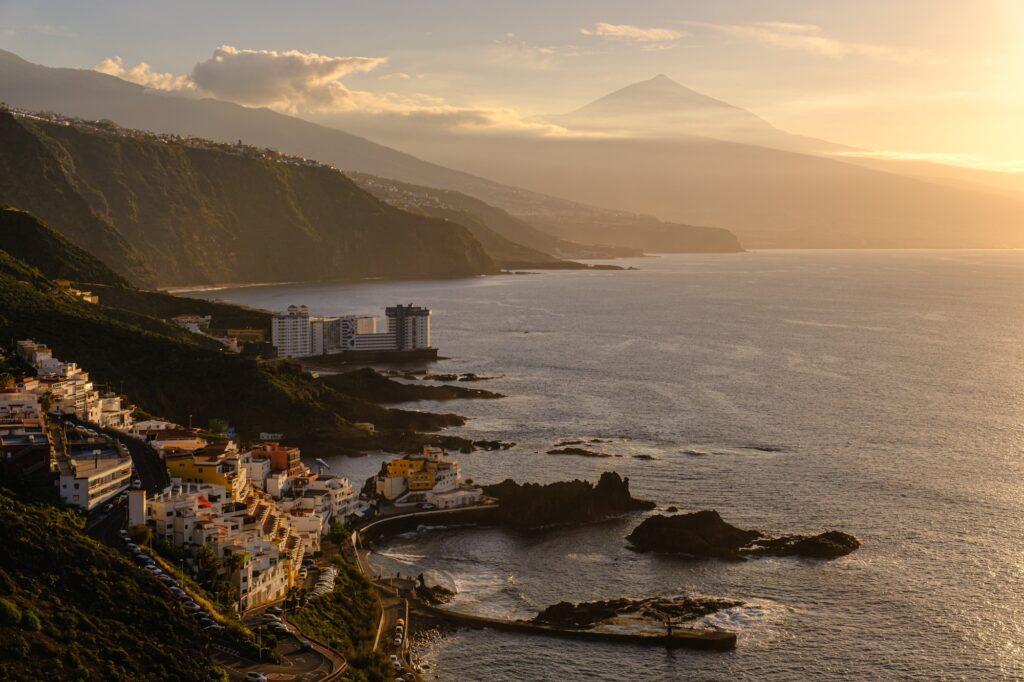
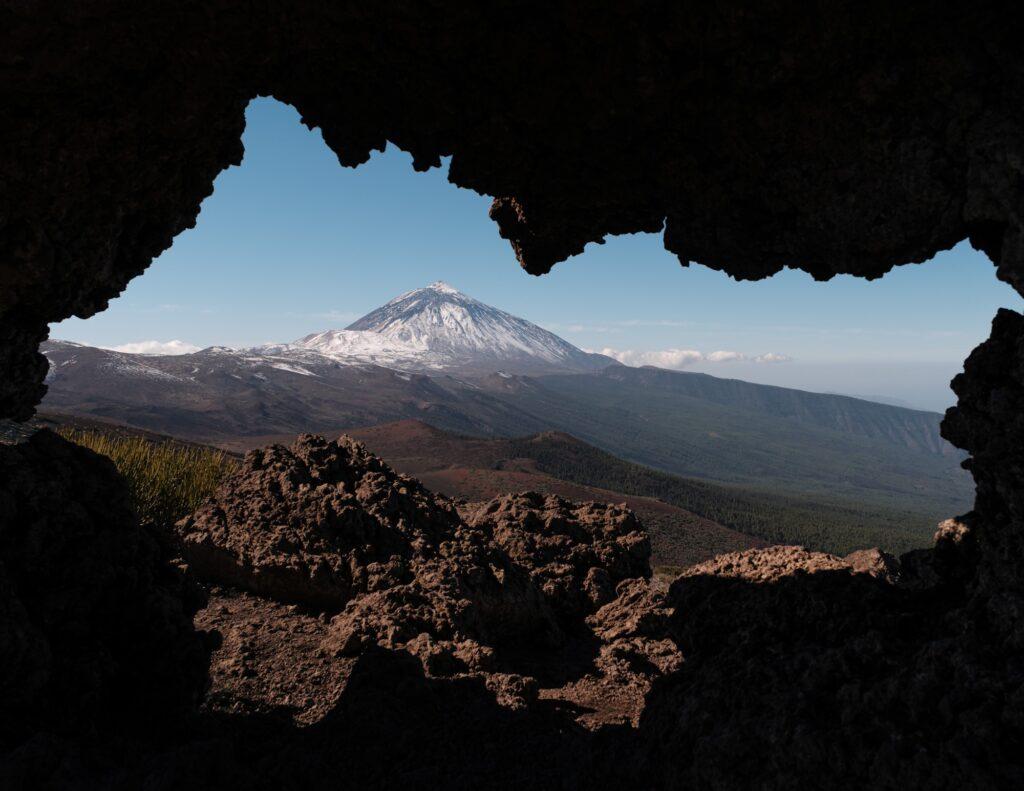
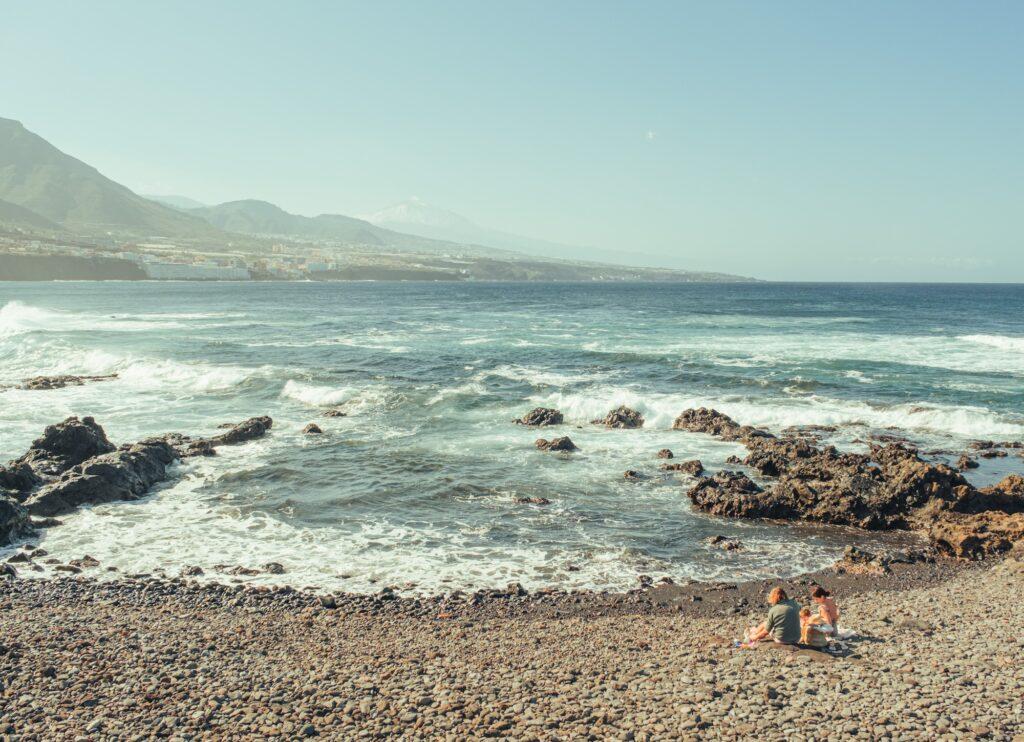
In a strange way, alongside the beautiful weather, the incredible sunsets and my first ever swim in the Atlantic, Tenerife also cleared a lot of things in my mind.
Here is what became very clear to me.
1. Buying a new camera or lens is something I can do, but not something that will suddenly make my work better.
It may bring joy. It may be a small reward. And buying a small Fujicron or a 16-50 every few years is not the end of the world. But it will not transform my vision.
2. I need to go out more.
I need to shoot more.
And more importantly, I need to shoot more of what I genuinely love.
I love sports.
I love people.
So maybe 2025 should lean more in that direction.
3. I need to stop putting pressure on myself.
After the first week in Tenerife, I was disappointed. The skies were too clear, the heat was strong, and I felt I hadn’t taken enough good pictures. I felt like I had to produce something every single day. And that only made me nervous.
Eventually I calmed down and realized something important: I did not need to return home with the best pictures ever. I needed to be there, to enjoy life, and if a good photo appeared, then great.
And once I relaxed, things worked out better.
4. I need to resume creating.
After publishing a few photo albums on my site, I took a break and became lazy. So one of my goals for this year is to finish three more photo albums from places I visited and publish them on my site.
Why I Need a Big Project
Lastly, I realized something else.
I need a big project.
While in Tenerife, I got an idea that genuinely excited me — an idea I will start soon, and which will most likely take more than a year to finish.
I will probably need around 110–120 pictures to complete it.
So you can imagine the scale of it.
That means I will likely shoot thousands of frames in 2025 and still not be able to finish it within a single year.
But that’s okay.
Some things are meant to take time.
When it is finally ready, I will write about it and announce it properly.
For now, though, we are still very far from that point.
And maybe this is the final lesson of the article.
We all need projects.
We all need something to build.
Something to create.
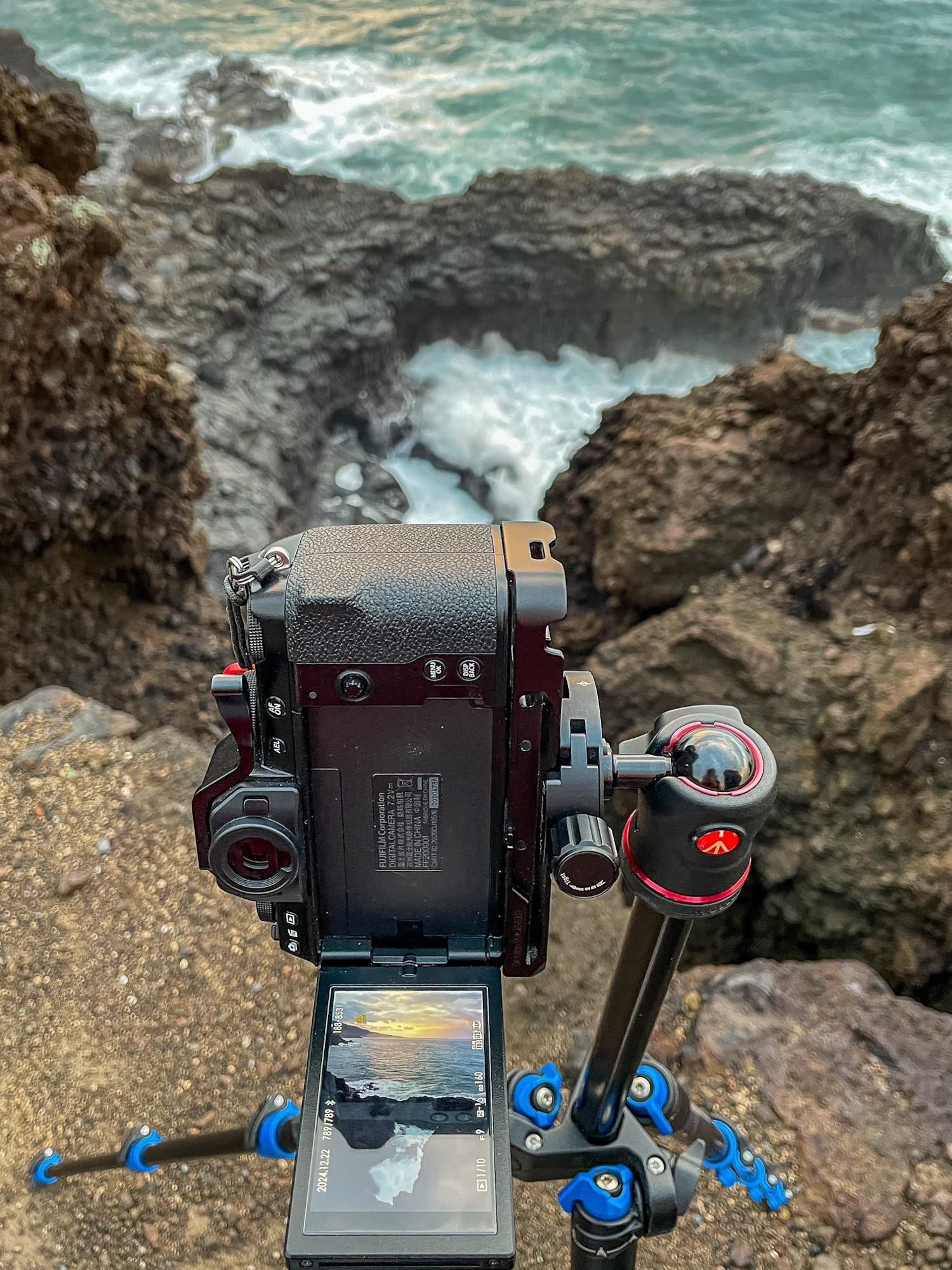
For me, 2025 marks the beginning of that project, alongside my trusted companion, the Fujifilm X-S10.
And life moves in circles sometimes, doesn’t it?
In 2023, just before going to Tenerife, I bought the X-S10.
Two years later, after many trips, I ended 2024 and started 2025 in Tenerife again, using the same camera and the same lenses.
And somehow that feels right.
It feels good.
It feels like sometimes the old is just as good as the new.
Final Thoughts
This trip gave me more than photographs.
It gave me clarity.
About family. About tradition. About education. About people. About what I want to photograph. About how little new gear matters compared to time, learning, curiosity and honesty.
And maybe that is what I want to carry forward most.
To keep learning.
To keep moving.
To keep photographing people and real life.
To edit with more restraint.
To notice the small details again.
And to keep building something that matters.
Because in the end, photography is not just about cameras.
It is about how we live, what we notice, and what we choose to remember.
Fără comentarii