


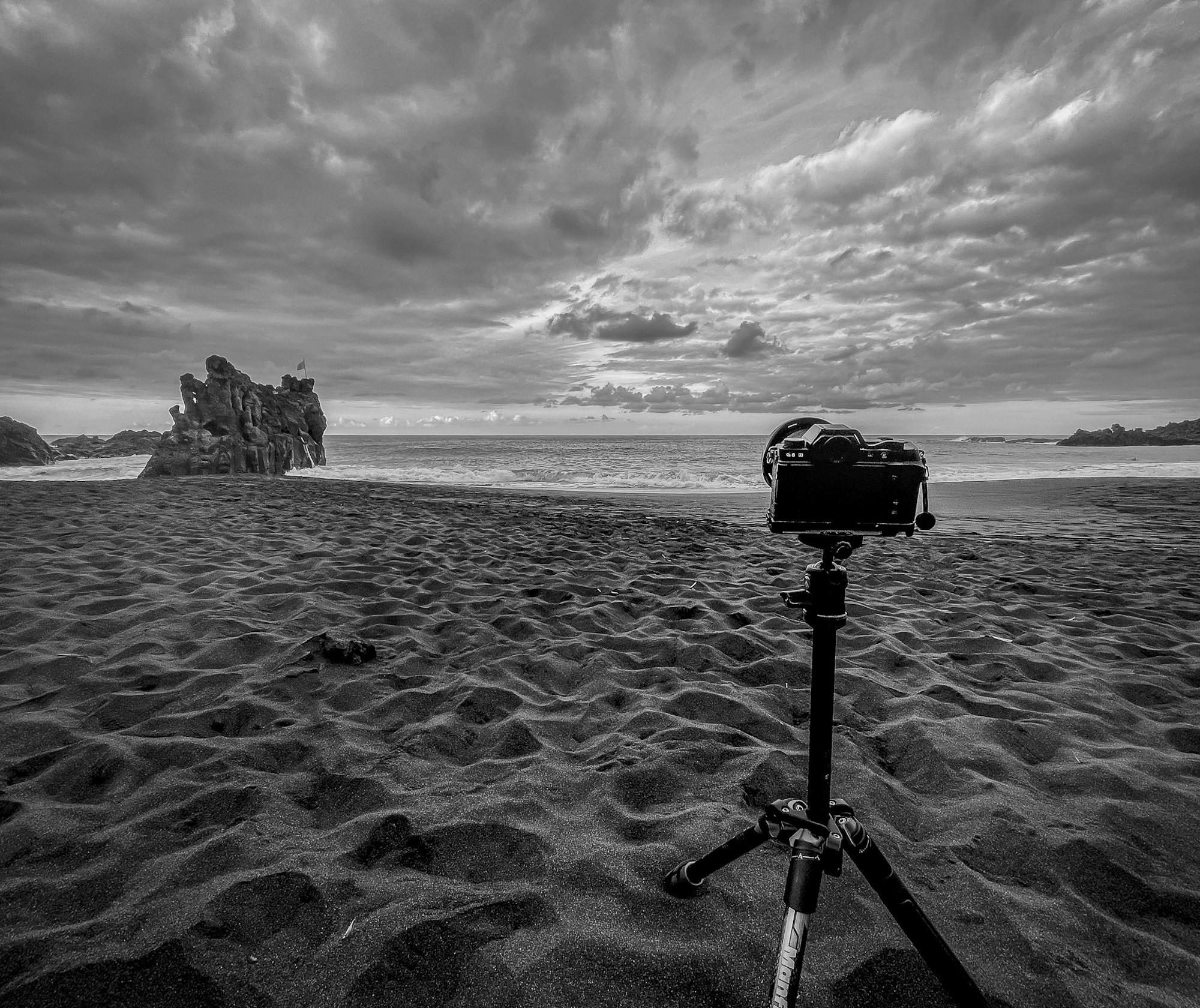
10 mart. New Camera, New Adventures – My Experience with the Fujifilm X-S10
Every photographer eventually faces a moment when they start thinking about upgrading their camera.
Sometimes the decision comes from curiosity. Other times it comes from necessity.
For me, the story began unexpectedly.
For years I had been very happy with my Fujifilm X-T20. It was small, reliable and capable of producing excellent images. I used it for travel photography, landscapes and even sports events.
But shortly before a trip, something unusual happened.
While testing the camera in my garden, I noticed that the autofocus was suddenly struggling to lock focus consistently. Even on static subjects like trees and houses, the camera was missing focus repeatedly. With an important trip only a few days away, I needed a solution quickly.
And that is how I ended up buying the Fujifilm X-S10.

Why I Chose the Fujifilm X-S10
When I started looking for a second body to accompany my travel kit, I considered two options.
The Fujifilm X-T30 and the Fujifilm X-S10.
Both cameras offer excellent image quality and share the same 26-megapixel APS-C sensor. But several factors pushed me toward the X-S10.
First, the price.
I managed to find the X-S10 at a slightly better price compared to the X-T30.
Second, curiosity.
Although I enjoy the classic Fuji dials, I also shoot Nikon for sports, which means I am comfortable using PASM controls as well.
Third, the grip.
The X-S10 has a deeper and more comfortable grip compared to many Fuji cameras. Holding the camera for long periods felt surprisingly natural.
And finally, IBIS.
The X-S10 includes in-body image stabilization, which allows handheld shooting at slower shutter speeds and improves stability when shooting in low light.
A New Camera for a New Trip
Shortly after purchasing the camera, I boarded a plane for Tenerife.
A new camera and a new destination seemed like the perfect combination.
During that trip I took around 1200 photos, which is actually a lot for me. On some previous trips I returned home with only a few hundred images.
But this time my goal was different.
I wanted to test the new camera in real situations and see how it performed during travel photography.
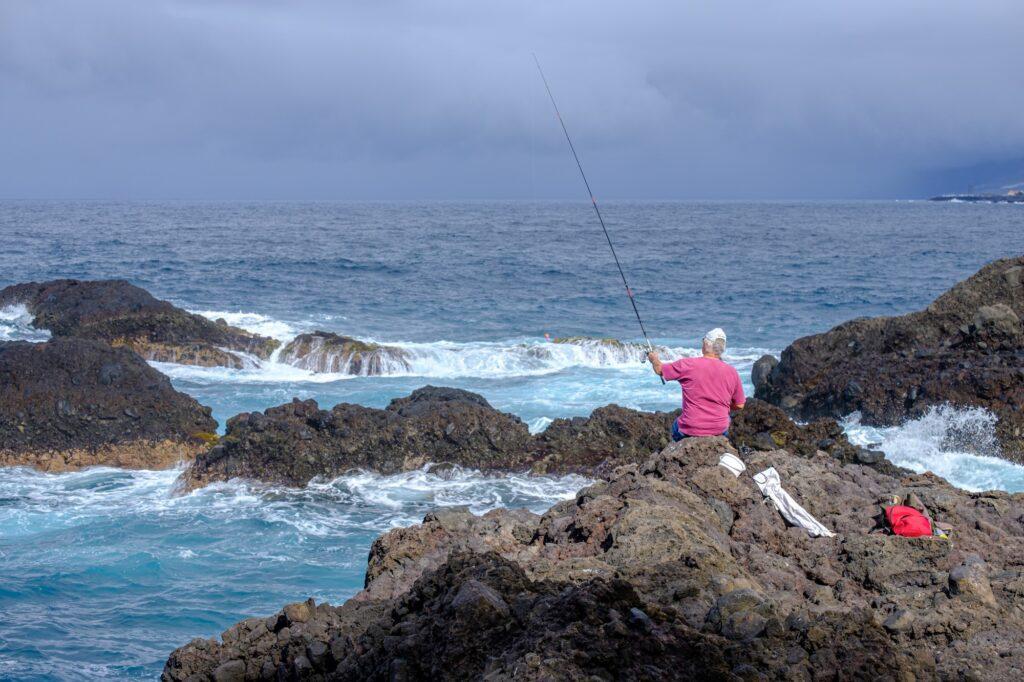
Tenerife turned out to be an excellent testing ground.
The island offers a wide variety of photographic subjects:
• coastlines and beaches
• volcanic landscapes
• mountains and valleys
• towns and street photography scenes
In other words, the perfect environment to see how a camera performs in different conditions.
Handling and Ergonomics
Even though I had spent years using traditional Fuji cameras like the X-E2, X-T1 and X-T20, adapting to the X-S10 was surprisingly easy.
The PASM dial might feel unusual for photographers who prefer the classic Fuji controls, but after a short time it becomes very intuitive.
In fact, in some situations I found the PASM system faster to operate.
The deeper grip also made the camera very comfortable to hold, especially during long walks.
With only a small wrist strap attached, I was able to carry the camera easily all day.
Image Quality
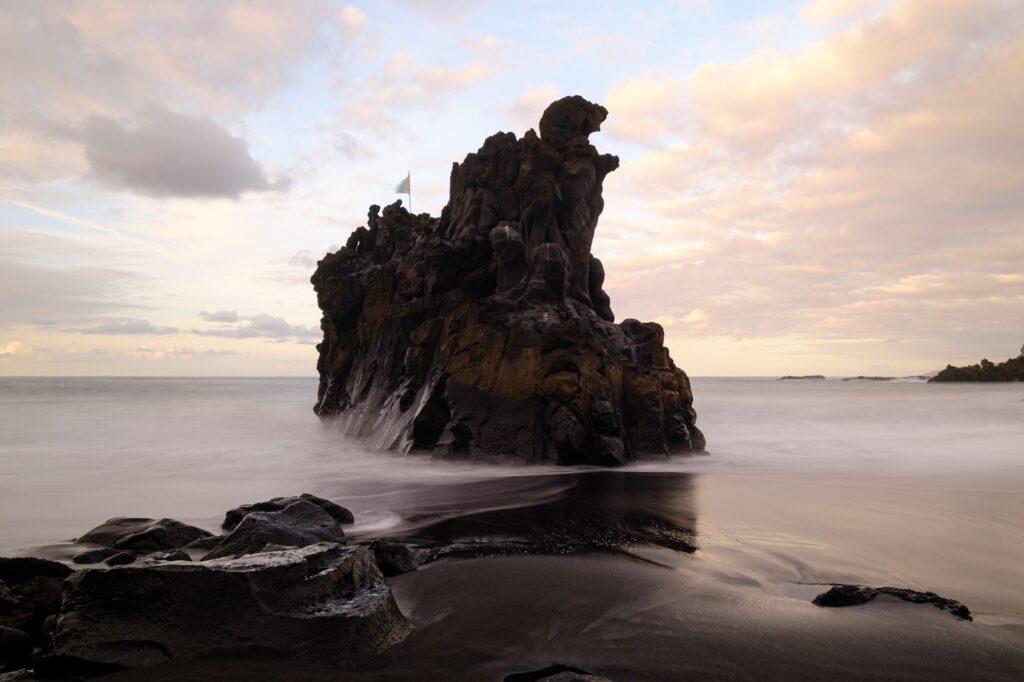
When it comes to image quality, the X-S10 delivers exactly what I expected from a modern Fujifilm camera.
The files look excellent and provide plenty of detail.
In most situations the difference compared to my older X-T20 is relatively small, which confirms that image quality across many Fuji models remains consistently good.
However, I did notice that some JPEG profiles such as Provia and Velvia appear slightly more natural on the X-S10.
Of course, this may vary depending on personal preference and editing style.
Like many photographers, I shoot both RAW and JPEG.
RAW files are edited in Lightroom, while JPEG images often require only minor adjustments before sharing.

Build Quality and Design
Build quality is another topic frequently discussed among photographers.
Some people prefer weather-sealed cameras, while others believe that no camera should be exposed to bad weather regardless of the manufacturer’s claims.
Personally, I have used several Fuji cameras in difficult conditions, including heavy rain.
They performed well, but today I prefer to keep my gear protected whenever possible.
Overall, the X-S10 feels solid and well built.
Some reviewers describe the camera as slightly “plasticky,” but in my experience it feels comfortable and reliable in daily use.
The Importance of Enjoying Your Camera
One of the most important lessons I learned over the years is that photography is not only about specifications.
It is about enjoyment.
If you enjoy using your camera, you will take it everywhere.
You will experiment more.
You will shoot more often.
And that is how you improve.
For me, the X-S10 is simply a tool.
The creativity must come from the photographer, not from the camera itself.
The camera only helps translate what you already see in your mind.
Will the X-S10 Replace My X-T20?
Even though the X-S10 performed very well during my trip, I cannot say that the X-T20 will disappear from my life.
That camera accompanied me on many journeys and helped me create some of my favorite photographs.
Even if it eventually ends up resting on a shelf, it will always remain an important part of my photography journey.
Sometimes cameras become more than just tools.
They become memories.
Final Thoughts
The Fujifilm X-S10 is an excellent camera for travel photography.
It offers strong image quality, comfortable handling and useful features such as in-body image stabilization.
But more importantly, it reminded me of something simple.
A new camera does not make you a better photographer.
It only gives you another opportunity to explore, experiment and create new images.
And every new trip becomes another adventure.
Fără comentarii