


12 mart. Urban Photography, Poverty, and the Disappearing Soul of the City
Living in Bucharest, a city that feels increasingly modernized, has made me reflect a lot on how a place changes the way we photograph it.
Walking through the city today, it’s becoming harder to find the kind of raw, gritty scenes that once defined street photography. During the communist era, Bucharest — like many cities shaped by authoritarian regimes — was stark, strange and full of contradiction. It was a place marked by isolation, poverty and characters who often felt pulled from the pages of a novel.
Photographically, there was something deeply compelling about those rough edges.
Cracked walls.
Empty streets.
Faces shaped by hardship.
Now, as Bucharest becomes more polished and more developed, I find myself asking a difficult question:
Has it become boring to photograph?
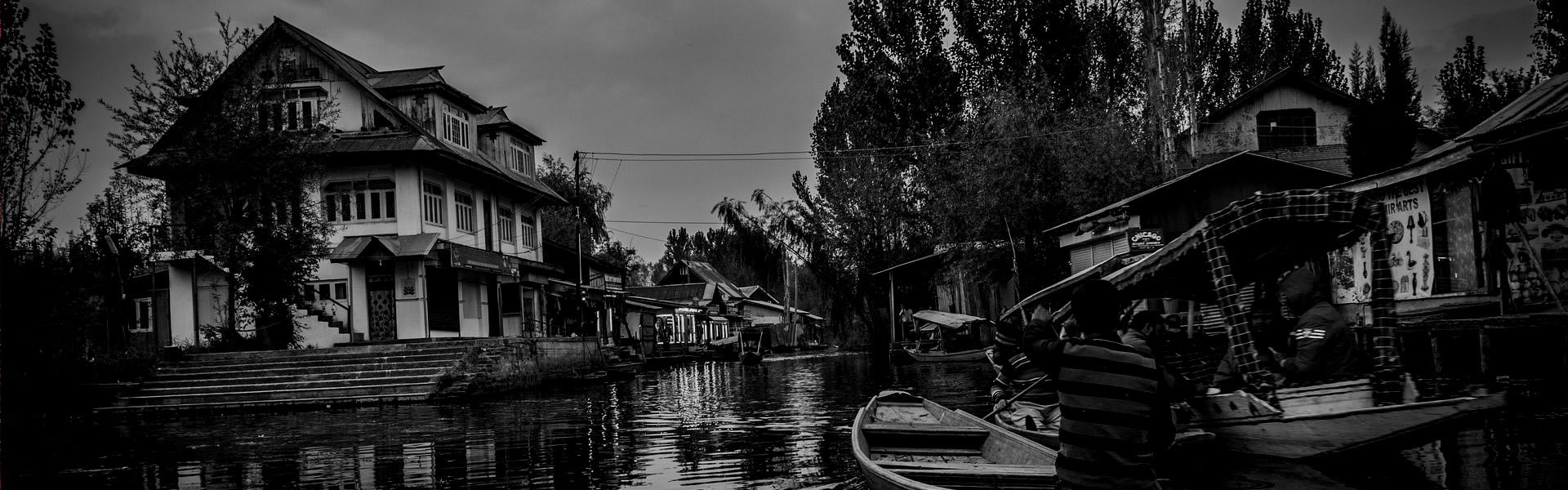
The Appeal of Imperfection
When we think about iconic street photography, we often think about images of urban decay, desolate landscapes or faces marked by struggle.
There is a reason photographers are drawn to places like the slums of Rio de Janeiro, the alleyways of Delhi, or the forgotten neighborhoods that once defined Bucharest.
Let’s be honest.
Poverty, grit and rawness sell.
There is an undeniable visual force in imperfection and decay.
In many cases, these places become characters themselves. Their walls, streets and textures seem to tell stories before a person even enters the frame.
But this is also where the ethical dilemma begins.
I made a personal choice a long time ago — and I’ve written about this before.
I refuse to photograph people whose hardship is already overwhelming.
I will not bring a camera into the lives of the elderly, the lonely or the abandoned simply because their suffering makes for a stronger image.
I know very well how hard their lives are.
No matter how striking the visual may be, no matter how much praise or attention it might attract, I refuse to exploit that suffering for the sake of a “perfect shot.”
I know photographers who chase exactly those kinds of images.
And yes, it works.
But for me, it crosses a line.
The old man sitting alone on a bench.
The woman selling flowers in the street.
They are not symbols of hardship.
They are human beings with complicated lives, and they deserve dignity — not an aestheticized version of their pain.
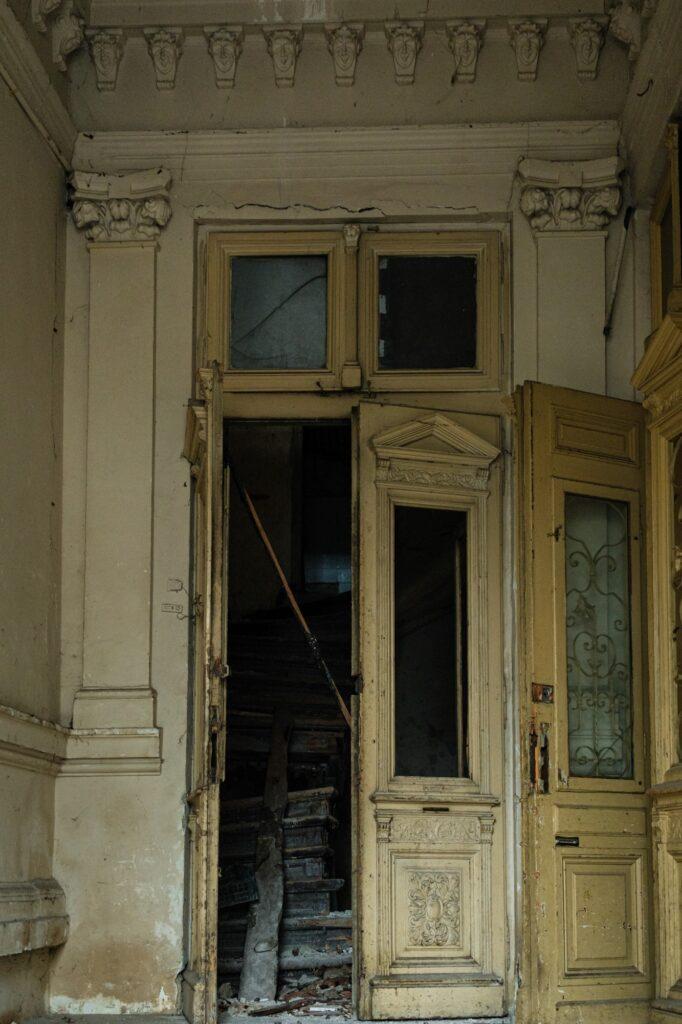
The Romance of Hardship
There is no denying that part of the attraction of photographing poorer or less developed places comes from tradition.
Colorful clothing.
Ancient rituals.
Aged architecture.
A slower rhythm of life.
But alongside all that sits an uncomfortable truth:
Poverty sells.
The worn face of an old man or woman often resonates more deeply with an audience than the polished surfaces of a modern city.
And that is where photography becomes ethically complicated.
Are we photographing these people because of their humanity?
Or because their poverty, age and surroundings fit the emotional aesthetic we are searching for?
It is a delicate line to walk.
And for me, it is a line I refuse to cross.
I have seen too many photographers reduce someone’s hardship to a visual style.
Too many people treat suffering as atmosphere.
Too many photographs turn real lives into symbols.
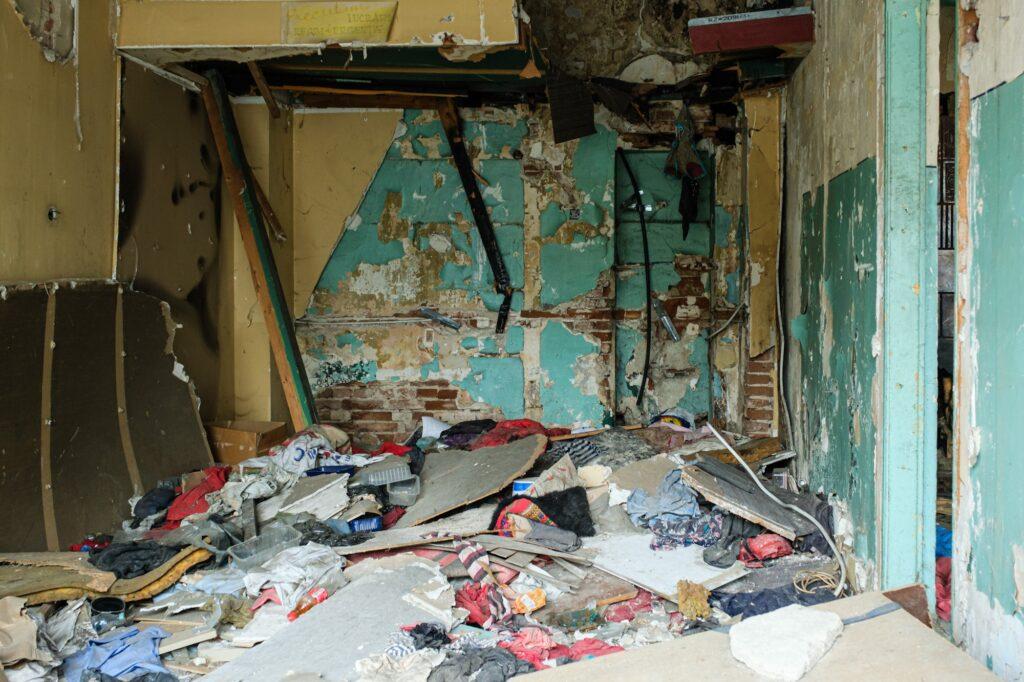
Why Struggle Feels More Photogenic
There is no denying that places marked by struggle often feel more visually powerful than sleek, modern cities.
Poverty has texture.
You can see it in architecture.
In neglected streets.
In broken houses.
In faces that seem to carry the weight of history.
These environments often feel rich in story.
There is something for the eye to return to again and again:
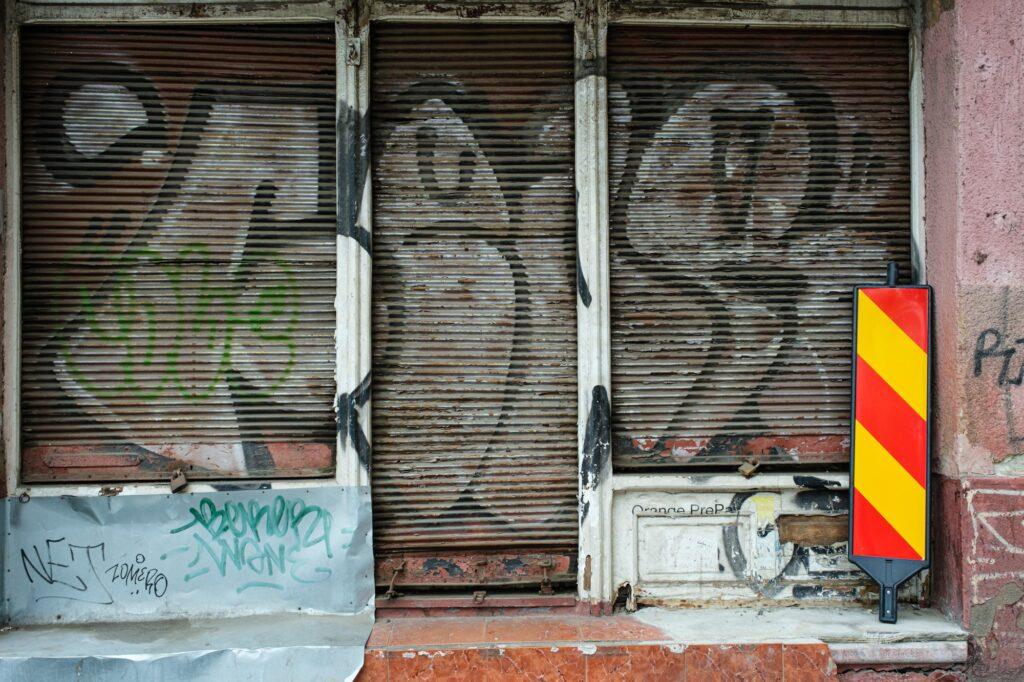
• broken doors
• narrow alleys
• old walls
• improvised repairs
• traces of time and survival
In contrast, new and polished cities — no matter how impressive they are architecturally — often feel emotionally distant.
Yes, you can photograph clean lines, reflections and minimal compositions.
Yes, they can be beautiful.
But often they feel colder.
More controlled.
Less human.
When every building is maintained, every street is clean and every surface is smooth, the eye has less to linger on.
Less to feel.
Less to imagine.
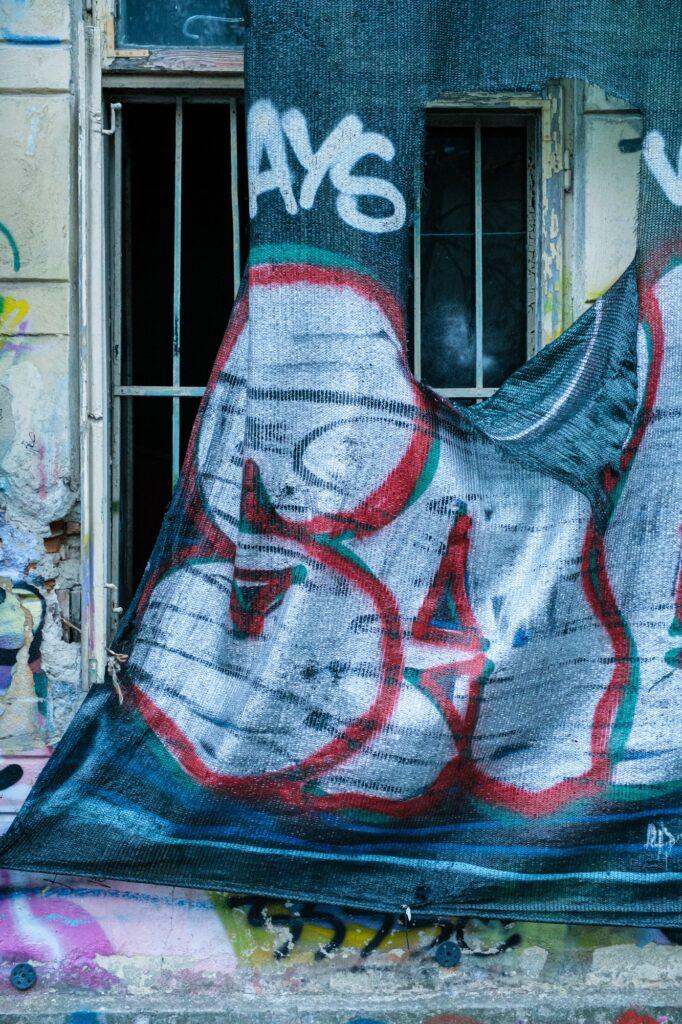
Bucharest and the Loss of Rawness
This brings me back to Bucharest.
During the communist era, the city was full of contradictions.
Grand buildings were falling into decay.
Entire streets felt abandoned.
People seemed suspended between a difficult past and an uncertain future.
For a photographer, the city offered stories everywhere.
There was tension on every corner.
Today, much of that rawness is disappearing.
The city feels more sanitized.
More polished.
And in some ways, less photogenic.
This is not to say that poverty should ever be romanticized.
It should not.
But it is impossible to ignore the fact that places marked by hardship often contain more visible layers, more tension and more emotional depth.
There is something deeply human in cracks, imperfection and survival.
And perhaps that is why photographers are drawn to them.
The Ethical Dilemma of Photographing Poverty
As photographers, we need to confront an uncomfortable reality.
Sometimes we turn poverty into spectacle.
Whether we admit it or not, hardship often produces compelling images.
But there is a major difference between documenting reality and exploiting it.
When we photograph someone living in poverty, we need to ask ourselves:
Am I doing this to understand something real?
To document?
To witness?
Or am I doing it because their hardship creates a visually powerful frame?
That distinction matters.
I have already made my own choice.
I will not exploit the elderly, the abandoned or the visibly broken for the sake of emotional impact.
But I understand why others do it.
Those images often evoke sympathy.
They feel urgent.
They can look powerful.
But I also believe that when someone’s pain becomes “beautiful” in a photograph, we risk turning them into an artistic object instead of seeing them as a person.
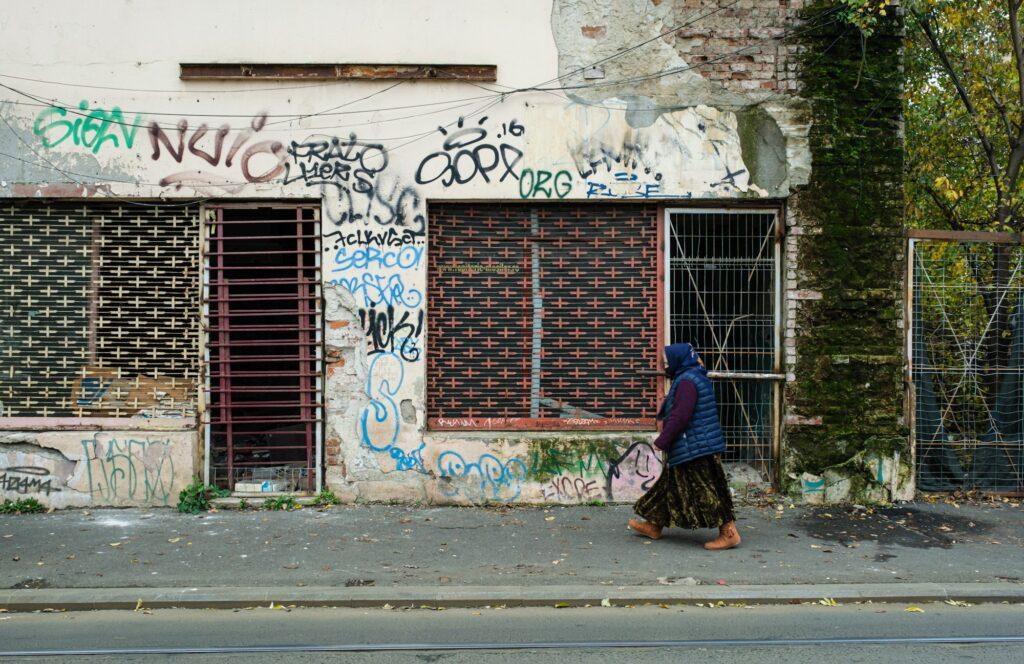
When Bucharest Was Beautifully Broken
Looking back, Bucharest once felt beautifully broken.
That may sound strange, but photographically it is true.
The city had contrasts that were impossible to ignore.
Decay beside grandeur.
Loneliness beside noise.
A sense of abandonment beside daily survival.
As a photographer, it was easy to find stories everywhere.
Today, that visual soul is fading.
The city is becoming shinier, more modern, more controlled.
But also, in some ways, more generic.
Less unpredictable.
Less textured.
Less emotionally charged.
And maybe that is one of the hidden losses of modernization.
We gain comfort but lose visual friction.
We gain surfaces but lose layers.
We gain order but sometimes lose soul.
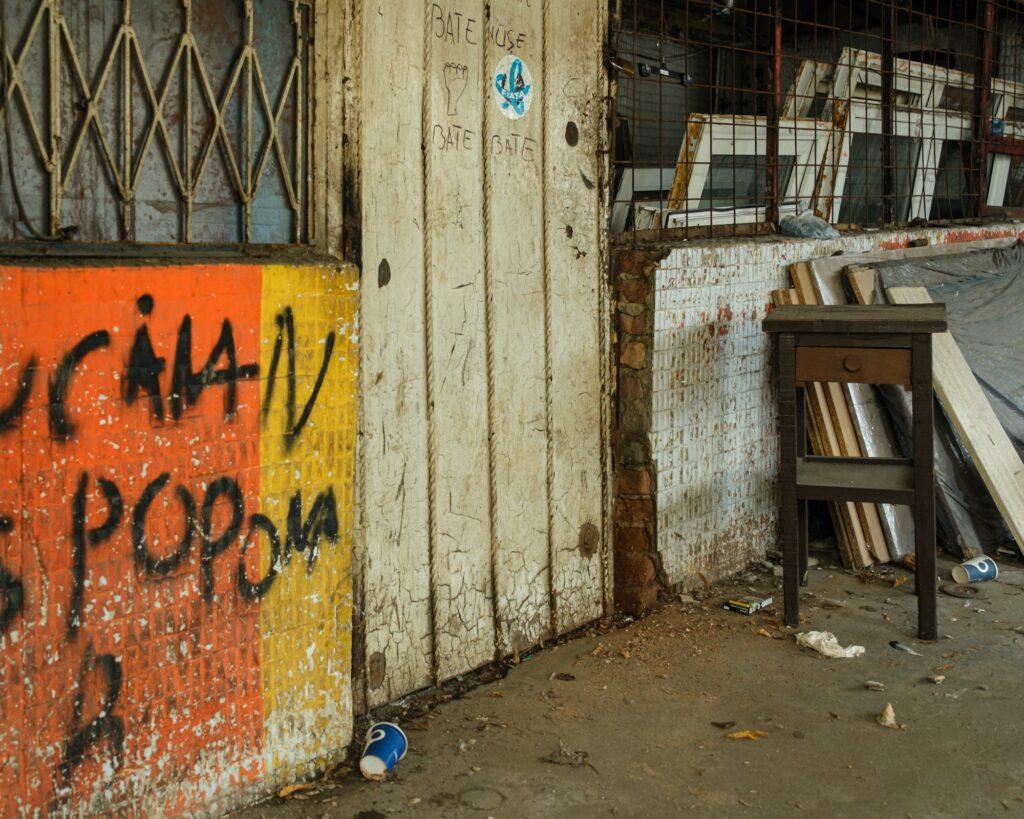
The Challenge of Photographing Modern Cities
So maybe the challenge for photographers today is not to chase hardship, but to find meaning in places that seem too polished to matter.
Maybe the task is to learn how to see again.
To search for hidden stories.
Quiet gestures.
Moments of humanity inside controlled urban spaces.
Because even in polished cities, life still leaks through the cracks.
And maybe good urban photography today is no longer about dramatic poverty or obvious decay, but about learning to see subtler tensions.
A reflection.
A pause.
A tired posture.
A gesture that reveals something real in an environment designed to hide all imperfection.
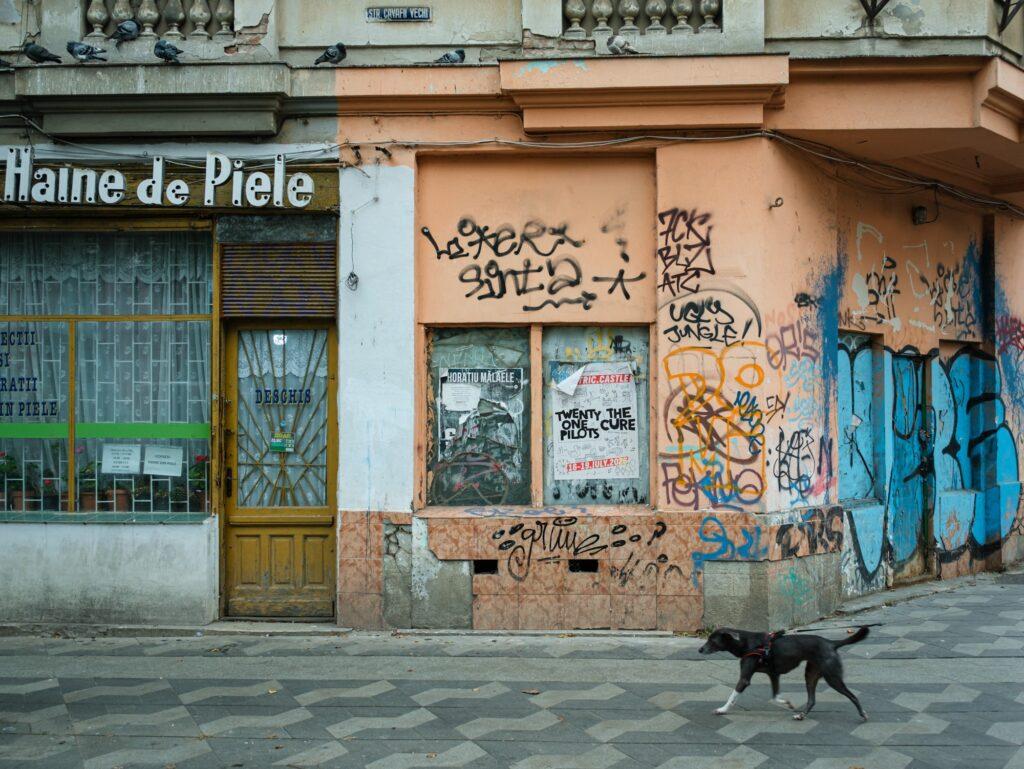
Final Thoughts
There is a tension at the heart of urban photography.
On one side, poorer places often offer richer and more emotionally loaded images.
On the other, photographers must constantly question the ethics of what they are doing.
We cannot pretend that poverty does not produce powerful visual material.
But we also cannot ignore the danger of turning real hardship into aesthetic content.
Maybe the real challenge is not to romanticize suffering, but to understand why we are so drawn to it in the first place.
And maybe, in cities that feel increasingly polished and emotionally flat, the task becomes even harder:
to find depth without exploitation
to find humanity without spectacle
to photograph honestly without turning pain into style
Because perhaps that is what urban photography should still be about.
Not just surfaces.
Not just visual drama.
But the difficult, complicated, human truth of a place.
Fără comentarii