

11 mart. People. Bridges. Masks. — Venice, Photography, and the Weight We Carry
Aside from being a quote from a rock song or a movie, “Life sucks. And then you die.” was a phrase a friend of mine used a lot.
For years, whenever something bad happened — something unfair, something you couldn’t fight against — that was the line we heard:
Life sucks. And then you die.
Out of all the articles I wrote, I can honestly say this was by far the hardest one to write.
At first, I had around ten different titles for it, each one reflecting a different mood, a different feeling I was going through.
I know many people open photography magazines, watch magazines, car magazines or photography websites to see the newest gear, learn a new technique or plan a future purchase.
But I think we have reached a point where we need to take better care not only of our gear, but of ourselves too.
Sometimes, when I look at my small Lowepro backpack holding all my Fuji equipment, I smile and wonder whether I don’t actually take better care of my cameras than I do of myself.
Under my care, my gear has aged beautifully.
I’m not always sure I can say the same about my body or my mind.
And that matters more than we often admit.
Because our mood influences our photography.
Our mental state influences our photography.
How good or bad we feel about ourselves, our work, our relationships, our lives — all of that leaves traces in the images we take.
We all know what bad days feel like.
Days when you snap at someone.
Days when you sit staring at a wall for an hour without thinking clearly.
Days when your head is full of noise and your mind gives you no rest.
When I wrote When Creativity Takes a Break, I already knew that something was off in my photography.
I knew some of the reasons.
But I also knew that I had left some things unsaid.
So this article became something else.
An unusual mixture between the beauty of Venice, where I took my second trip of the year, and a series of scattered thoughts about life, pressure, creativity and how they influence my work.
At first, I wanted to title it Bridges. People. Masks.
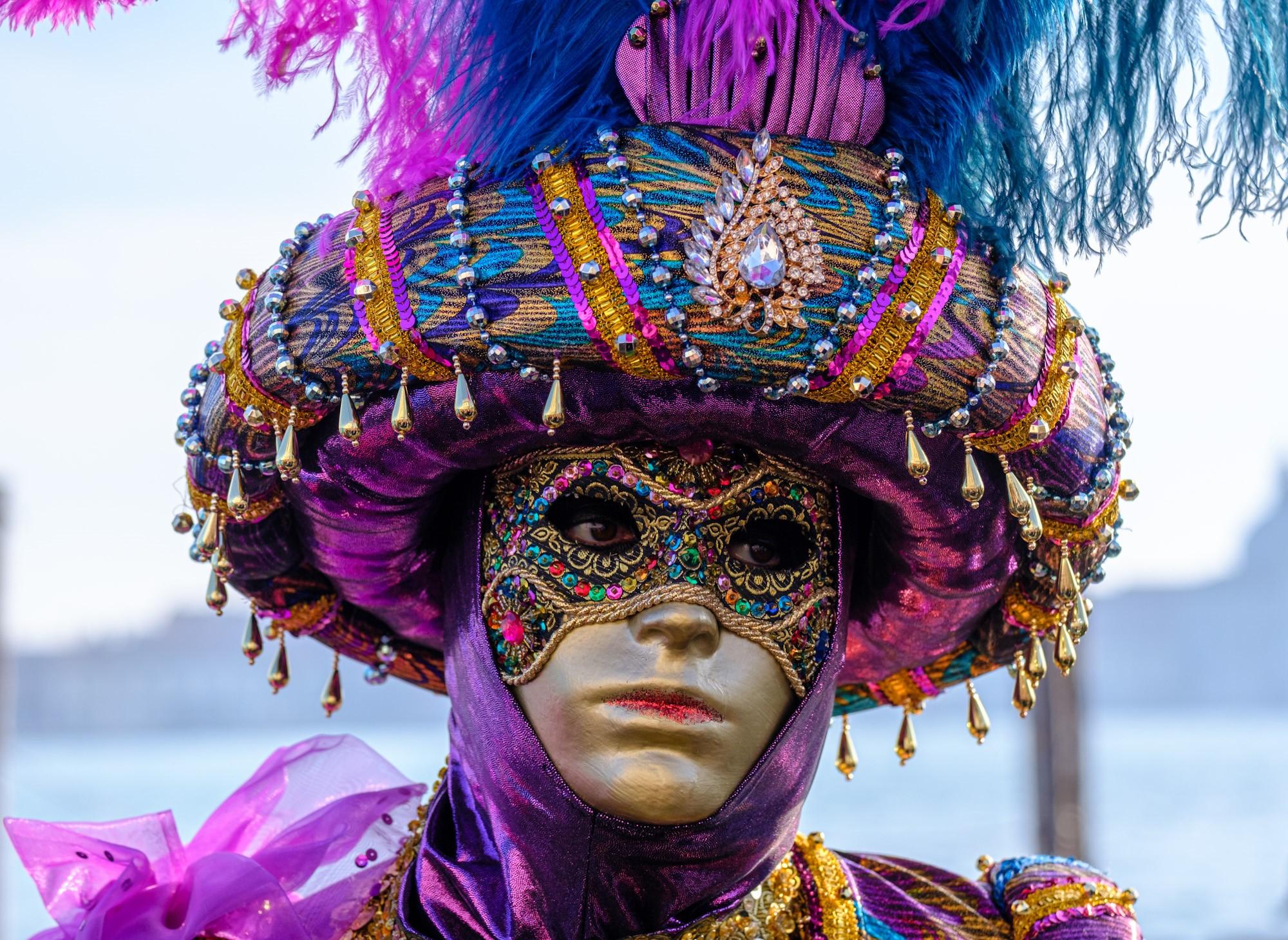
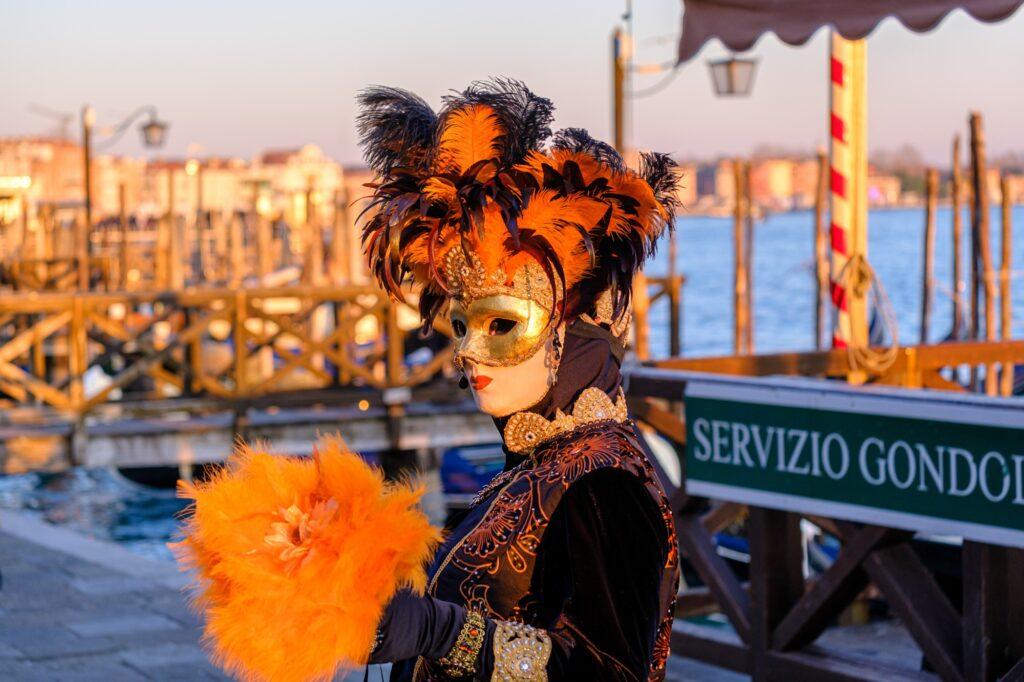
A structure. A visual direction. Bridges in Venice. Faces photographed in Burano. Masks from the Carnival.
The article had a plan.
And then life happened. And the plan dissolved.
Because that is how life works.
We move through highs and lows. We feel loved and ignored. Seen and invisible. Confident and exhausted.
Sometimes in the space of a single day.
And maybe that is exactly why this article had to become something broader.
Because life is bigger than photography.
And we all know this, even when we spend hours watching gear videos or waste money on equipment we don’t really need.
We know there is more.
And this article is about that “more.”
Why Your Photography Sometimes Feels Weak
No matter how many YouTube videos tell you that if you learn the rules, buy the right gear and follow the right steps, you will always make great photographs, I believe that is simply not true.
There is no photographer in the world who takes perfect images all the time.
No one.
What you see online is a feed.
A highlight reel.
A carefully filtered and edited sequence of the best moments.
You never see the mistakes.
The crooked frames.
The average sunset.
The scene that didn’t work.
The failed attempt.
Humans make mistakes.
Photography is no exception.
But mistakes are not glamorous, and platforms reward perfection — or at least the illusion of it.
So influencers and professionals often feel they need to deliver perfection constantly.
Even if that means pushing an image so far in editing that it barely resembles what they actually saw.
And that leads to a real question:
Is that still art?
Or is it just performance?
There’s another thing we rarely admit.
The internet is full of people saying that you can make extraordinary photos everywhere.
And yes, sometimes that is true.
But sometimes it isn’t.
Let’s be honest.
I photograph sports in Romania.
Someone else photographs the Champions League in Spain or the World Cup.
Who has a better chance of capturing a more dramatic moment?
You shoot college basketball in Denmark.
Another photographer shoots the NBA.
Be realistic.
Your work can still be strong, but access to better locations, bigger stages, better light and more dramatic subjects changes the game.
And that leads to one more uncomfortable truth: the subject matters.
Before the World Cup, a famous image broke the internet: Messi and Ronaldo playing chess.
Look at that photograph honestly.
Is it extraordinary because of lighting and technique?
Or is it extraordinary because it shows Messi and Ronaldo?
Would anyone react the same way to a similar photo of two unknown people?
Probably not.
So before judging yourself too harshly, and before assuming your work is weaker because your camera is weaker or your skills are lower, ask yourself something simple:
How compelling is your subject?
Not everything that performs badly online is a bad photograph.
Sometimes the audience is simply smaller.
A Euroleague basketball image may be excellent, but it will never attract the same reaction as an NBA frame.
That does not make it worse.
It just means the subject reaches fewer people.
Shooting for Others Is the Fastest Way to Lose Joy
I have said this before, and I still believe it: If you love photography, shoot.
Shoot often. Shoot early. Shoot late. Just shoot.
The moment you start making photographs only for the reaction of others, disappointment becomes inevitable.
Do you really love photography?
Or do you love the applause that sometimes follows it?
Do you need likes, followers and compliments to feel your work matters?
Or can you make pictures for yourself only — knowing nobody else will ever see them?
I’ll be the first to admit that, because I am highly competitive, I started chasing more.
More medals.
More followers.
More recognition.
And do you know what else I got?
Less pleasure in going out with the camera.
Less freedom.
Less joy.
That is the trap.
Photography Reflects Personality
At one point, I considered titling this article something closer to Letter to My Unborn Child.
Because I strongly believe photography is one of the clearest expressions of personality.
Some people are introverted.
Some are extroverted.
Some are shy.
Some are bold.
If you study any artist long enough, you begin to see patterns.
Not just themes or subjects, but comfort zones.
Ways of seeing.
Every photograph that artist makes contains a part of them.
Even the weak ones.
Even the flawed ones.
Your photography reflects who you are, what shaped you, what you fear, what you love, what you notice and what you ignore.
So I started thinking about the things I would want to tell not only my child one day, but anyone willing to listen.
A Few Things I Believe Matter in Life
A. You Don’t Always Need to Be the Best
You only need to give it your best.
Life is not a Hollywood film.
You do not need to win everything.
You need to try honestly, consistently, and with dignity.
B. Life Is Not About What You Own
Life is a collection of moments.
Happy ones.
Sad ones.
Lonely ones.
Moments surrounded by people.
Do not fall into the trap of thinking that constant consumption will make you happy.
It won’t.
C. Try Things
Try as much as you can.
Do not wait for the perfect moment.
Do not postpone your dreams until you wake up one day realizing it is too late.
I will never be Hemingway. But I wrote books. I wrote articles. I reached people with words.
I may never be Ansel Adams. But I got published, exhibited, awarded and paid for work I made.
I may never be Arnold Schwarzenegger. But I built a body I was once proud of, coached people, studied nutrition, helped others.
The point is simple: try.
D. Keep Playing
One of the biggest mistakes I made was listening to others and trying to “act my age.”
That attitude damaged my mood and cut my creativity in half.
It made me lose sight of myself.
And when you lose that, you also lose the unique way you see the world.
E. A Job Is a Job
I wasted years frustrated by work.
Trying to explain people’s behavior.
Trying to find some magical perfect career.
I wasted energy that could have gone into taking better care of myself, my relationships and my creative life.
F. Add Color to the World
I firmly believe we should all try to leave something behind.
Something meaningful.
The world does not need only more content.
It needs more art.
More real art.
More people trying to create something that outlives a feed refresh.
We have reached a point where everyone with a phone thinks of themselves as a photographer.
And the profession — the difficult, exhausting, beautiful profession — is often treated like a hobby.
But anyone who has stood in freezing wind for hours, climbed mountains before sunrise, covered a wedding for 14 hours, or worked soaking wet at a football match knows this is real work.
And beyond that, it is meaningful work.
We need more people creating.
Because waking up, commuting, working 8–12 hours, sleeping and repeating the cycle for 45 years is not enough.
We need something that brings color to life.
Why Venice Changed the Mood of This Article
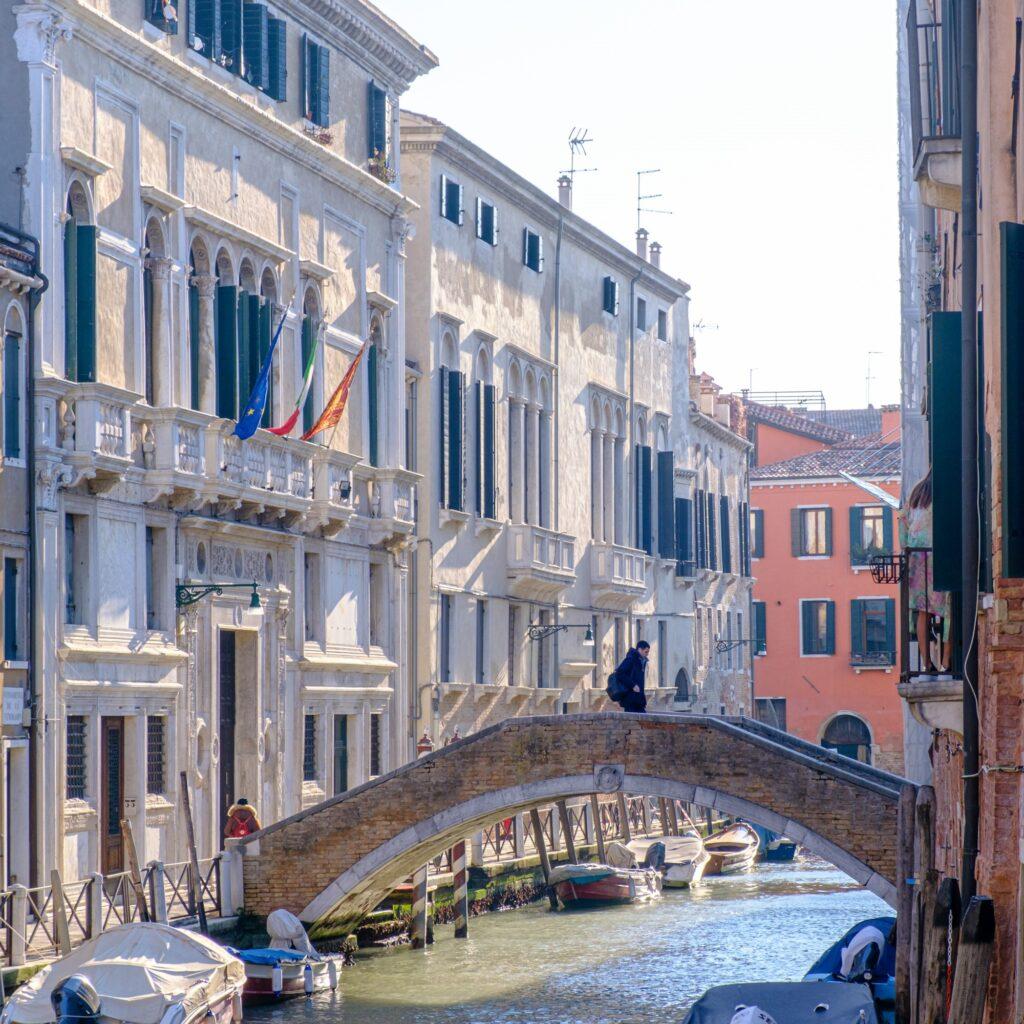
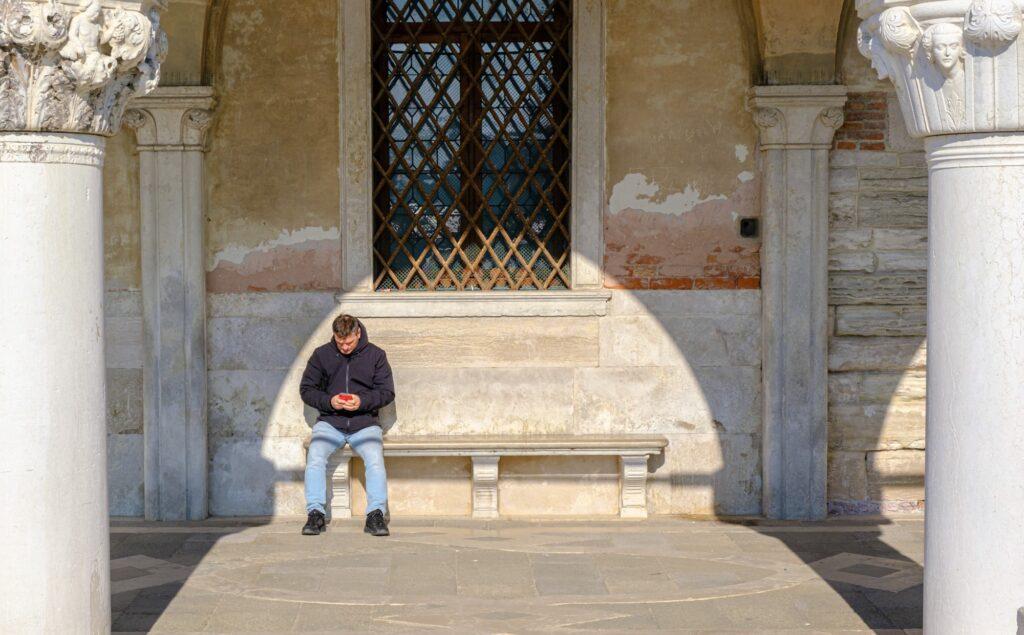
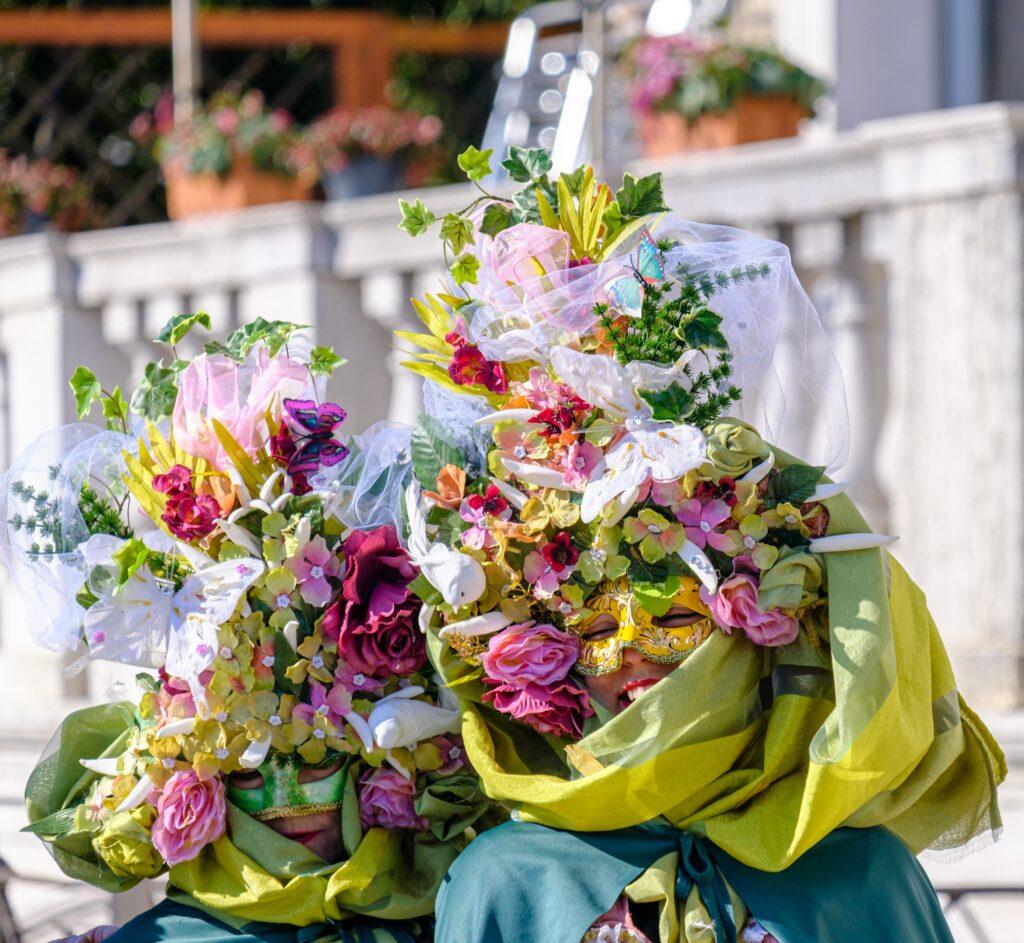
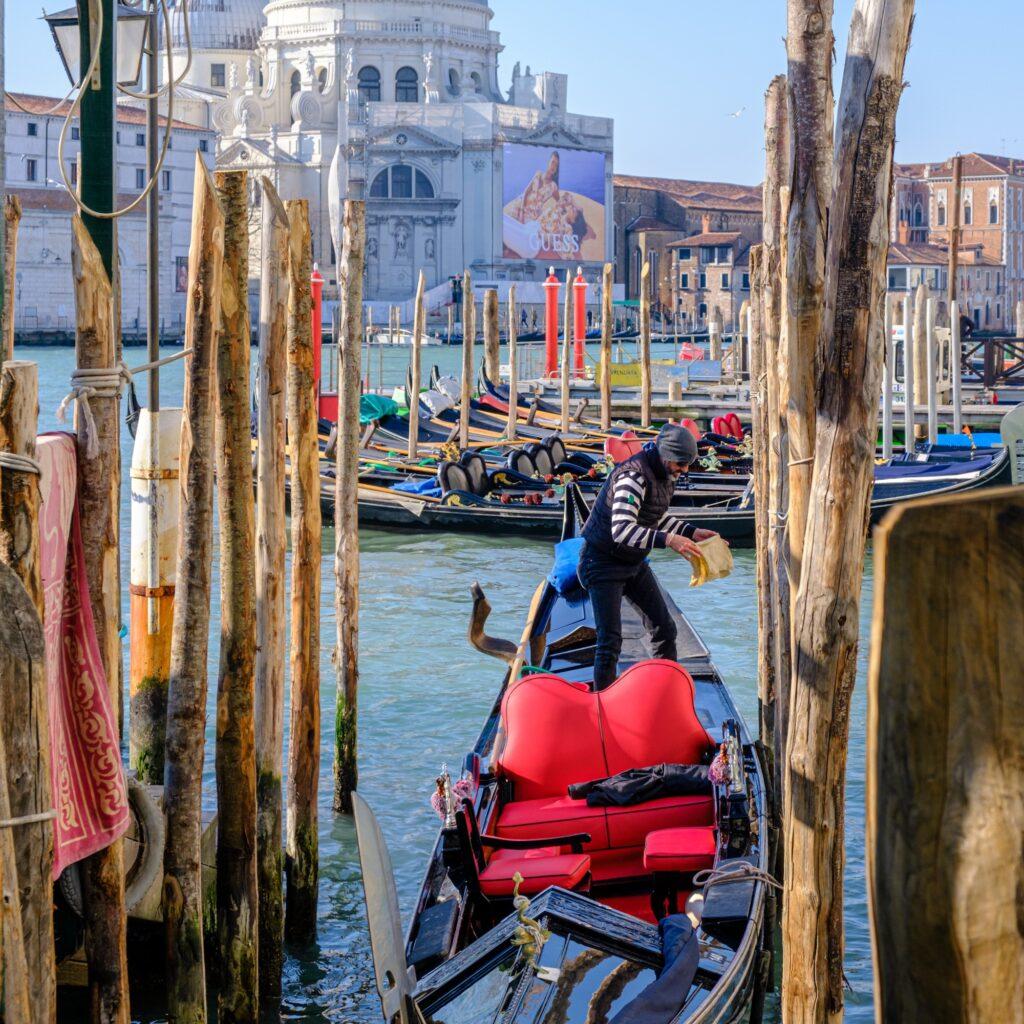
In the end, I kept the title People. Bridges. Masks.
Not only because it describes the photos I took, but because it also reflects the subjects I’ve been wrestling with lately.
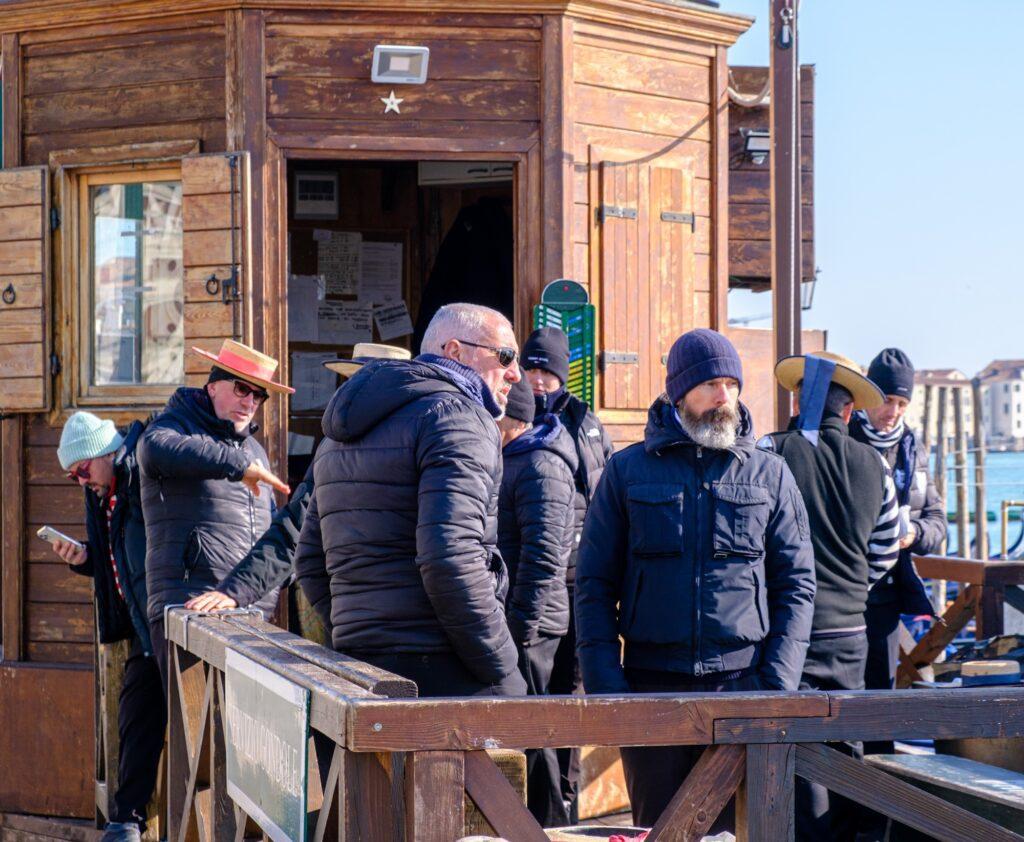
I had an amazing time in Venice.
I took more than 1,600 photographs — more than I had taken in my previous four trips combined, except for Tenerife.
And most importantly, I had time to relax and think.
I had my new Fujifilm X-S10 with me, and I must admit it:
I love this camera.
For Venice, I relied on two older lenses:
• the 18–55mm
• the 55–200mm
Many people swear by the 16–55 or rush to buy the 70–300, but I still believe these older, cheaper lenses have a lot left to give.
Looking at my images from Venice and Burano, I realized I could easily have used JPEGs with only a little adjustment.
Yes — the colors are that good.
The real reason I didn’t rely only on JPEGs was not color quality, but framing.
During Carnival, Venice becomes extremely crowded.
I wanted to take photographs, but I also wanted to enjoy the city. Have an Aperol. Eat a cookie. Walk freely.
I did not want to stand around for hours waiting for everything to become technically perfect.
So I worked fast.
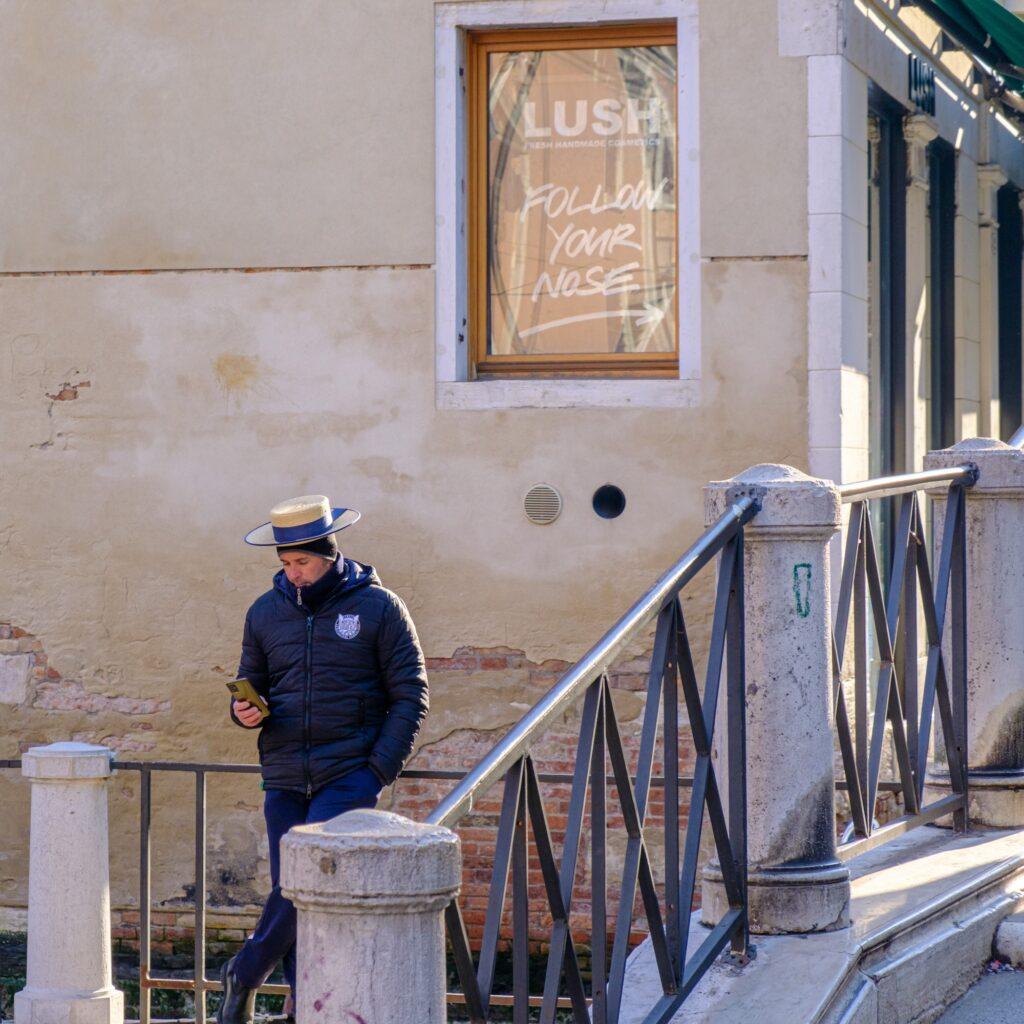
I kept a shutter speed around 1/300, chose my aperture, left the ISO on AUTO, and reacted quickly whenever I saw an opportunity: one person crossing a bridge, a single masked figure, an isolated gesture.
The city had many zones of heavy contrast, and moving constantly from light to shadow gave me no time to meter everything perfectly.
But when I looked at the images afterward, I felt something I had not felt in a long time.
I felt happy. Not just satisfied. Not “okay with them.” Happy.
This was the first trip where I edited more than 140 photographs.
I never do that. Usually, I barely keep 25 from a trip. But here, I really enjoyed taking pictures. I liked them.
And I think that is the most important thing.
Not whether they would win something. Not whether they would get huge reactions online.
But the fact that I liked them.
That I came home not angry that I had failed to bring back a gold-medal image.
But simply grateful that I had walked more than 75,000 steps in three days, spent time with the woman I love, carried the X-S10 on my wrist, and enjoyed photography again.
Just photography.
Life Doesn’t Have to Suck
I didn’t plan to end the article like this, but I think it connects perfectly to the first sentence.
Life sucks. And then you die.
My friend was wrong all along.
Life can be beautiful. Life can surprise you. Life can be hard, absurd, frustrating and exhausting — but also deeply meaningful.
Our job is not to let it become only suffering.
A small trip with the person I love and more than a handful of photographs proved that to me.
Even now, lying lazily in bed and writing this article, I realize how lucky I am to have what I have.
Yes, one day we will all be gone.
That is not the important part.
What matters is how we live. How much joy we allow into our lives. And how much joy we can give to others.
Fără comentarii