

10 mart. When Creativity Takes a Break — Photography Burnout, Pressure and Finding Your Way Back
Life is funny.
I think I had already started another article like this but hear me out.
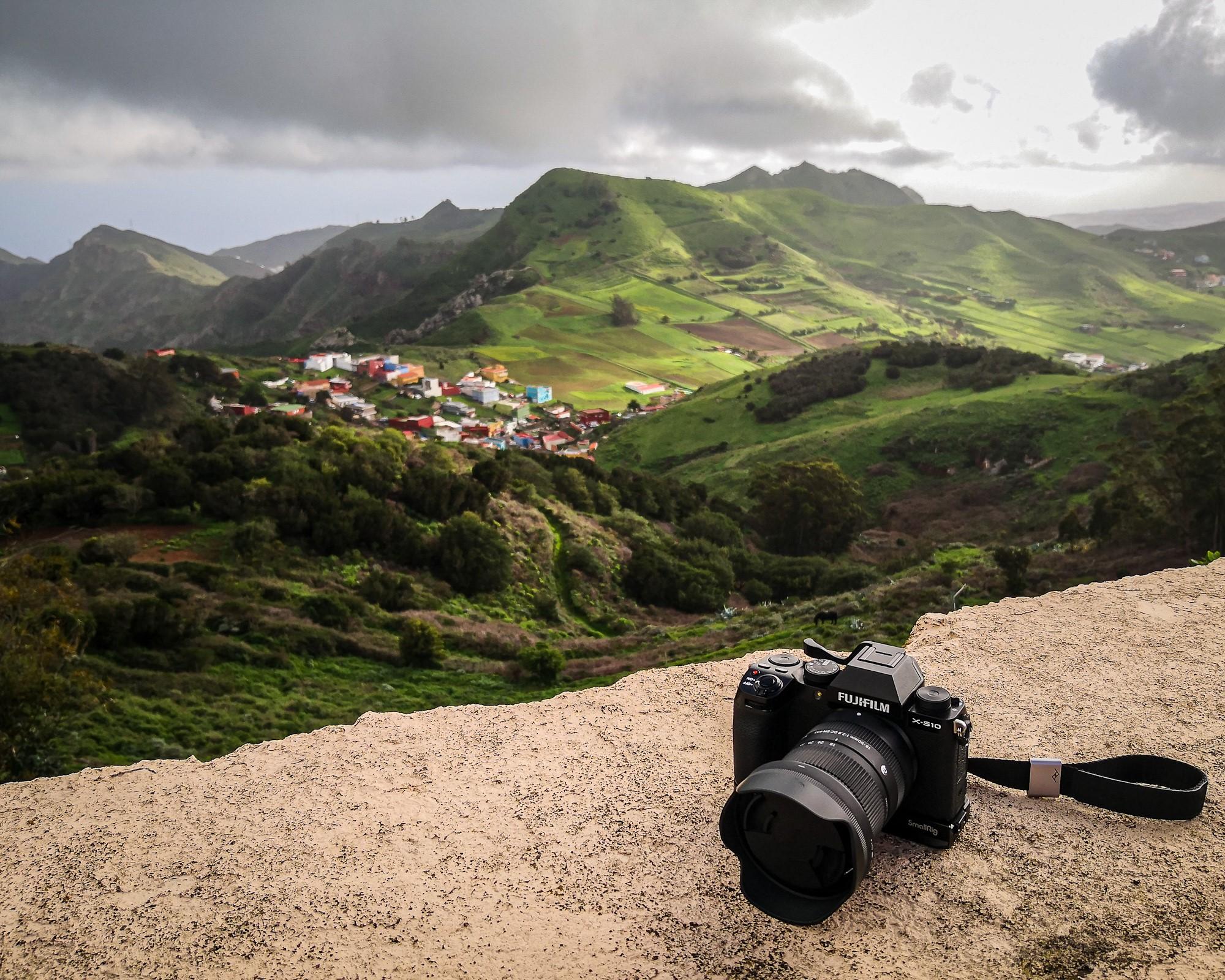
In the middle of writing a different piece about my Fujifilm experience after 51 months of use, something suddenly hit me.
I was writing about my whole Fuji journey, my newly bought camera, a trip to Tenerife, and then… BAM.
It hit me.
I am not as good a photographer as I sometimes think I am.
Let me say that differently.
More often than I want to admit, my photographs don’t live up to my expectations.
More often than I want to admit, I take a picture, get home, study it carefully, and start thinking:
Why did I frame it like this?
How did I not notice that thing sticking out?
How did I miss that better subject?
Why, why, why?
You get the picture.
And then I look at my girlfriend’s photographs.
They are completely different from mine.
And of course that’s normal. We are different people. We see the world differently. We are influenced by different things, people and moments.
But beyond all those differences, one thing became very clear to me.
We frame the world differently.
I look for the big picture.
The large scene.
The dramatic print.
She looks for details, unusual angles, small joys hidden in corners.
She bends, twists, raises her phone, experiments constantly.
I go for the “money shot.”
The safe bet.
And honestly, I think that has been holding my photography back for quite some time.
When Photography Was More Instinctive
When I first picked up a decent camera — a Sony A6300 — I knew almost nothing.
No technical details. No rule of thirds. No horizon line obsession. No groups of three. No leading lines.
On my first trips, I didn’t even really know how to change focus properly.
Everything was on AUTO.
So how is it possible that I still came home with so many keepers?
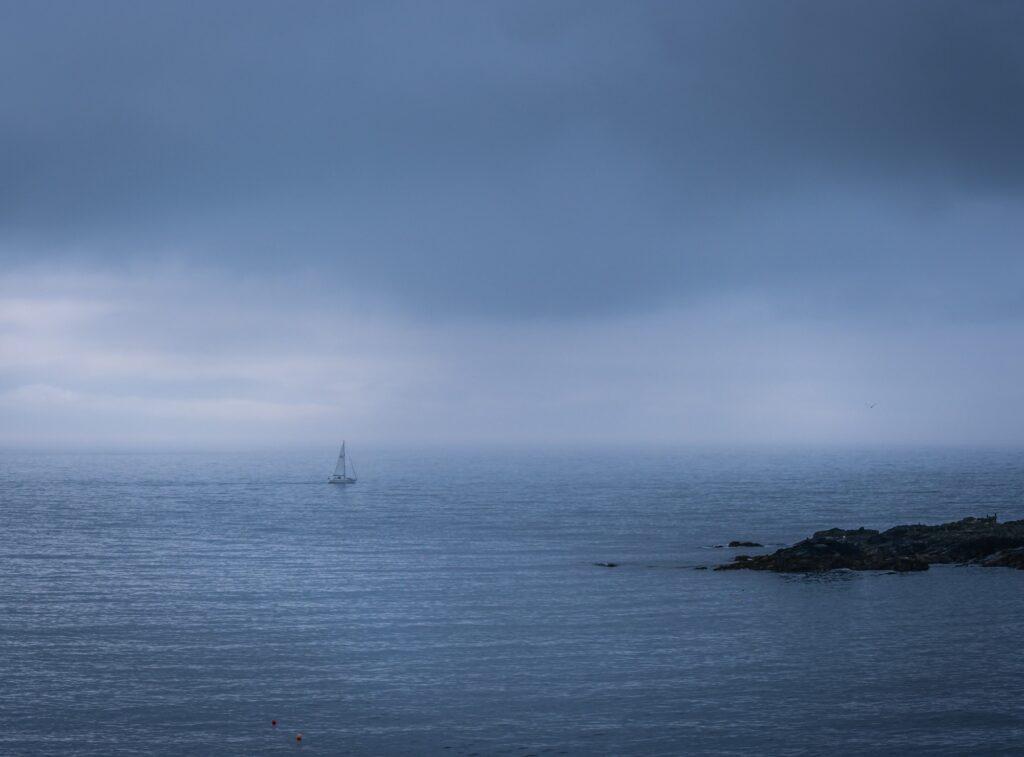
How is it possible that, after years of reading, studying and practicing photography, I still haven’t produced a picture that has brought me more medals, more prizes, more joy than a simple image I took on an ordinary trip in England?
After thinking about that for a long time, I came up with a clue.
Back then, I photographed what I liked.
I photographed what I thought looked good.
I didn’t know much about rules, so I simply took the photograph in the way that felt right to me.
That was my style. That was how I saw the world.
Of course, in the years since, I could have used all the knowledge from books, workshops and courses to refine my style and make it richer.
But in some ways, I think I didn’t.
I think what happened instead was that my own voice started to get strangled by too many rules.
My creativity got buried under shutter speeds, ISO values, aperture calculations, composition rules and endless technical thinking.
Instead of leaving the lens at f/11 like I did once, or leaving the camera on AUTO like I did during my first trips, or simply using one focal length and sticking to it, I complicated everything.
Now I shoot manual all the time.
My fingers are always moving on the dials.
Always searching for perfect exposure, perfect framing, perfect focal length.
But instead of lifting the camera to my eye and photographing what I genuinely like, my mind keeps asking questions.
And unfortunately, not always the right ones.
Should I crop more? Should I crop less? Should I use a filter? Should I expose to the right? Should I make that line lead toward the subject? Should I… should I… should I…
At some point, that obsession with getting everything perfect in-camera starts becoming a problem.
The Need to Relax Technically
The truth is simple.
Almost every camera made after 2012 can recover shadows, save highlights, tolerate a crop and survive some degree of manipulation in post-processing.
RAW files from Fuji, Nikon, Sony — they all give us more flexibility than we sometimes admit.
So why do I keep stressing so much about technical perfection before pressing the shutter?
Why do I worry so much about exposure, framing and sharpness instead of focusing on the actual scene?
Why do I fill my mind with numbers, formulas and depth-of-field calculations instead of reacting to what I feel?
Why have I become so obsessed with front-to-back sharpness when real life itself is often not perfectly sharp because of haze, weather, distance and atmosphere?
These are the kinds of questions that made me realize something simple:
my creativity had taken a hit.
And after thinking about it for a long time, I came up with a few reasons why.
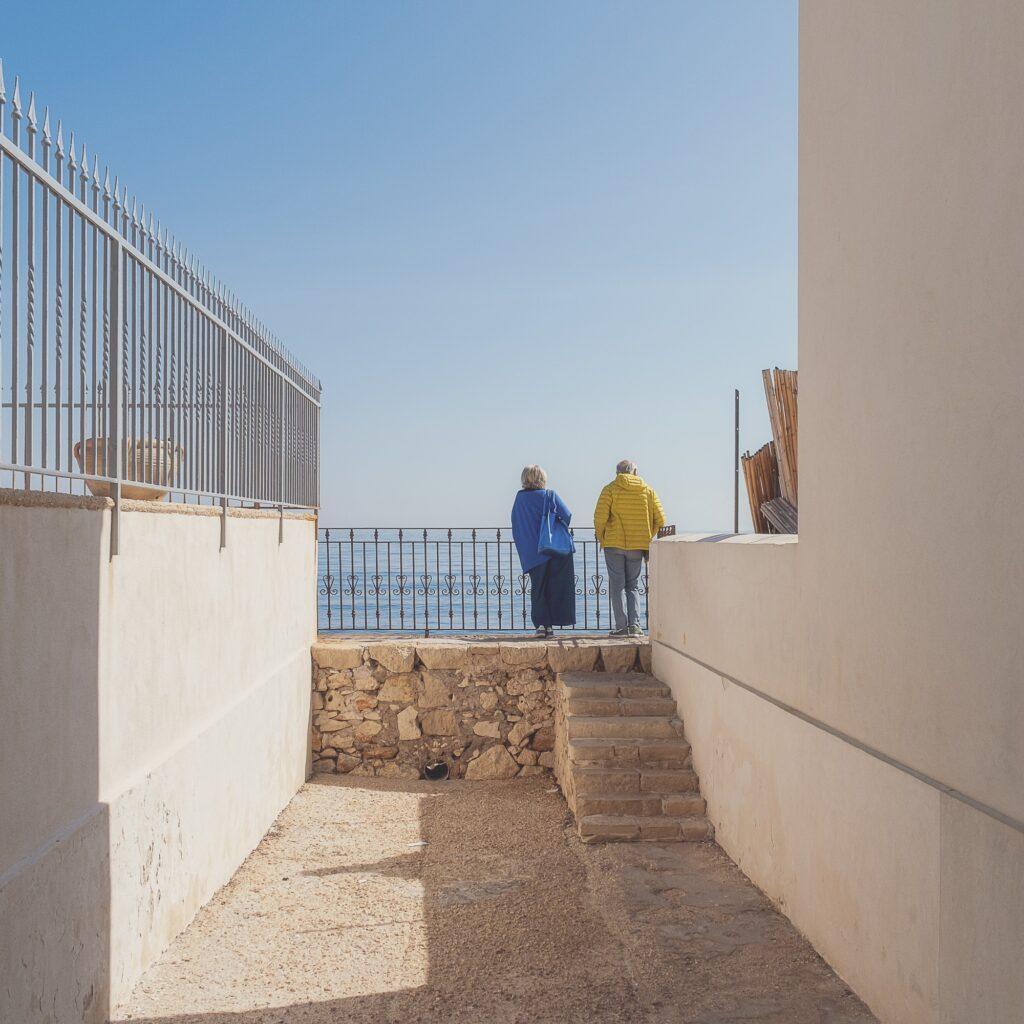
1. I Started Looking Only for Big Scenes
At some point, I stopped enjoying the little things.
A bicycle tied to a lamppost started to feel too insignificant, too ordinary, too unworthy of pulling my camera out.
A row of balconies with a palm tree? Too easy. Too boring. Too common.
In the search for the “great image,” I disconnected from the small things that make up real life. The beautiful detail. The ugly corner. The texture of things. The quiet moments.
I started analyzing scenes too much before even photographing them.
I would look at something and immediately decide whether it was a keeper or not — instead of simply taking the photo.
And in the process of searching for large, dramatic scenes, I think I missed countless smaller moments that mattered more.
Photographing the moon through palm leaves may be an overdone idea.
But it’s my moon and my palm tree.
I was there in that moment.
Not a million other people somewhere else.
And maybe that matters more than originality for originality’s sake.
At one point I realized something that annoyed me deeply.
I had written elsewhere that I only took over 400 pictures during a week in Tuscany.
And when I read that sentence now, it just irritates me.
Why?
Because digital is free.
I could have taken thousands of pictures and it would not have cost me anything.
Yet I came home with 400?
That felt stupid. Too controlled. Too limited. Too cautious.
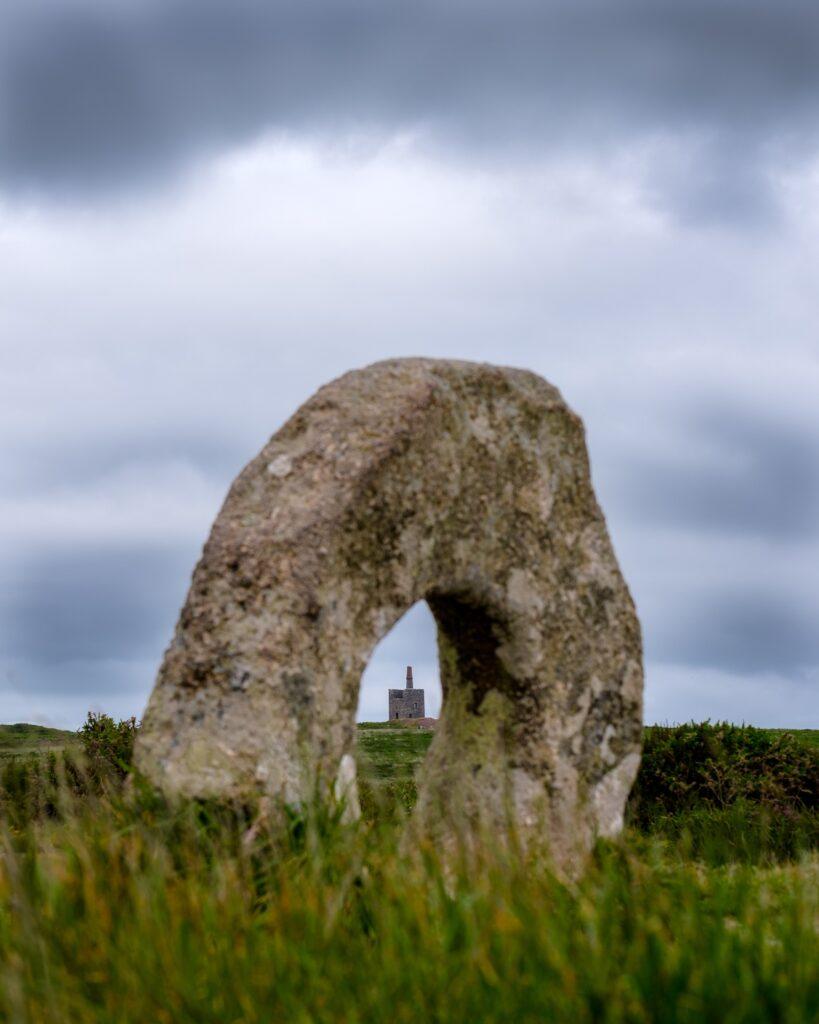
2. Too Many Third-Party Experts
For a long time, I sent my photographs to professional critique sessions.
And I still think feedback can be useful.
But beyond a certain point, too much external critique can start holding you back.
The pressure to compose the “perfect” frame, the fear of clipping blacks, the obsession with histogram balance — these things can begin to suffocate the emotional truth of an image.
I remember sending a picture to a critique session and hearing:
“Well, it is lovely, but the blacks are clipped a bit and the exposure is not reaching both ends of the histogram.”
And I remember thinking:
“It’s a storm. I wanted it to look like this.”
I deliberately deepened the blacks in editing because I wanted darkness, mood, atmosphere.
So what exactly is a perfect histogram?
Is it more important than feeling? More important than mood? More important than intention?
Sometimes, I think we become so obsessed with what a photograph is supposed to look like that we forget to ask what it is trying to say.
3. Too Much Gear
When all I had was one 16mm lens on my Sony, my pictures had a certain consistency.
I knew that focal length inside out.
I saw the world in 24mm equivalent.
Everything around me started to look like a possible frame in that language.
But now, with multiple lenses covering 15mm to 300mm, I often feel more paralyzed than free.
Should I stay here and zoom? Should I move closer? Should I switch lenses? Should I use the wide one?
Too many options can kill instinct.
Sometimes, one option is better than a thousand.
I truly feel that by relying too much on zooms lately, my visual style has suffered.
If all you have is a 50mm, you start seeing the world in 50mm.
You notice pictures everywhere in that focal length.
But when you reach a scene and spend too much time wondering which lens to pull out, the photograph is often already gone.
4. Pressure to Perform
And this is probably the biggest one.
Even if very few of us become the next Ansel Adams or Annie Leibovitz, once you start getting recognition, pressure appears.
It is basic human nature.
Once you get an award, publish an article, get paid for a shoot, or receive a lot of attention for a photo, the questions begin:
Will I be able to top this? Will I write another strong article? Will I take an even better photo next time? Will people like my next Instagram post as much as the previous one?
And then, instinctively, you stop looking for honest moments and start looking only for “great” images.
Big scenes. Great everything.
The type of image that might outdo your last success.
And that pressure can destroy a lot of joy.
People think only professionals deal with this.
That’s not true.
I am far from being a full-time professional, and I still feel it.
Maybe because I am very competitive by nature.
All my life, once I started something, I went all in.
I pushed harder.
Sometimes that can be a good thing.
But many times, it leaves you exhausted and ready to quit.
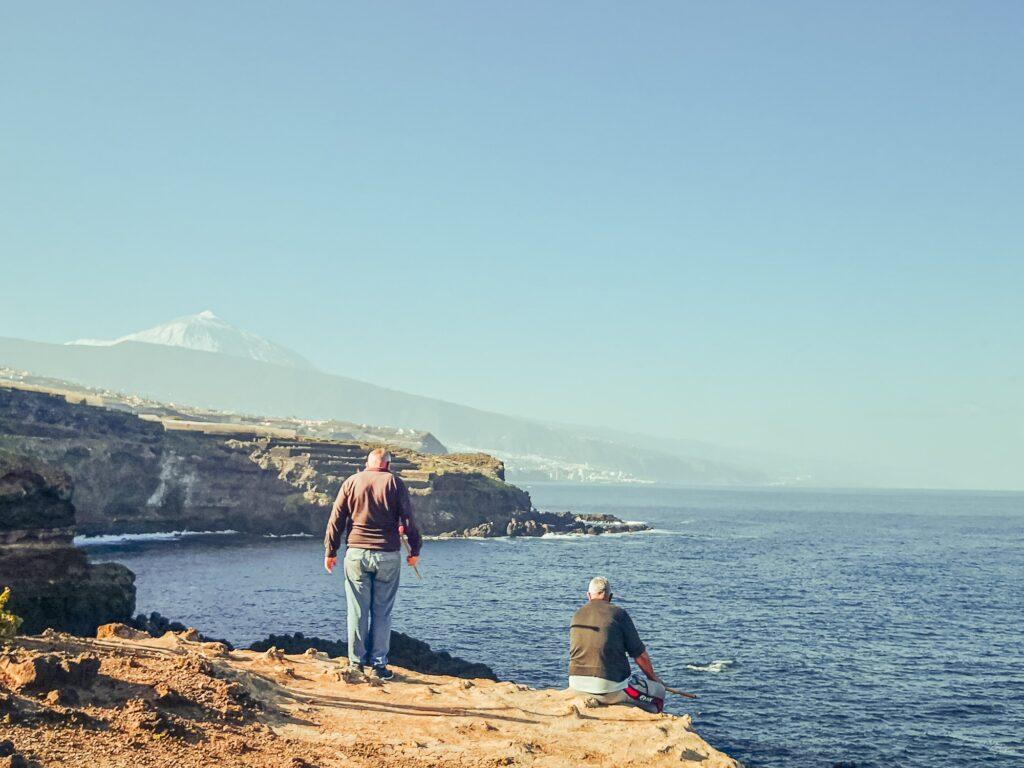
When Photography Starts Feeling Like an Injury
Everybody knows I love sports photography.
And I’m proud of what I managed to build in that area.
In a relatively short time, I went from photographing school competitions and asking small clubs for access to covering ski jumping World Cup events, rugby and handball competitions, UEFA Nations League matches and football players for FIFA-related content.
That kind of growth comes with enormous pressure.
Because let’s be honest:
I started photography late. I am not young.
I feel I have to work harder than others to get noticed in circles where people have been present for years.
And that takes a toll.
I have a demanding job.
I try to deliver better results.
I try to keep photography clients happy.
And at the same time, every time I lift the camera, I try to top myself.
That tires me.
It tires me so much that in January, for example, I didn’t touch the camera at all.
People asked me to shoot games, portraits, events.
People checked if I was okay.
The simple truth was that I just wasn’t feeling it.
I had no inspiration left.
No desire to lift the camera and press the shutter.
I needed to relax.
To get rid of stress.
To recover something.
I lost contracts.
I lost money.
I missed important games.
And even after a wonderful week in Tenerife, I still don’t feel fully ready.
I don’t know if the tiredness shows in the photos I took there.
But I know I’m not back yet.
And strangely, I’m okay admitting that.
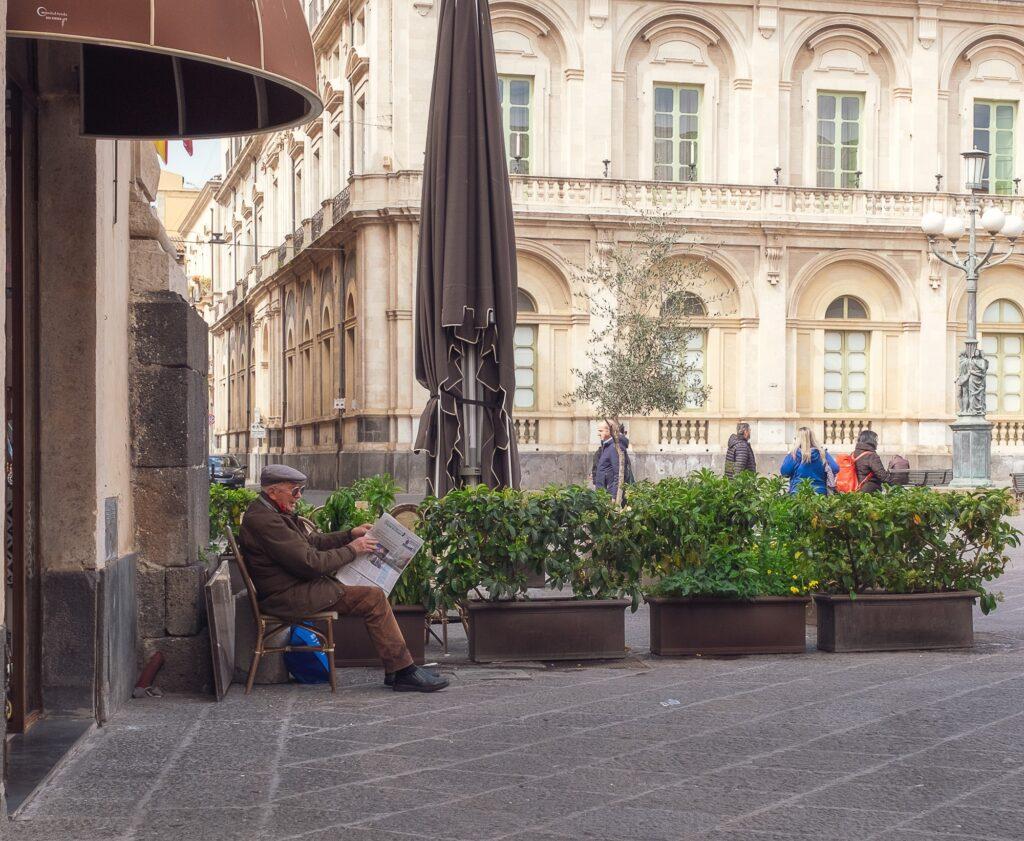
Knowing When to Stop
To understand how tired I was, think about this:
I spent a week in Tenerife — one of the most beautiful places in Europe for landscape and night photography — and I did not go out once at night to photograph the sky.
Not once.
After walking 14,000 to 19,000 steps a day and driving from one location to another, I fell asleep at hours I hadn’t gone to sleep since childhood.
Am I sorry?
Not really.
Would I have liked to photograph more?
Maybe.
Could I actually have done it?
No.
And that matters.
There is always a line.
And when you cross that line — when your body and mind keep screaming “stop” and you continue pushing anyway — that is where the real problems begin.
Seven years ago, I made the same mistake in fitness.
I was in the best shape of my life.
Lean, strong, disciplined.
And still not satisfied.
So I pushed harder.
And I got more, yes — but not more muscle.
I got injuries.
I injured my elbow so badly that for six months I couldn’t even lift a half-liter bottle of water.
Years later, it still hurts.
And it will never be the same.
I do not want that to happen to my photography.
I do not want to turn something I love into another permanent injury.
What I Need to Change
So I need to change things.
I need to change how I feel. How I see. How I photograph.
Not just to break this creative block, but to protect the thing I enjoy so much.
And I think the first thing I need to do is simple:
I need to start taking pictures for myself again.
To photograph what I like.
What I find interesting.
What feels right in the moment.
Without worrying about likes, contests, feedback or whether the image is “good enough.”
Maybe I’ll go back to AUTO for a while.
Maybe I’ll shoot JPEG only.
Maybe I’ll just make random images of things I notice.
One of my best Fuji photographs was an edited JPEG.
It got me published.
It brought me contest acceptances, awards and medals.
So yes, sometimes a simple JPEG is enough.
But more importantly, I think many of us need a reset from time to time.
Whether it comes from pressure, expectations, social media or the desire to keep posting one “banger” after another, sooner or later we all hit a wall.
And at that point, we either stay there and slowly lose our love for photography…
or we find a way to tear the wall down.
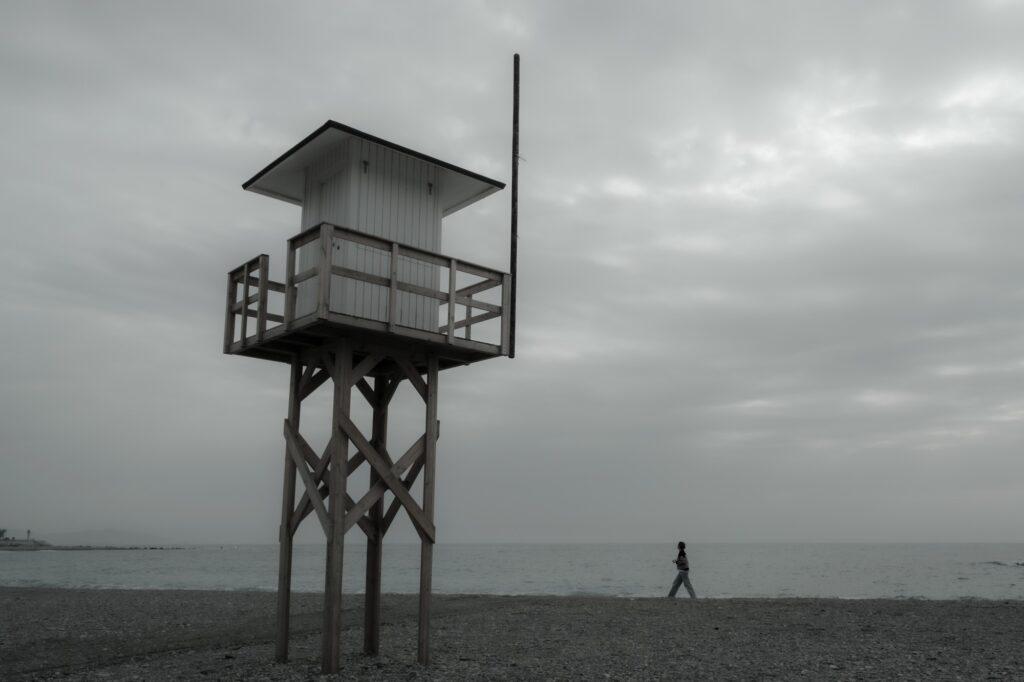
Healing Through Simplicity
For me, that healing process already started in Tenerife.
I know what I need to do now to reconnect with photography.
I need to see things differently again.
Approach them differently.
Take my Fuji cameras with me more often.
And photograph with less pressure and more instinct.
I’m actually excited about the next months, because for the first time in a while I feel that what I need is not more gear, not more technique and not more pressure.
What I need is more honesty. More play. More freedom.
Final Thoughts
Sometimes creativity takes a break.
Sometimes photography needs silence.
Sometimes the best thing you can do is not to push harder, but to step back.
To rest.
To shoot without expectations again.
To remember why you started.
And maybe that is the most important lesson of all.
Not how to become better technically.
But how to protect the joy that made you pick up a camera in the first place.
Fără comentarii