

13 mart. The Next Picasso – How Viral Fame Redefines Art and Excellence
Are we so bored with our lives, so unhappy, that we need to find refuge in people who “make it”?
Superhumans who seem to have it all figured out while we are just getting by?
Does every little thing have to be the best?
The best view.
The best car.
The best way to earn money.
When did we decide there was no point in trying for ourselves — that we needed someone to idolize because we cannot stand the thought of our own ordinariness?
I’m not talking about Spiderman or The Hulk.
I’m talking about social media sensations.
A seven-year-old photographer.
A three-year-old painter.
A twelve-year-old singer.
Every time one of these child prodigies appears online, people lose their minds.
“Oh my God, have you seen the five-year-old painter? You could swear he’s Picasso!”
And honestly?
That burns me up inside.
When Viral Fame Replaces Real Judgment
It’s not just that someone discovered a talented young kid or that the internet made them famous overnight.
It’s that people no longer seem to know what real art even is.
They get excited about anything because it’s trending.
But that’s not even the part that gets to me most.
What really hurts is the desperate need to compare every small, mediocre achievement to the work of timeless masters.
I write articles and books, but I don’t pretend to be Gabriel García Márquez or Steinbeck — two of my favorite writers.
I take pictures, but I don’t pretend to be Ansel Adams or Cartier-Bresson.
I know who I am.
I know where I stand.
So how do these internet sensations keep appearing, and why do we suddenly decide that a child’s drawing makes them the next Picasso or Vermeer?
How can we throw around names like that so easily, as if they no longer mean anything?
Because when you have seen ten kids in the last twenty years called the “next Picasso,” where does that leave the real Picasso?
The master.
The genius.

What Happens When Everything Is Called Art?
Where does this end?
Where do we draw the line if everything can be called art?
In another article I wrote about why story matters more than perfect composition and how meaning often matters far more than technical perfection in photography.
Are the old masters so easily replaceable?
And what does that say about our own work?
Are we mediocre?
Decent?
Flat-out bad?
If everyone is waiting for the next Picasso or Shakespeare to appear on Instagram, then who is left to judge our work seriously?
Who do you trust to evaluate your pictures, your books, your poems, when all anyone wants is to applaud the next viral sensation?
That question stays with me more and more.
Because if every trend becomes genius, then genius itself starts to mean nothing.
Is Photography Dead?
When people say “photography is dead,” what do they actually mean?
Many photographers believe the problem is not photography itself but what I previously called the gear trap photography, where equipment and trends start to matter more than vision
And is it dead because we killed it?
Because we liked and shared so many easy, boring, plain images that we drowned out real work?
Think about it.
Is it partly our fault that mediocre photographers have hundreds of thousands of followers?
Today anyone can publish images instantly online, which raises the question many photographers ask: do you really need a camera anymore to create meaningful photographs?
We leave empty compliments under poor photographs, hoping someone will return the favor?
We created a loop where mediocrity thrives because we gave it an audience.
And now we are trapped inside it.
Some people may say I’m mean.
Or jealous.
Or bitter.
Maybe.
Maybe my pictures are not that good.
Maybe I am bitter.
But what if I’m also a little right?
What if we are the ones who helped create this mess, and now we are simply living with the consequences?
By liking mediocre pictures, we encouraged people to keep making more of the same.
We watched bad movies with laughable plots because we were too tired after work to focus on anything better.
We called bad writing “genius” because we were bored — or because we were too afraid to admit we no longer know what real genius looks like.
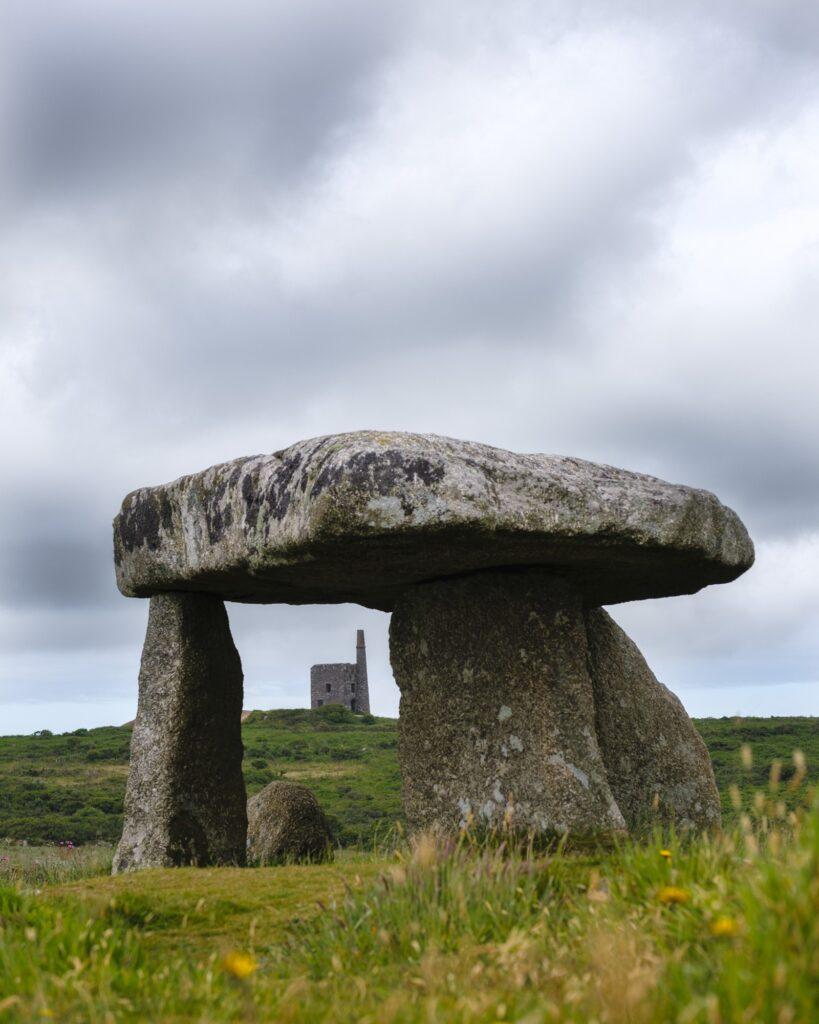
The Rise of False Idols
And now we have created these heroes.
These false idols.
Better athletes.
Stronger athletes.
Enhanced humans.
Child geniuses who can do everything.
Another Picasso.
Another Proust.
Another Mozart.
But what if this doesn’t inspire us?
What if it simply makes us feel worse?
I’m 43 years old, and I’m not a millionaire.
I can’t dance.
I can’t sing.
I can’t write poetry.
I can’t paint.
I’m not a bodybuilder.
I can’t run fast.
I can’t do anything “amazing.”
So how small am I supposed to feel compared to these superhumans who seem to get everything right — some of them from the age of three?
And yes, I know the saying:
“Your only competition is you.”
But that’s a lie, isn’t it?
When you submit your pictures to a contest, you are not your competition.
When you work a job, you are not your competition.
When you compete in sports, you are judged against others, not against your personal improvement.
You cannot step onto a bodybuilding stage and say, “Well, I improved since last year, so I should win.”
That is not how the world works.
You know it.
And I know it.
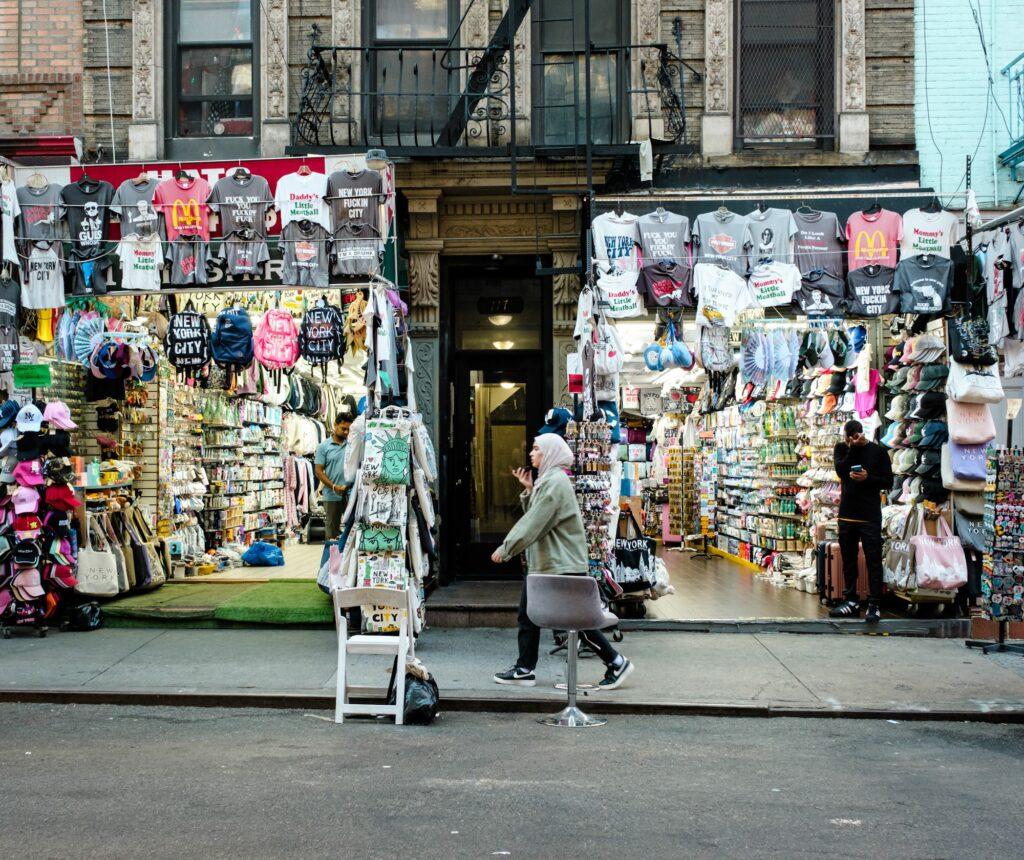
Why Do We Keep Making Life Harder?
So why do we keep creating superheroes out of nothing?
Why do we keep making our lives harder?
If a seven-year-old wins Photographer of the Year, how do you justify your prices to a client?
If a child can do it, then how hard can it be?
That’s the logic people absorb without even realizing it.
And that logic hurts everyone who has spent years trying to build something slowly, honestly, seriously.
It cheapens effort.
It cheapens discipline.
It cheapens the long years of learning that real work requires.
Why Can’t We Judge Things Properly?
Why can’t we judge things for what they really are?
Why do we need to create artificial winners and artificial heroes?
Why are we so desperate to label everything as extraordinary?
I look at all this and I wonder what it says about me.
I’ve poured my heart into my work.
I’ve stayed up late editing photographs.
Some of these lessons came after years of photographing and reflecting on my work, something I described in my reflections after six years with Fujifilm.
I wrote stories and tried to improve.
And then I see a child go viral with a snapshot and get called a genius.
Sometimes it makes me feel invisible.
I’m here doing the hard work, and it feels like I’m losing to mediocrity wrapped in a shiny package.
So where does that leave my work?
Where does it leave yours?
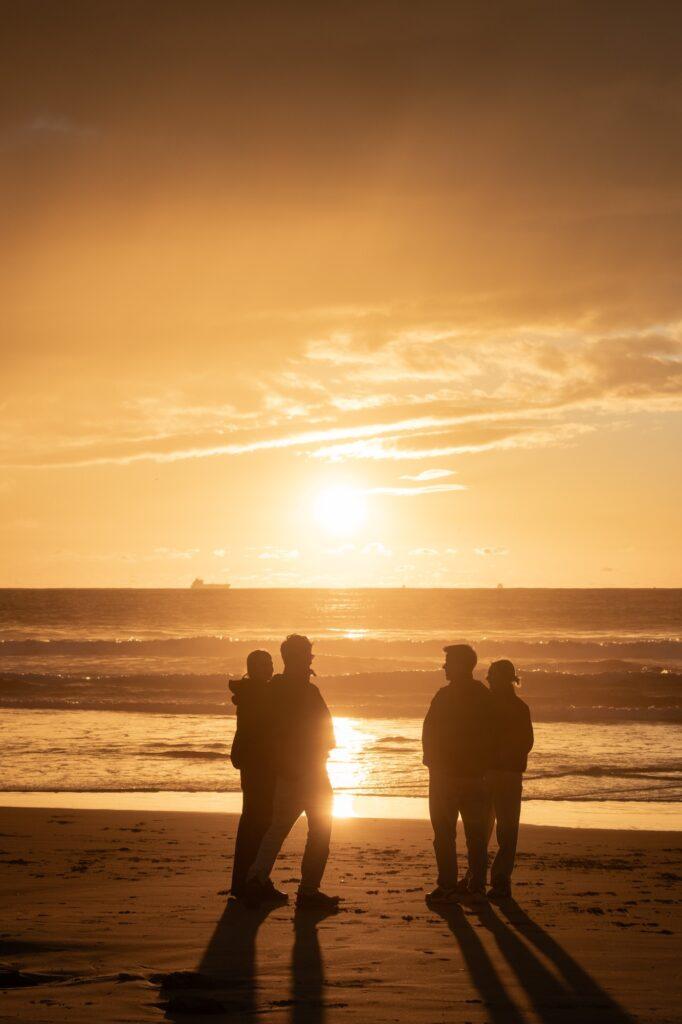
The Cost of Lowering Our Standards
The truth is that we have forgotten how to stop and appreciate things for what they are.
We have allowed social media, likes and shares to dictate what is worth our attention.
And in the process, we have lowered our standards.
Maybe we are afraid to be honest with ourselves.
Maybe we are afraid that if we stop applauding mediocrity, we will also have to admit that some of our own work is not as good as we want it to be.
But if we continue like this — if we keep turning mediocrity into genius — then we will never become our own heroes.
We will keep looking outside ourselves, desperately waiting for the next viral sensation, while our own potential slips quietly through our fingers.
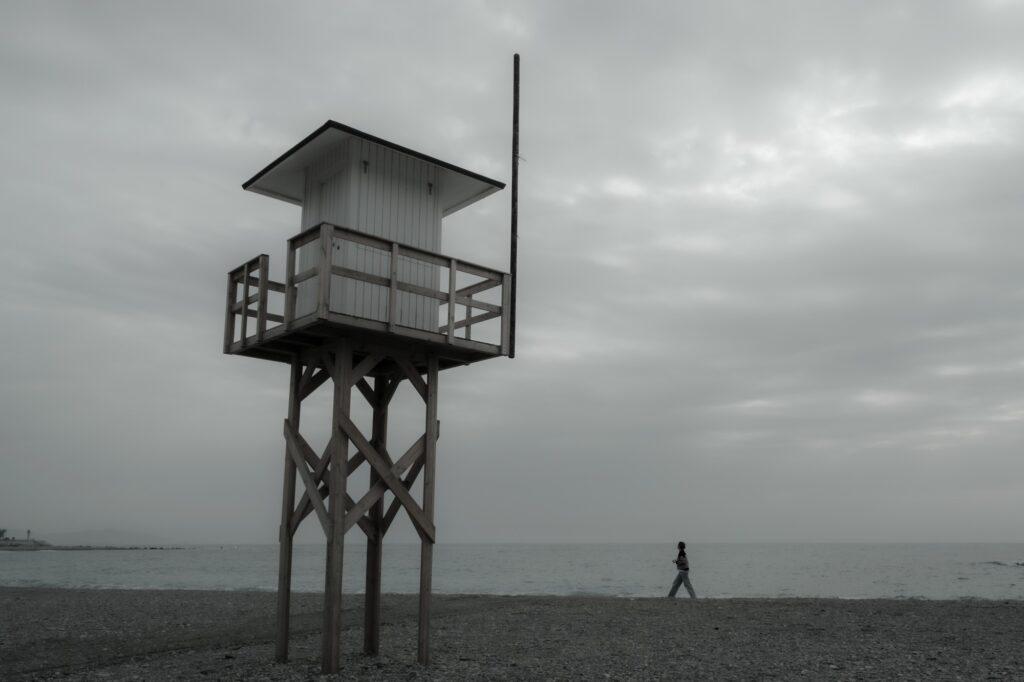
Final Thoughts
Maybe it’s not the social media stars I’m truly angry at.
Maybe it’s me.
Maybe I’m just tired of not being enough.
Maybe I’m tired of living in a world where attention matters more than depth.
Where virality matters more than discipline.
Where anything can be called art as long as enough people clap.
And maybe that is the real question behind all of this.
Not whether the next Picasso exists.
But whether we still know how to recognize greatness when we see it.
Because if we keep confusing noise with excellence, trends with art, and virality with genius, then the real loss is not just cultural.
It is personal.
It is the slow erosion of standards, meaning, and belief in the value of serious work.
And once that disappears, it becomes harder and harder to know where we stand — or why we create at all.
Fără comentarii